Flexible Screw Conveyor For Soybean Meal
Saturday March-07 2026 17:43:37
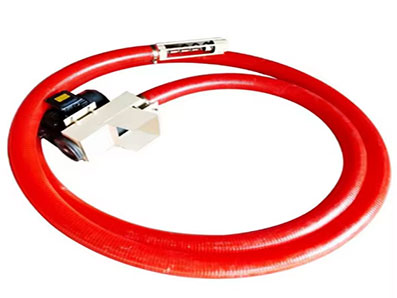
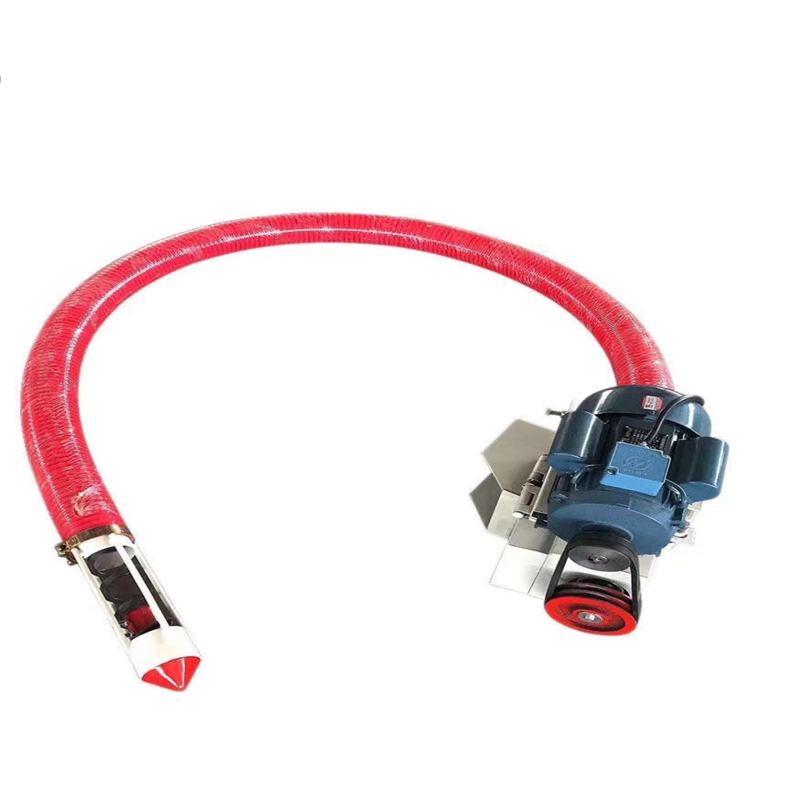
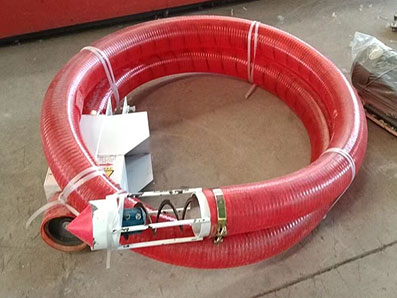
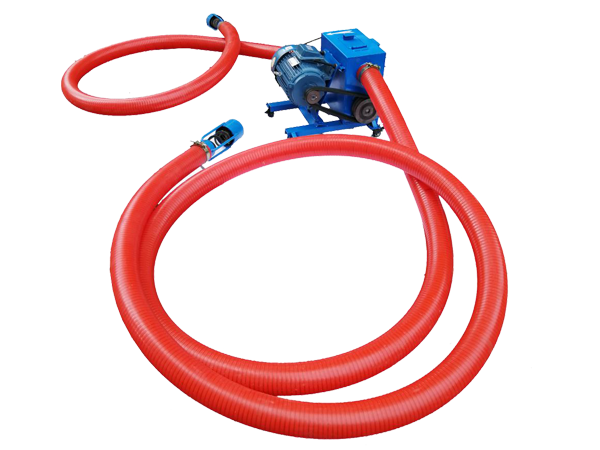
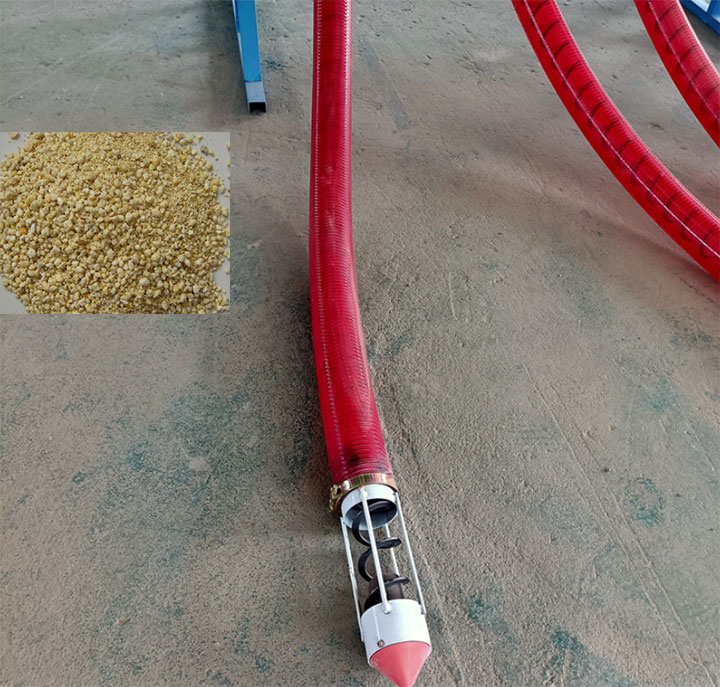
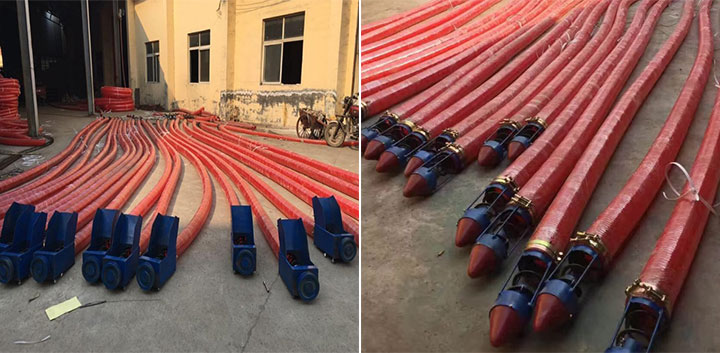
Flexible Screw Conveyor For Soybean Meal is used to transport powdery or granular materials such as soybean meal. It consists of three parts: a flexible polymer hose, typically made of polyurethane or PVC; a steel or stainless steel helical spring inside; and a drive motor. During operation, the motor drives the screw to rotate within the sealed hose, propelling the material forward along the pipe and out of the outlet.
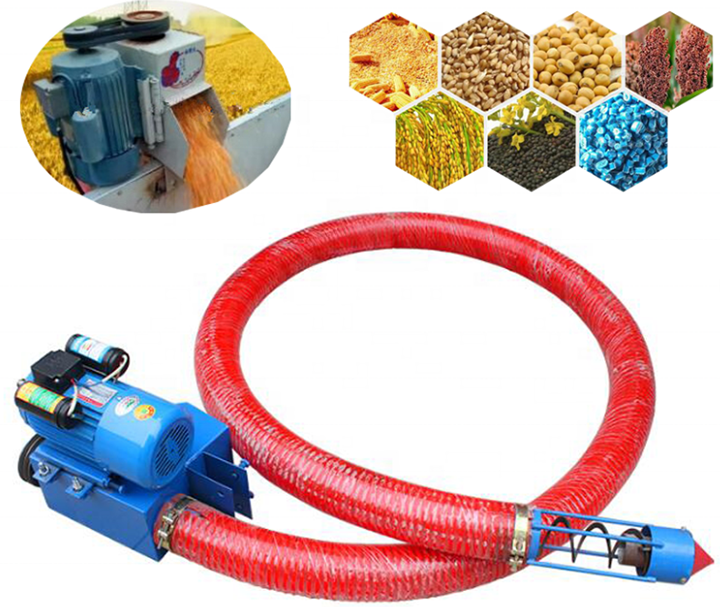
The flexible screw conveyor for soybean meal is highly flexible in its placement, capable of horizontal, inclined, and vertical transport, and can navigate around equipment and obstacles in the workshop. The conveying capacity varies depending on the hose diameter: a 100mm hose can convey 4 to 8 tons of soybean meal per hour, a 120mm hose 10 to 15 tons per hour, and a 160mm hose 10 to 20 tons per hour. The actual conveying capacity also depends on the transport distance and the state of the material itself.
Why is a Flexible Screw Conveyor for Soybean Meal Suitable?
Soybean meal is generally in powder or small granule form with moderate flowability. It can be processed at temperatures around 110℃, making a Flexible Screw Conveyor for Soybean Meal ideal for conveying it. This type of equipment has a fully sealed structure, preventing dust from escaping during transport, keeping the workshop clean, and protecting the soybean meal from moisture or contamination. Soybean meal is commonly used as feed and food ingredient, and it's desirable for the material to remain intact during transport. Flexible screw conveyors operate gently, resulting in a very low breakage rate—data shows it can be below 0.2%, producing minimal debris. Ordinary screw conveyors tend to break up the material when transporting soybean meal, and their blades wear out quickly. The design of the flexible screw conveyor avoids these problems.
How to Choose the Right Flexible Screw Conveyor for Soybean Meal?
When selecting a Flexible Screw Conveyor for Soybean Meal, four parameters need to be considered. Conveying capacity is the primary selection criterion. For capacities under 5 tons per hour, a 100mm pipe diameter is suitable; around 10 tons corresponds to a 120mm pipe diameter; and over 15 tons, a 160mm or larger pipe diameter should be considered. Regarding conveying distance and height, the horizontal conveying length is typically between 3-12 meters, and the vertical lifting height is generally 3-4 meters. Exceeding these ranges requires special design. For materials, stainless steel is recommended as the first choice. When conveying food-grade soybean meal, stainless steel is corrosion-resistant, easy to clean, and can withstand temperatures up to 149°C. The drive method should be selected based on the site's power supply conditions, choosing a single-phase, three-phase motor, or diesel engine with appropriate power.
Flexible Screw Conveyor for Soybean Meal Parameter Table
| Tube diameter | length | Voltage | Power | Effectiveness | Weight |
| 100mm | 3 m | 220V | 3KW | 5-6 t | 43kg |
| 100mm | 4m | 220V | 3KW | 5-6t | 47kg |
| 100mm | 5m | 220V | 3KW | 5-6t | 51kg |
| 100mm | 6m | 220V | 3KW | 5-6t | 55kg |
| 100mm | 7m | 220V | 3KW | 5-6t | 62kg |
| 100mm | 8m | 220V | 3KW | 5-6t | 66kg |
| 100mm | 9m | 220V | 3KW | 5-6t | 70kg |
| 100mm | 10m | 220V | 4KW | 5-6t | 74kg |
| 100mm | 11m | 380V | 4KW | 5-6t | 82kg |
| 100mm | 12m | 380V | 4KW | 5-6t | 86kg |
| 120mm | 3m | 220V | 3KW | 7-8t | 48kg |
| 120mm | 4m | 220V | 3KW | 7-8t | 52kg |
| 120mm | 5m | 220V | 3KW | 7-8t | 56kg |
| 120mm | 6m | 220V | 3KW | 7-8t | 60kg |
| 120mm | 7m | 220V | 4KW | 7-8t | 60kg |
| 120mm | 8m | 220V | 4KW | 7-8t | 71kg |
| 120mm | 9m | 220V | 4KW | 7-8t | 75kg |
| 120mm | 10m | 220V | 4KW | 7-8t | 79kg |
| 120mm | 11m | 380V | 4KW | 7-8t | 89kg |
| 120mm | 12m | 380V | 4KW | 7-8t | 93kg |
| 100mm | 20m | 380V | 7.5KW | 5-6t | 150kg |
| 100mm | 25m | 380V | 7.5KW | 5-6t | 170kg |
| 120mm | 20m | 380V | 7.5KW | 6-7t | 180kg |
| 120mm | 22m | 380V | 7.5KW | 6-7t | 200kg |
What are the advantages of the Flexible Screw Conveyor for Soybean Meal?
The Flexible Screw Conveyor for Soybean Meal offers several advantages over traditional equipment for soybean meal conveying. Its flexible hose can bend, allowing it to bypass columns and equipment in workshops and achieve multi-angle conveying in confined spaces, offering flexibility in layout. The conveying process is completed within a closed pipeline, preventing dust generated from soybean meal from leaking out, helping to maintain a clean working environment and reduce material loss. The equipment has a simple structure with few moving parts; routine maintenance only requires checking the wear of the screw. Cleaning can be performed by reversing the flow to empty the material or by quickly disassembling the screw for cleaning. Furthermore, this conveying system can achieve multi-point feeding and multi-point unloading, adapting to relatively complex production process layouts.
Applications of Flexible Screw Conveyor for Soybean Meal on Production Lines
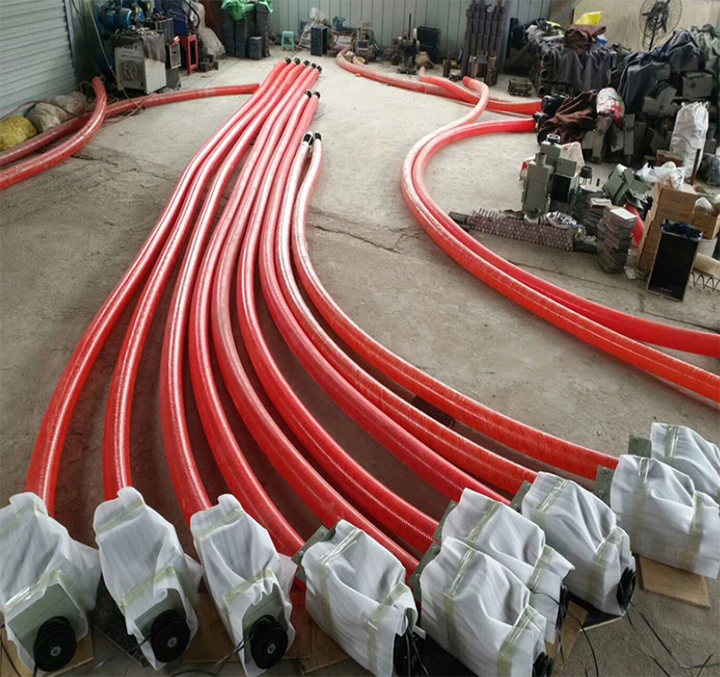
Flexible Screw Conveyor for Soybean Meal has many applications in soybean meal production lines. In feed processing plants, it can convey soybean meal from the raw material silo to the crusher, mixer, or pellet mill, completing material transfer between processes. Oil processing companies use it for the outflow of finished soybean meal, ensuring a continuous and stable flow of material from the bulk storage silo to the packaging section or loading vehicles. In batching systems, it functions as a feeder for loss-in-weight scales, controlling the amount of soybean meal added to meet feed formulation requirements. In food-grade soybean meal processing, the stainless steel conveyor with a quick-release design meets hygienic production conditions and reduces the possibility of cross-contamination between different batches of soybean meal.
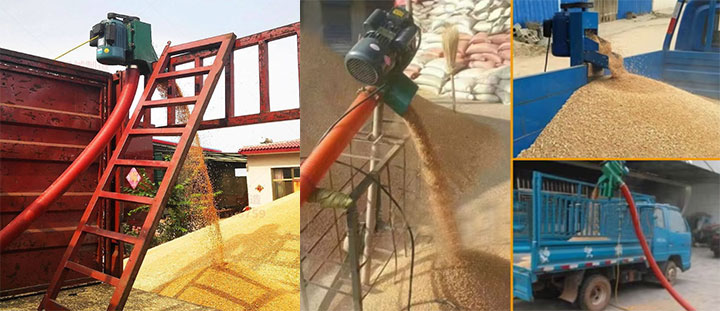
In soybean meal conveying operations, the Flexible Screw Conveyor for Soybean Meal features a simple structure, good sealing, flexible layout, and easy maintenance. It provides a clean conveying solution for feed production, oil processing, and food-grade applications. When selecting a model for a production line, the appropriate pipe diameter, material, and drive method can be matched based on the actual required conveying volume, conveying distance, and material temperature to obtain suitable conveying equipment.