Fodder Auger Feeder
Friday January-30 2026 16:22:35
Fodder Auger Feeder enables the quantitative conveying of powdered, granular, and broken feeds. The equipment can convey approximately 2 to 200 tons of feed per hour. Pipe diameters are available in 100mm, 160mm, 400mm, and 800mm; generally, larger pipe diameters result in higher rotation speeds and greater conveying capacity. The price varies depending on the configuration of individual components, typically ranging from $1100 to $4000.
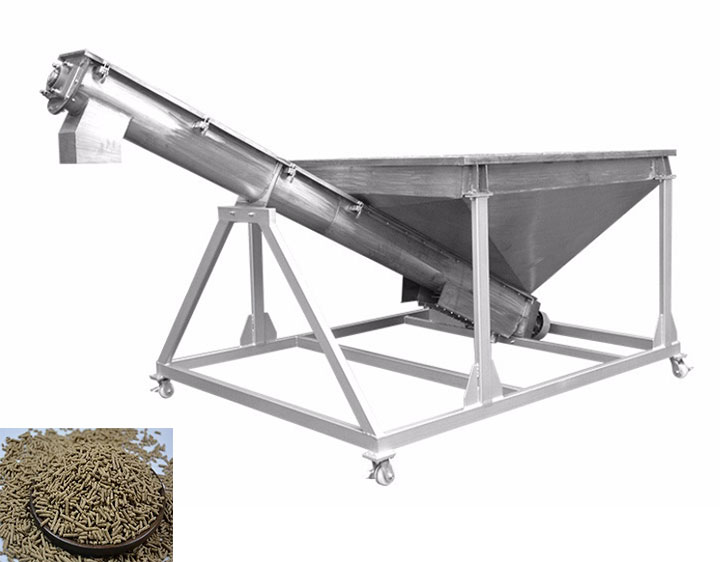
Fodder Auger Feeder Parts
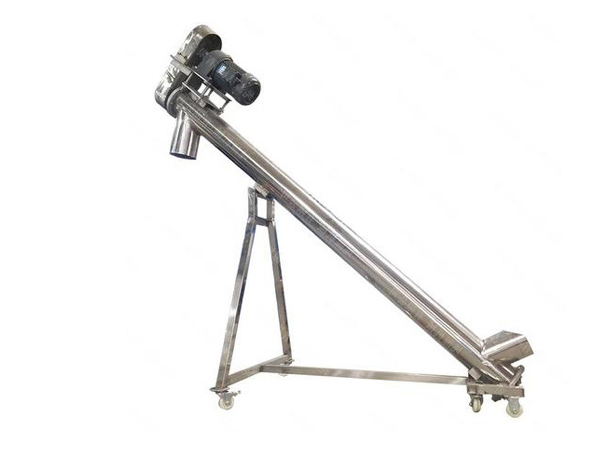
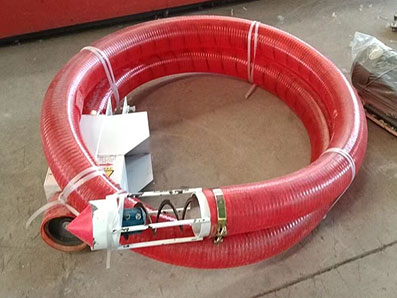
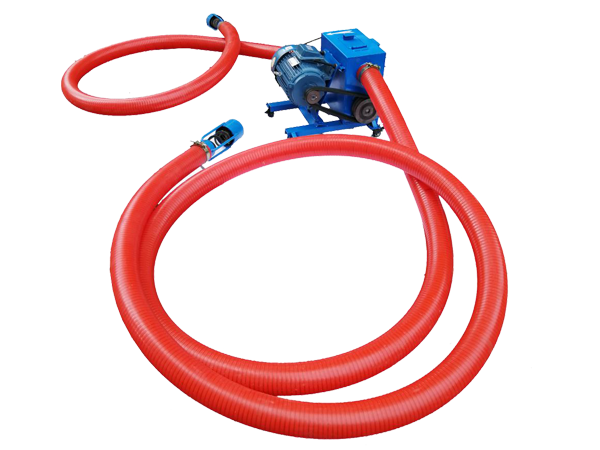
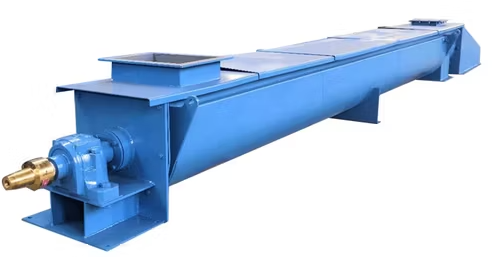
The Fodder Auger Feeder consists of a screw shaft, conveying pipe, drive unit, inlet and outlet ports, and a conical hopper. During operation, a motor at the bottom of the hopper powers the screw shaft, which rotates, continuously pushing the feed towards the outlet for final discharge.
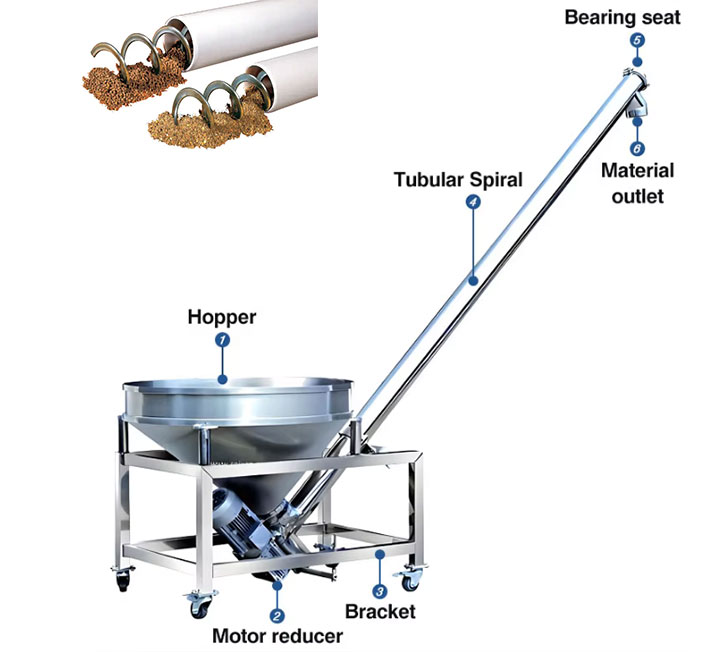
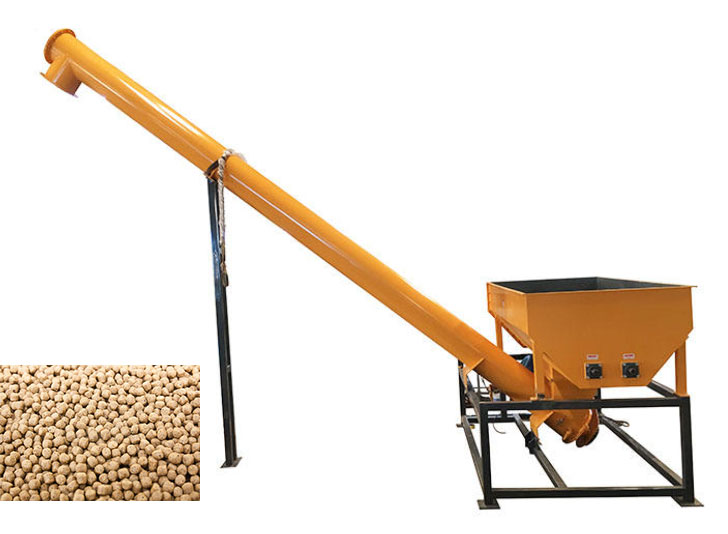
Fodder Auger Feeder Features
The equipment automatically conveys feed, reducing the time and labor spent on manual handling and unloading, thus increasing feed conveying efficiency. The Fodder Auger Feeder allows for adjustable rotation speed to control the feeding rate, resulting in more even delivery and preventing waste caused by overfeeding. The equipment minimizes feed damage during transport, maintaining the feed's round or elongated shape and preserving its nutritional value. Customizable pipe diameters from 50mm to 300mm, or pipe lengths from 1m to 50m, are available to meet the needs of small chicken houses, pig houses, or large feed mills.
Fodder Auger Feeder Specifications
| Model |
Diameter (mm) |
Pitch (mm) |
Rotating speed (r/min) |
Capacity (m³/h) |
Rotating speed (r/min) |
Capacity (m³/h) |
Rotating speed (r/min) |
Capacity (m³/h) |
Rotating speed (r/min) |
Capacity (m³/h) |
|
| Small | 100 | 100 | 100 | 140 | 2.2 | 112 | 1.7 | 90 | 1.4 | 71 | 1.1 |
| 125 | 125 | 125 | 125 | 3.8 | 100 | 3 | 80 | 2.4 | 63 | 1.9 | |
| 160 | 160 | 160 | 112 | 7.1 | 90 | 5.7 | 71 | 4.5 | 56 | 3.6 | |
| 200 | 200 | 200 | 100 | 12.4 | 80 | 9.9 | 63 | 7.8 | 50 | 6.2 | |
| Small | 250 | 250 | 250 | 90 | 21.8 | 71 | 17.2 | 56 | 13.6 | 45 | 10.9 |
| 315 | 315 | 315 | 80 | 38.8 | 63 | 30.5 | 50 | 24.2 | 40 | 13.4 | |
| 400 | 400 | 355 | 71 | 62.5 | 56 | 49.3 | 45 | 38.6 | 36 | 31.7 | |
| Large | 500 | 500 | 400 | 63 | 97.7 | 50 | 77.6 | 40 | 62 | 32 | 49.6 |
| 630 | 630 | 450 | 50 | 138.5 | 40 | 110.8 | 32 | 88.6 | 25 | 69.3 | |
| 800 | 800 | 500 | 40 | 198.5 | 32 | 158.8 | 25 | 124.1 | 20 | 99.3 | |
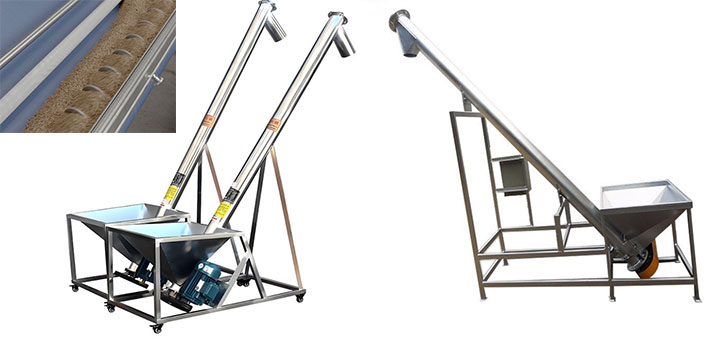
Fodder Auger Feeder for Sale
Fodder Auger Feeders are available at different price points. The basic carbon steel model, with a hopper capacity of 50-100 liters and basic speed control, typically costs between $1100 and $2000, suitable for farms with limited budgets and less stringent material requirements. For higher equipment requirements, stainless steel models are available. These are not only more corrosion-resistant and easier to clean, but also feature a variable frequency speed control system, allowing for adjustment and control of the feeding speed. These models typically cost between $1900 and $3100. The appropriate choice should be made based on the scale of your farm, your budget, and your desired level of automation.
Fodder Auger Feeder Case Study
A dairy farm faced problems such as low efficiency of manual feeding, significant feed waste, and uneven feed intake among the cows. They introduced a Fodder Auger Feeder system. This system connects to a mixing station; once started, the auger stably and continuously delivers the total mixed ration (TMR) to the feeding corridor. Its uniform rotation ensures that the feed does not separate during transport, resulting in a uniform nutrient composition. Through preset programs, different sections of the herd can be fed at specific times and quantities, enabling multi-segment feeding throughout the day. After implementation, feeding efficiency increased by 70%, labor costs decreased, and feed waste decreased by approximately 15%.
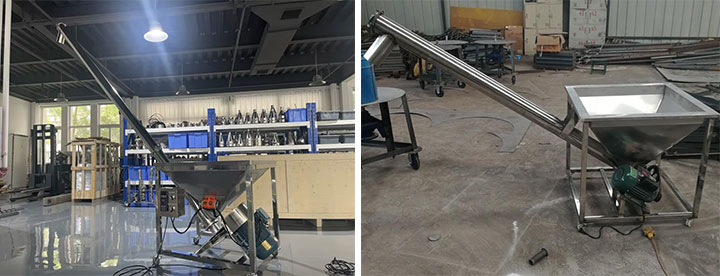
The use of the Fodder Auger Feeder improves the efficiency of feed delivery, packaging, and storage. In feed processing plants, crushed corn can be tilted and conveyed to the batching silo. The batched mixture can then be transferred from the mixer to the pellet mill, or the cooled pelleted feed can be transferred from the finished product silo to the packaging machine. When selecting a model, choose the appropriate one based on the application scenario or process to obtain an accurate quote.