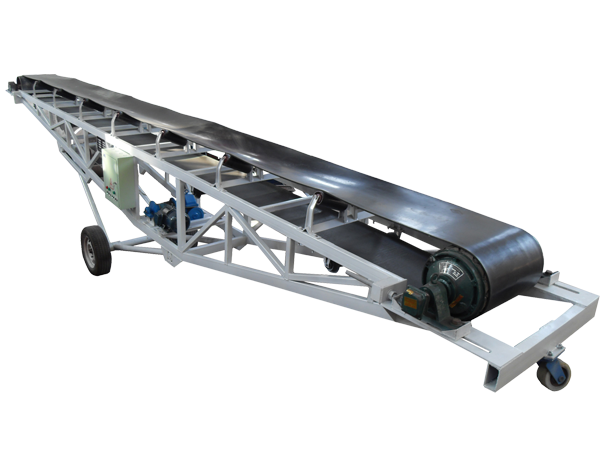
Belt Conveyors System
The most versatile and simplest material handling systems, for conveying loose materials or finished items
Belt width: 500mm-1000mm
Conveying distance: 2-240m
Conveying capacity: 1-500t/h
Introduction of Belt Conveyors System
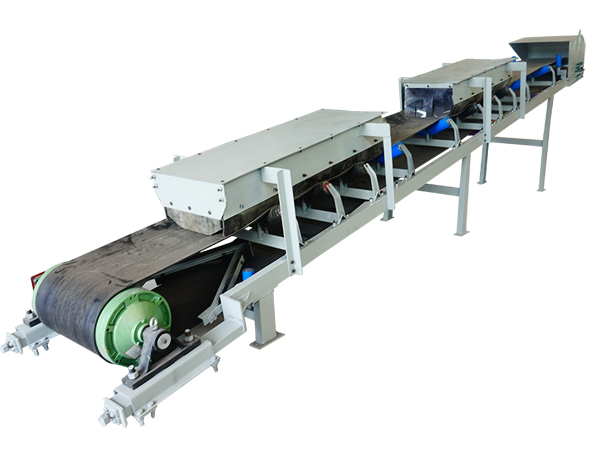
The belt conveyors system mainly uses the continuous or intermittent motion of the conveyor belt to transport various items of different weights.The belt conveying system can be designed in various ways, such as horizontal, inclined or vertical, turning; adding ribs to prevent falling to convey bulk materials, and can also convey various cartons, packaging products and other goods, with a wide range of types and applications.The function of the conveyor belt is to move objects from point A to point B with minimal effort.
-
Product Types of Belt Conveyors System
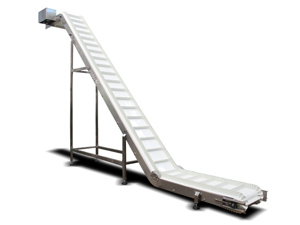
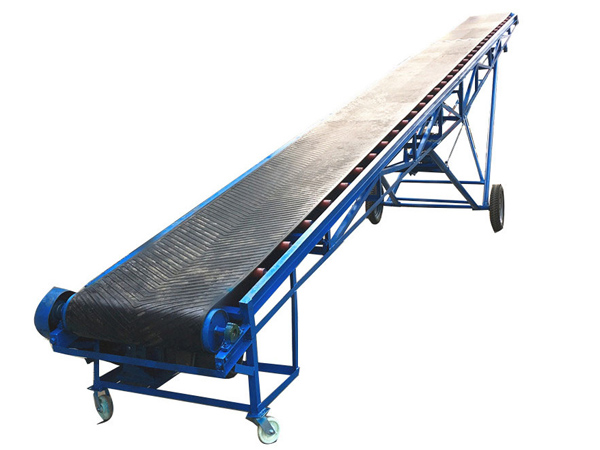
Features: 30°-90° conveying products, the rib design prevents the material from slipping.
Purpose: Inclined belt conveyors are ideal for mezzanine, dock, floor to overhead conveying applications and where inclined conveying is required.
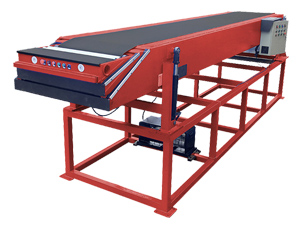
Features: The 3-stage retractable belt (3-26m) can penetrate deep into the interior of the carriage, and the height can be adjusted to match the handling
Application: For loading and unloading of container trucks. Widely used in bagged products, logistics distribution centers, express tire handling and other industries.
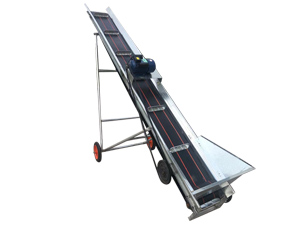
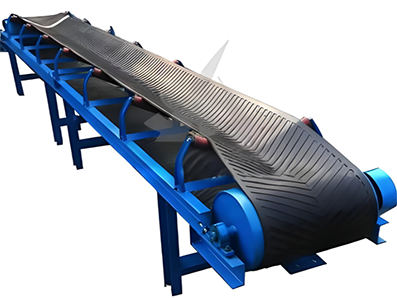
Features: Movable, lightweight, with baffles, lower cost
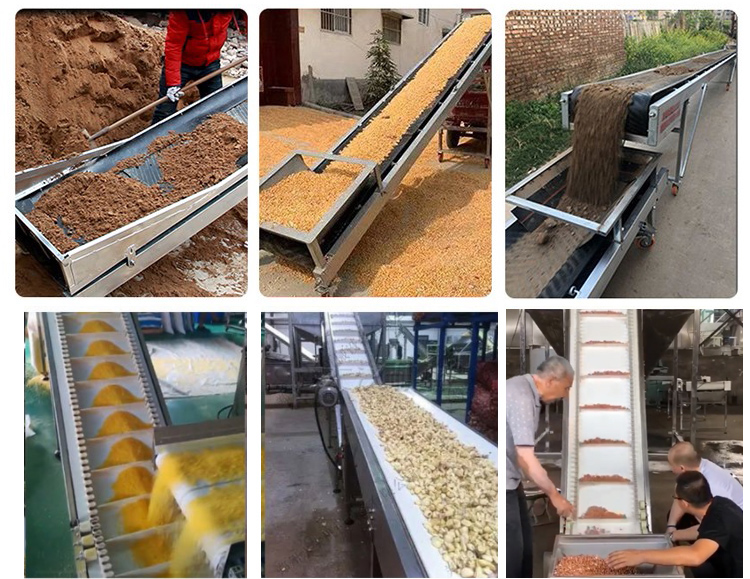
Uses: It is used for loading, unloading and transshipment of bulk materials and packaging of wheat, corn, soybeans and other grain crops.
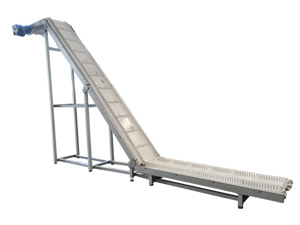
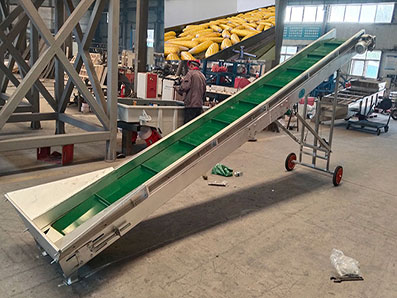
Features: food grade PVC safe and harmless, stainless steel bracket
Uses: used in factories with strict hygiene requirements such as snacks, vegetables, nuts, condiments, pharmaceuticals, chemicals, etc.
Features and Benefits
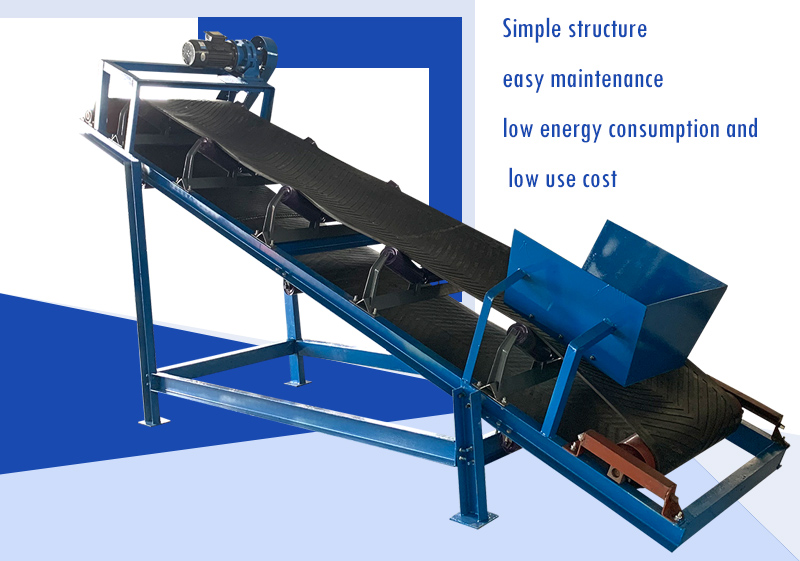
The Belt Conveyors System features a simple structure, ease of maintenance, low energy consumption, and low operating costs. It enables multi-point loading and unloading. Low noise makes it suitable for relatively quiet working environments. Major components are interchangeable and versatile. Conveying is stable and reliable, with no relative movement between the material and the conveyor belt, preventing damage to the conveyed material. It boasts strong conveying capacity, long conveying distance, reliable operation, and ease of automation and centralized control. It has a wide conveying range, capable of continuously conveying wet, dry, powdery, bulk materials and finished products. Customized equipment with special requirements such as heat resistance, cold resistance, waterproofing, corrosion resistance, explosion-proof, and flame retardancy can be customized according to different conveying processes and working environments.
Structure of Belt Conveyors System
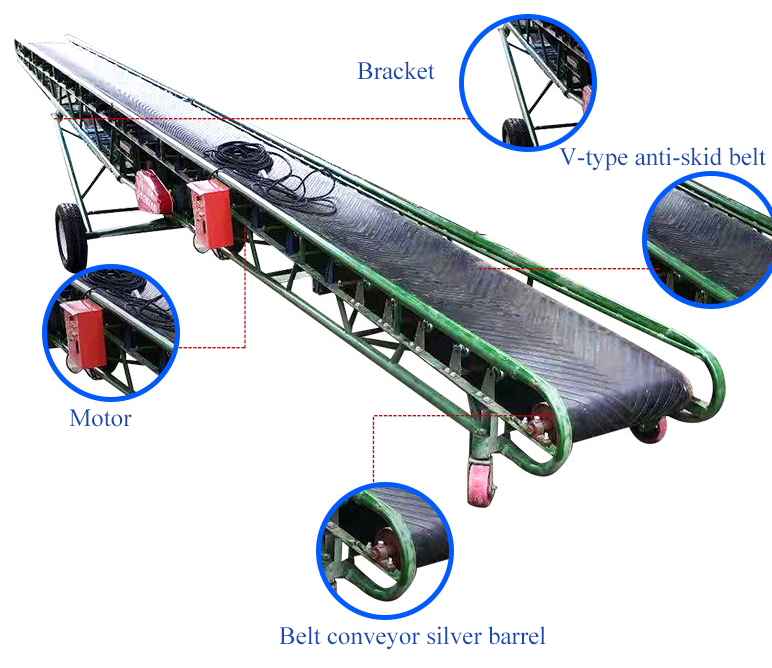
The belt conveyors system consists of conveyor belts, idlers, rollers and driving devices, brakes, tensioning devices, loading, unloading, cleaners and other devices.
Conveyor belt: There are two commonly used rubber belts and plastic belts. The rubber belt is suitable for working environment temperature between -15~40℃. The temperature of the material does not exceed 50 °C, and the manufacturer needs to be informed when ordering above 50 °C, and a high temperature resistant conveyor belt can be selected. The inclination angle of upward conveying of bulk material is 12°~24°. Skirt belts are available for large inclination conveying. The plastic belt has the advantages of oil, acid and alkali resistance, but it has poor adaptability to the climate and is easy to slip and age.
Idler: There are groove idler, flat idler, self-aligning idler and buffer idler. The trough-shaped idler (composed of 3 rollers) supports the bearing branch to transport the bulk material; the self-aligning idler is used to adjust the lateral position of the belt to avoid deviation; the buffer idler is installed at the receiving place to reduce the The impact of the material on the belt.
Roller: divided into driving roller and reversing roller. The drive drum is the main component for transmitting power. There are single rollers (the wrapping angle of the tape to the roller is 210°~230°), double rollers (the wrapping angle is up to 350°) and multiple rollers (for high power), etc.
Tensioning device: its function is to make the conveyor belt reach the necessary tension, so as to avoid slipping on the driving drum, and to ensure that the deflection of the conveyor belt between the idlers is within the specified range. Including screw tensioning device, heavy hammer tensioning device and car tensioning device.
Structure of Belt Conveyors System
-
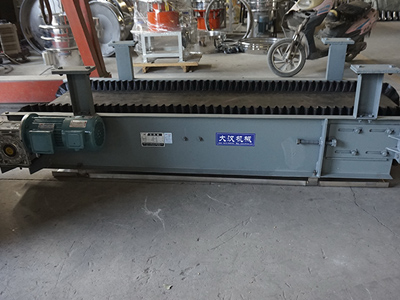
Hanging
-
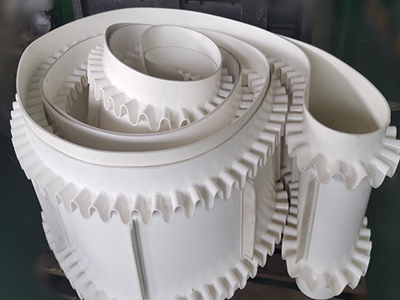
Anti-slip design
-
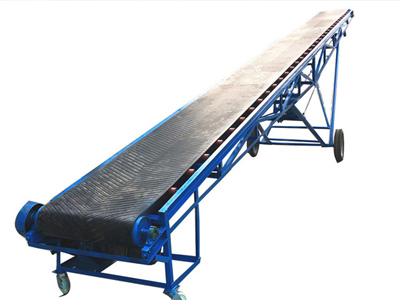
Mobile
-
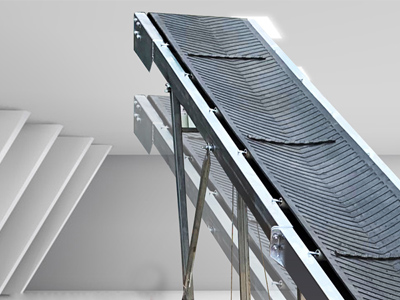
Adjust the height
-
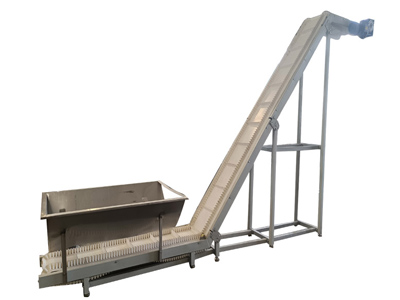
Self-contained silo
-
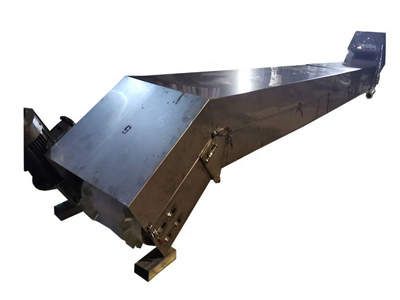
Closed conveying
Application
Belt Conveyors System is an effective conveying option with simpler construction and less budget. Belt Conveyors System can be applied in various scenarios of life, from airport subway shopping malls to automobile manufacturing machinery processing, food processing plants, grain processing plants, pharmaceuticals, granaries, express stations, docks, mines, etc. Conveying includes but is not limited to bulk materials, packaged products, packages, irregular objects:
| courier box | machine accessories |
| bucket | gravel |
| haystack | feed |
| food | recycle rubbish |
| vegetable | capsule |
| candy | tire |
| fruit | potato chips |
Solutions by Industry
-
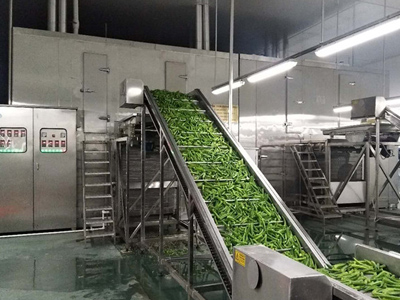
Climbing Belt Conveyor is Conveying okra
-
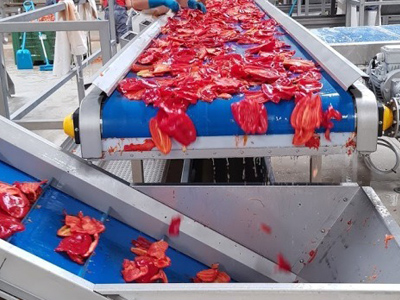
Two Belt Conveyors are Conveying meat
-
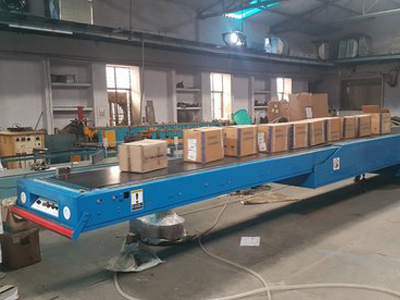
Retractable Belt Conveyor is delivering boxes