Food grade conveyor belt price
Wednesday November-19 2025 11:20:54
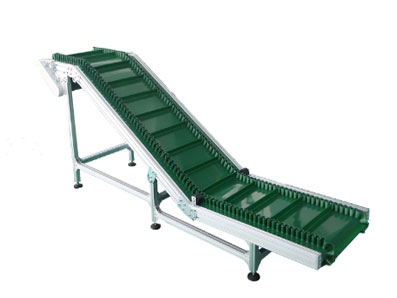
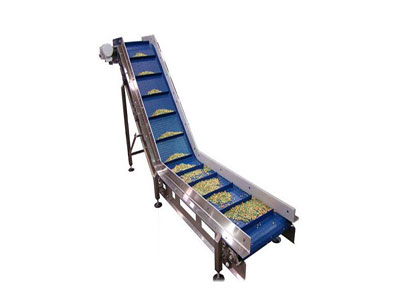
Food-grade conveyor belts are indispensable components on production lines, Food grade conveyor belt price ranging from approximately $10 to $120 per meter. The width of these belts typically ranges from 200 to 2000 mm, and the belt speed generally ranges from 0.1 to 10 m/s, adjustable to meet production needs. Surface designs include smooth, matte, diamond-patterned, grass-patterned, corrugated skirts, and baffle structures to accommodate different food friction coefficients, conveying angles, and hygiene requirements. Conveyor belts are oil-resistant, grease-resistant, abrasion-resistant, waterproof, antibacterial, easy to clean, and free of harmful plasticizers. Common materials include PU, PVC, silicone, PE, TPU, and stainless steel mesh belts; the specific material determines the conveyor belt's performance, application scenarios, and final price.
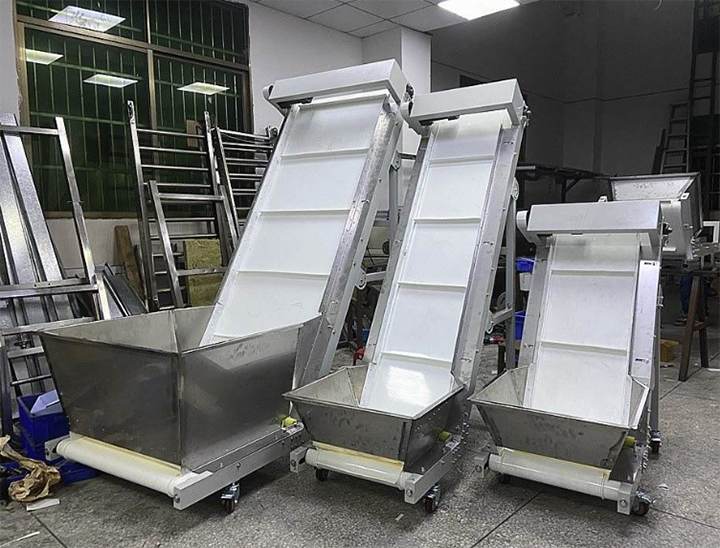
Food grade conveyor belt price for different materials?
Food grade conveyor belts vary in performance, temperature range, typical applications, and specifications depending on the material. For example, PU and silicone are generally more expensive but offer better performance, while PVC is cheaper but has weaker temperature resistance and stain resistance. Below are prices for conveyor belts made of different materials.
PU (Polyurethane) Food Grade Conveyor Belt
Performance: Soft texture, effectively reducing material damage; grease-resistant, not easily corroded or aged by oily substances; excellent wear resistance, long service life; smooth, non-porous surface, not easily harboring bacteria.
Temperature Range: -20℃ to +80℃.
Common Applications: Cooling and conveying baked goods, meat processing slicing and packaging, fruit sorting lines, dairy product filling and packaging, etc.
Specifications: Thickness 0.8–3 mm, width up to 2000 mm.
Price: Approximately $25–$70/meter.
PVC (Polyvinyl Chloride) Food-Grade Conveyor Belt
Performance: Suitable for light-load or low-to-medium intensity conveying applications; good waterproof and moisture-proof properties, but oil and temperature resistance are not as good as PU and TPU materials; various surface textures, including diamond and grass patterns.
Temperature Range: -10℃ to +60℃.
Common Applications: Conveying various beverage bottles and cans, packaging production lines, fruit and vegetable washing and sorting, and general dry food handling.
Specifications: Thickness 1–5 mm, various standard textures to adapt to different friction requirements.
Price: Approximately $10–$40/meter.
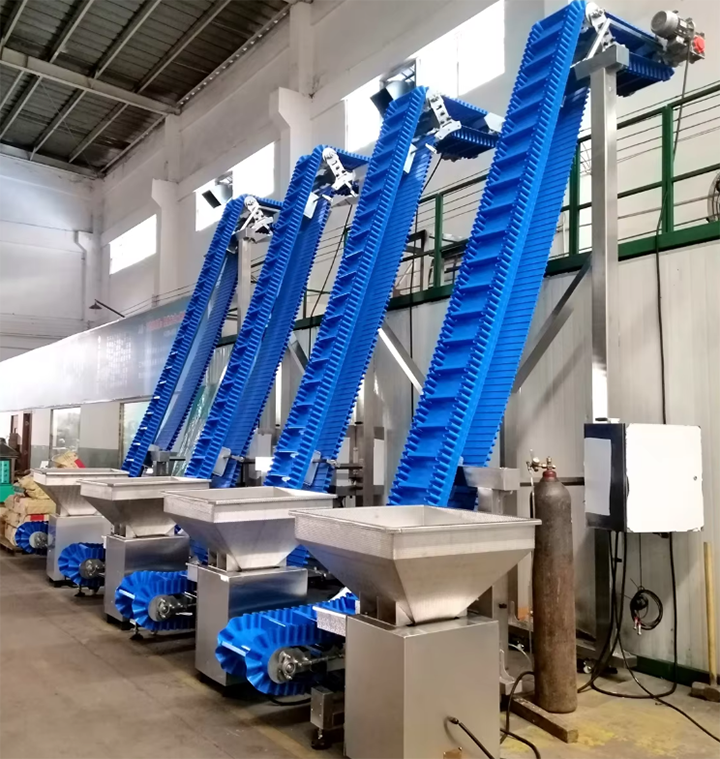
Silicone (Silicone) Food-Grade Conveyor Belt
Performance: Excellent high-temperature stability, maintaining its original performance under sustained high temperatures; strong non-stick surface, suitable for processing sticky foods; easy to clean, dirt does not easily adhere.
Temperature Range: -40℃ to +200℃.
Common Applications: High-temperature baking production lines, chocolate coating and solidification conveying, biscuit baking, heat sealing packaging, and other high-temperature processes.
Specifications: Thickness 1–5 mm, color and hardness can be customized according to actual needs.
Price: Approximately $50–$120/meter.
TPU (Thermoplastic Polyurethane) Food-Grade Conveyor Belt
Performance: Superior abrasion and tear resistance compared to ordinary PU; strong resistance to grease and chemical corrosion; excellent antibacterial properties, inhibiting microbial growth.
Temperature Range: -30℃ to +90℃.
Applications: Cold chain food conveying, fish and meat processing, pharmaceutical and medical supply production lines, and other fields with high hygiene and environmental requirements.
Price: Approximately $30–$90/meter.
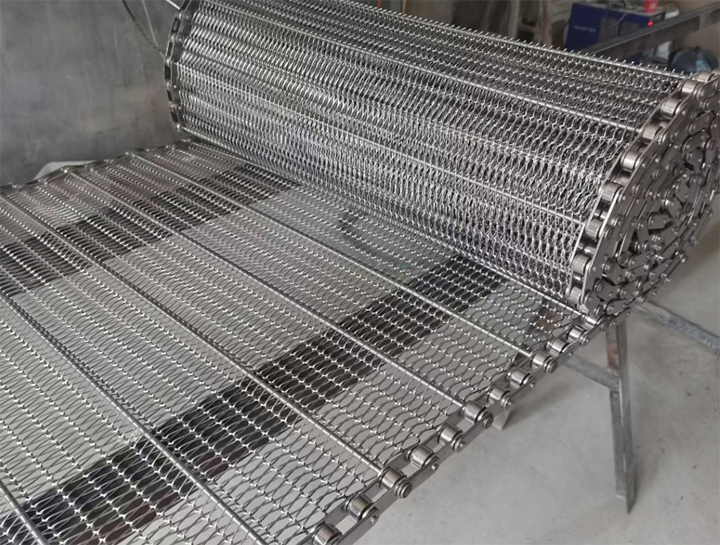
Stainless Steel Food-Grade Mesh Belt
Performance: Good high-temperature resistance and mechanical strength, not easily deformed, suitable for high-temperature drying, sterilization, baking, and cooling processes; good air permeability, facilitating hot air circulation; robust material.
Temperature Range: -40℃ to 400℃.
Price: Approximately $60–$200/meter.
What factors influence Food grade conveyor belt price?
Wider and thicker conveyor belts generally have higher prices. Non-standard widths require customization, increasing the price accordingly. Adding skirts, baffles, guide strips, and reinforcing layers increases processing costs. High humidity, high oil content, extreme temperatures, or environments requiring CIP cleaning place higher demands on materials. To adapt to different application needs, anti-slip patterns, guide grooves, hydrophobic or oleophobic coatings can be added; these surface modification processes increase material and processing costs, leading to higher prices. One-piece molded conveyor belts and modular spliced conveyor belts have different manufacturing processes and cost structures. Some high-end conveyor belts incorporate antistatic, antibacterial, or fabric reinforcement layers, which also increases the price.
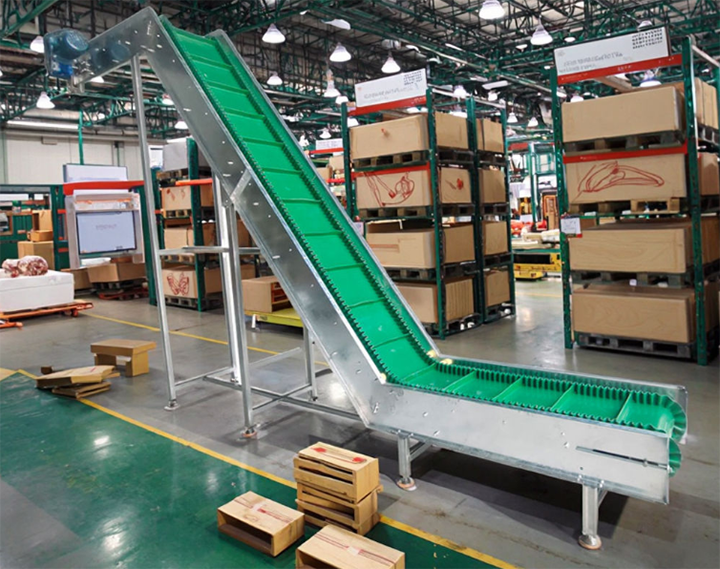
Food Grade Conveyor Belt Manufacturers
Different food grade conveyor belt manufacturers specialize in different materials, resulting in different food grade conveyor belt price. For example, some manufacturers specialize in high-PU and TPU food-grade conveyor belts, while others specialize in manufacturing integral TPU conveyor belts. Dahan Vibration Machinery is committed to manufacturing and innovating high-performance, cost-effective food-grade conveyor belts. Besides manufacturing small food-grade conveyor belts, they also manufacture industrial food-grade conveyor belts and support customized processing.
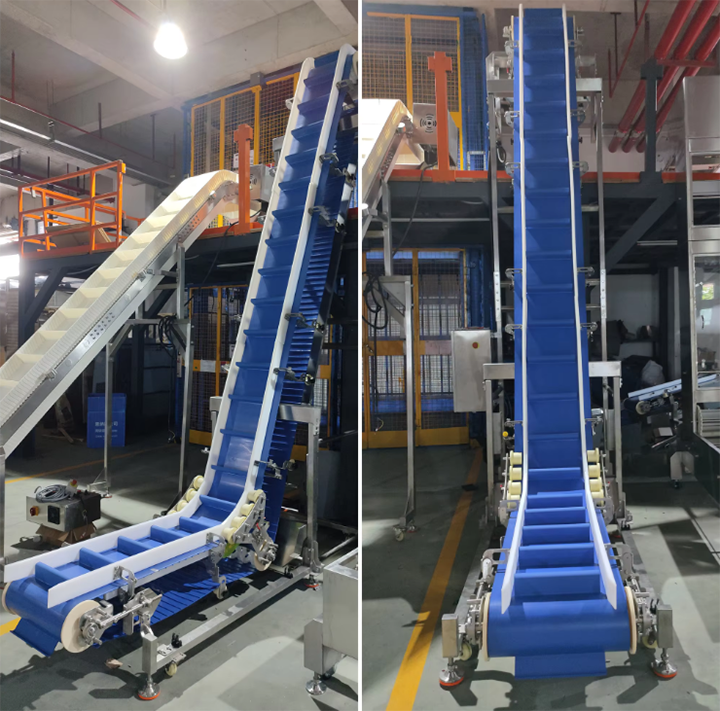
Food grade conveyor belt price depends on the material, size, surface structure, and safety and hygiene rating. PU and TPU are suitable for industries with high hygiene requirements, PVC offers a cost-effectiveness advantage, and silicone and stainless steel mesh belts are used for high-temperature or special processes. The difference between food-grade and ordinary conveyor belts lies in the fact that food-grade emphasizes material formulations that can safely contact food, resistance to disinfectants, and compliance certifications. Ordinary belts are mostly used for packaging or non-direct contact scenarios, offering lower costs but are not suitable for direct food contact.