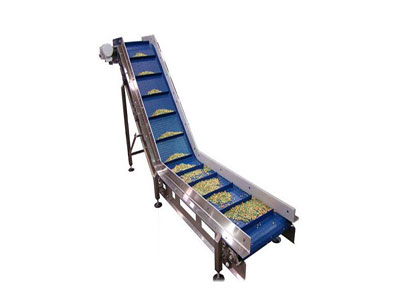
Bulk material conveyor
Bulk material conveyors are used for continuous conveying of bulk materials such as ore, gravel, coal and grains, realizing stable material transportation between crushing, screening and packaging links for use in mining, quarry, construction, chemical and grain industries. Prices typically range from $5,000 to $180,000.
Feed size: ≤350mm
Production capacity: 10-1200 tons/hour
Belt width: 400-2000mm
Conveying speed: 0.8-4.0 m/s
Motor power: 3-315kW
Bulk material conveyor is a mechanical device that continuously transports powdery, granular, or lumpy materials. It uses conveyor belts, screw conveyors, or bucket conveyors to transport materials from silos or hoppers to designated locations. It can adapt to the conveying needs of materials with different particle sizes and moisture content, and reduce the intensity of manual handling.
-
Bulk material conveyors typically have a conveying distance of 50 to 200 meters, and the angle of inclined conveying is generally no more than 20°. The hourly output can be designed according to the belt width and belt speed, with a common range of 500-3000 tons/hour. It can directly transport materials to silos at a specified height for storage, or flexibly load materials onto waiting trucks through devices such as loading chutes, to achieve continuous transfer operations.
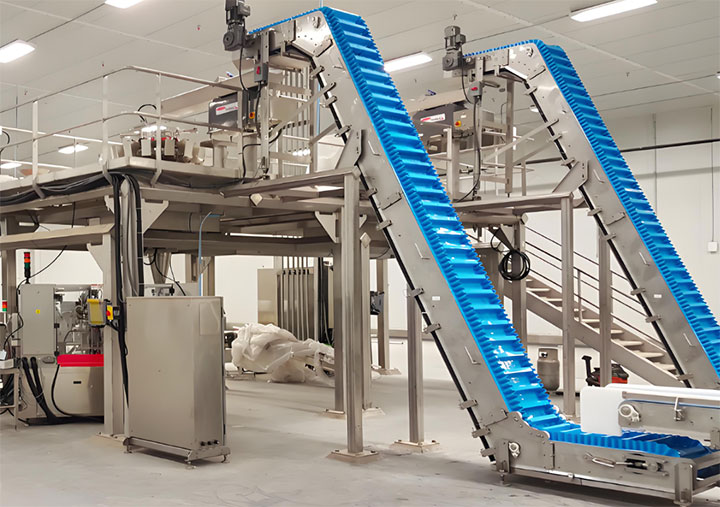
Bulk materials vary in density, particle size distribution, moisture content, viscosity, flowability, and corrosivity. Therefore, the material, width, and length of a bulk material conveyor must be customized based on the specific characteristics of the material being screened. For damp, easily agglomerated materials, the conveyor can be equipped with anti-clogging devices; for abrasive ores, enhanced wear resistance is required. Regarding material selection, ordinary carbon steel is suitable for non-corrosive general-purpose materials; stainless steel is suitable for corrosion-resistant applications such as food and chemical processing; and special alloys are suitable for harsh environments with high temperatures and high abrasion.
For reference, here are actual figures from our recent projects:
A phosphate fertilizer plant in Morocco installed our enclosed belt conveyor with AR400 liners. Material loss reduced from 8% to 3% — saving approximately $120,000 annually in material cost.
For a coal handling facility in Indonesia, we designed a 1,600mm belt with a 22° incline (exceeding the standard 20°) using a special high-friction belt cover. The system has operated at 2,800 tons/hour for 18 months with zero belt slippage incidents. A grain terminal in Thailand required 304 stainless steel construction for hygiene. We delivered a 45-meter screw conveyor with anti-clog devices that processes 80 tons/hour of rice with less than 0.5% grain breakage.
What are the advantages of bulk material conveyors?
Bulk material conveyors can transport various bulk solid materials, from powders and granules to lumps, meeting the needs of continuous, high-volume logistics. The enclosed design effectively prevents dust escape and material contamination by moisture, making it particularly suitable for conveying easily dusty, toxic, or hazardous materials, or materials requiring cleanliness, while also reducing the impact of the external environment on the materials. Open conveyors, on the other hand, have a simpler structure, lower cost, and are easier to observe and maintain. They are typically used for conveying non-sensitive materials that do not easily generate dust or have larger, less dispersed particles. Enclosed design is key to achieving environmental protection and material protection, while open design offers advantages in cost and maintainability. Depending on whether the conveying path is straight, curved, or requires multiple loading and unloading points, there is a wide range of choices for bulk material conveyors, including belt conveyors, chain conveyors, and screw conveyors.
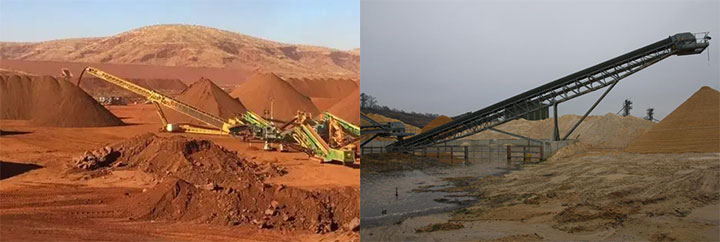
Quantified benefits from our installed systems:
Dust emission below 10 mg/m³ (meeting EPA and EU environmental standards) with our fully enclosed tubular design — compared to 50-80 mg/m³ from open conveyors.
Energy consumption reduced by 15-22% compared to traditional systems, verified by third-party audits at three cement plants in Vietnam.
Maintenance intervals extended to 6-8 months (vs. 2-3 months for conventional designs) due to our modular idler design and self-aligning return rollers.
Total cost of ownership (TCO) reduced by 18-25% over a 5-year period, based on data from 12 installations across Southeast Asia.
Bulk material conveyor types
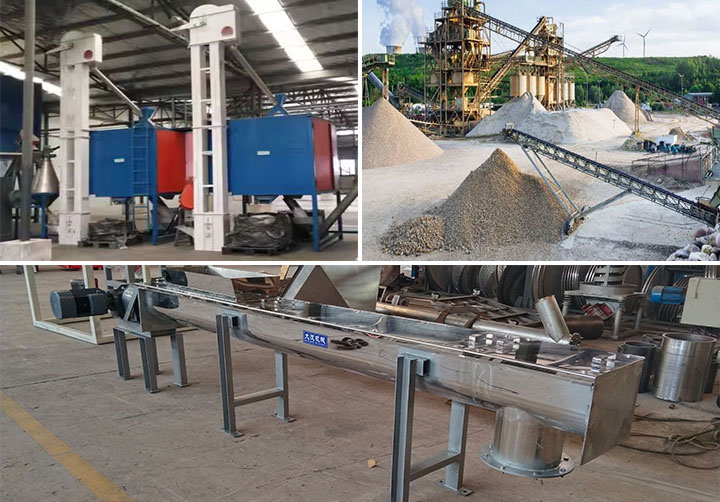
Based on their working principles and structural characteristics, bulk material conveyors can be categorized into four common types to suit different application scenarios.
Belt conveyors can adapt to various terrains, operating horizontally, inclined, or on curves, offering high conveying capacity, long conveying distances, and continuous operation.Best suited for: long-distance (over 100m) and high-capacity (over 500 t/h) applications such as mine pit-to-plant transport, overland conveying, and stockpile reclamation.
Screw conveyors can achieve horizontal, inclined, or vertical conveying, providing some mixing and crushing effects on materials, and enabling functions such as quantitative feeding, mixing, adding, or unloading. Best suited for: short-distance (under 30m), enclosed conveying of powdery or sticky materials such as cement, fly ash, and food powders. Ideal when dust control and precise feeding are priorities.
Tubular conveyors can achieve conveying at large angles, on curves, and along complex paths, replacing multiple traditional belt conveyor systems for long-distance sealed conveying, with a conveying capacity of 200–800 t/h. Best suited for: environmentally sensitive sites requiring zero dust emission, complex terrain with curves and elevation changes, and conveying of dusty or hazardous materials like coal, limestone, and chemicals.
U-shaped conveyors can be equipped with covers for semi-enclosed or fully enclosed conveying, used for horizontal or slightly inclined conveying of powdery, granular, and small lump materials, with a conveying capacity of 5–150 t/h.Best suited for: low-to-medium capacity applications in grain handling, fertilizer plants, and recycling facilities where cost-effectiveness and moderate dust control are required.
What are the specifications of bulk material conveyors?
The following ST Rating table reflects actual test data from our factory's belt splicing and tension testing laboratory (ISO 9001:2025 certified).
All values are based on physical pull tests conducted on steel cord conveyor belt samples.
For a given ST Rating and belt width, the recommended minimum pulley diameters ensure that the belt's steel cords do not exceed their fatigue limit during operation — a critical factor for belt longevity.
How to use this table:
1. Determine your required belt tension (based on conveying distance, lift height, and material density).
2. Select the ST Rating that meets or exceeds your tension requirement.
3. Read across to find the minimum pulley diameter for your belt width.
4. Choose a pulley diameter at or above the recommended value.
| ST Rating | Recomm-ended Cord Dia (mm) | Pitch (mm) ±1.5 | Belt Width | Minimum Recommended Pulley Diameters (mm) for MAWT utilisation > 60% | |||||||||||||
| 800 | 900 | 1000 | 1050 | 1200 | 1400 | 1500 | 1600 | 1800 | 2000 | 2200 | 2400 | A | B | C | |||
| 500 | 2.6 | 12 | 64 | 71 | 81 | 84 | 97 | 114 | 122 | 131 | 147 | 164 | 181 | 197 | 500 | 400 | 315 |
| 560 | 2.7 | 12 | 64 | 71 | 81 | 84 | 97 | 114 | 122 | 131 | 147 | 164 | 181 | 197 | 500 | 400 | 315 |
| 630 | 2.9 | 12 | 64 | 71 | 81 | 84 | 97 | 114 | 122 | 131 | 147 | 164 | 181 | 197 | 500 | 400 | 315 |
| 710 | 3 | 12 | 64 | 71 | 81 | 84 | 97 | 114 | 122 | 131 | 147 | 164 | 181 | 197 | 630 | 500 | 400 |
| 800 | 3.1 | 12 | 64 | 71 | 81 | 84 | 97 | 114 | 122 | 131 | 147 | 164 | 181 | 197 | 630 | 500 | 400 |
| 900 | 3.3 | 12 | 64 | 71 | 81 | 84 | 97 | 114 | 122 | 131 | 147 | 164 | 181 | 197 | 800 | 630 | 500 |
| 1000 | 3.5 | 12 | 64 | 71 | 81 | 84 | 97 | 114 | 122 | 131 | 147 | 164 | 181 | 197 | 800 | 630 | 500 |
| 1120 | 3.7 | 12 | 64 | 71 | 81 | 84 | 97 | 114 | 122 | 131 | 147 | 164 | 181 | 164 | 800 | 630 | 500 |
| 1250 | 4.2 | 14 | 55 | 61 | 69 | 72 | 84 | 98 | 104 | 112 | 127 | 141 | 155 | 169 | 800 | 630 | 500 |
| 1400 | 4.5 | 14 | 55 | 61 | 69 | 72 | 84 | 98 | 104 | 112 | 127 | 141 | 155 | 169 | 800 | 630 | 500 |
| 1600 | 5 | 15 | 50 | 57 | 64 | 67 | 77 | 90 | 97 | 104 | 117 | 130 | 144 | 157 | 1000 | 800 | 630 |
| 1800 | 5.4 | 15 | 50 | 57 | 64 | 67 | 77 | 90 | 97 | 104 | 117 | 130 | 144 | 157 | 1000 | 800 | 630 |
| 2000 | 6 | 15 | 50 | 57 | 64 | 67 | 77 | 90 | 97 | 104 | 117 | 130 | 144 | 157 | 1000 | 800 | 630 |
| 2250 | 6.2 | 15 | 50 | 57 | 64 | 67 | 77 | 90 | 97 | 104 | 117 | 130 | 144 | 157 | 1000 | 800 | 630 |
| 2500 | 6.6 | 15 | 50 | 57 | 64 | 67 | 77 | 90 | 97 | 104 | 117 | 130 | 144 | 157 | 1250 | 1000 | 800 |
| 2800 | 7 | 15 | 50 | 57 | 64 | 67 | 77 | 90 | 97 | 104 | 117 | 130 | 144 | 157 | 1250 | 1000 | 800 |
| 3150 | 7.4 | 15 | 50 | 57 | 64 | 67 | 77 | 90 | 97 | 104 | 117 | 130 | 144 | 157 | 1250 | 1000 | 800 |
| 3550 | 8 | 15 | 50 | 57 | 64 | 67 | 77 | 90 | 97 | 104 | 117 | 130 | 144 | 157 | 1400 | 1250 | 1000 |
| 4000 | 8.6 | 15 | 50 | 57 | 64 | 67 | 77 | 90 | 97 | 104 | 117 | 130 | 144 | 157 | 1400 | 1250 | 1000 |
| 4500 | 9.2 | 16 | 46 | 52 | 59 | 65 | 71 | 84 | 90 | 96 | 109 | 121 | 134 | 146 | 1400 | 1250 | 1000 |
| 5000 | 10.4 | 17 | 43 | 48 | 55 | 60 | 66 | 78 | 84 | 90 | 102 | 113 | 125 | 137 | 1600 | 1250 | 1000 |
| 5400 | 11 | 17 | 43 | 48 | 55 | 60 | 66 | 78 | 84 | 90 | 102 | 113 | 125 | 137 | 1600 | 1250 | 1000 |
| 6300 | 11.6 | 17 | 43 | 48 | 55 | 60 | 66 | 78 | 84 | 90 | 102 | 113 | 125 | 137 | 2000 | 1800 | 1600 |
How does a bulk material conveyor work?
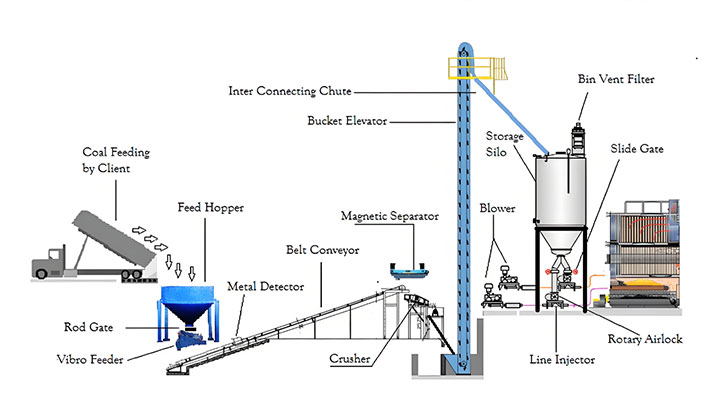
A bulk material conveyor operates as follows: a drive unit rotates the drive roller, pulling the conveyor belt in a continuous loop through friction. Material evenly falls from the loading point at the rear of the conveyor onto the conveyor belt, moving along with it to the unloading point at the front of the conveyor. The material is unloaded by the unloading device, and then the empty conveyor belt is supported by the lower return rollers and returns to the loading point, repeating the cycle.
For a visual explanation, refer to the diagram below showing the complete material flow path from feed hopper to discharge chute.
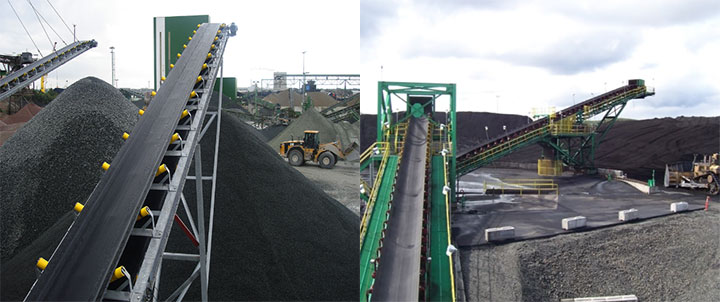
Bulk Material Conveyor System Display
How much does a bulk material conveyor cost?
Conventional bulk material conveyors have conveying lengths of 10-30 meters and conveying capacities of 50-200 cubic meters per hour, costing approximately $8,000-15,000. Large scraper conveyors or bucket elevators, suitable for mines and large factories, have conveying capacities exceeding 200 cubic meters per hour and are more expensive, typically ranging from $20,000-50,000. Custom designs, the use of specialized materials (such as stainless steel or wear-resistant alloys), or the addition of automated control systems can increase the price depending on specific needs.
Price breakdown (based on actual 2025-2026 orders):
Base conveyor (10-30m, carbon steel, standard motor): $8,000-$15,000 — includes conveyor structure, belt, drive unit, idlers, and basic controls.
Stainless steel 304 upgrade: +$3,000-$8,000 depending on length and gauge.
Wear-resistant liners (AR400 or ceramic): +$2,500-$6,000.
Variable frequency drive (VFD) for speed control: +$1,800-$4,200.
Full dust enclosure system: +$4,000-$10,000.
Shipping (FOB China port): $2,000-$8,000 depending on destination and container count.
On-site installation supervision (2 engineers, 10-14 days): $6,000-$10,000 plus travel.
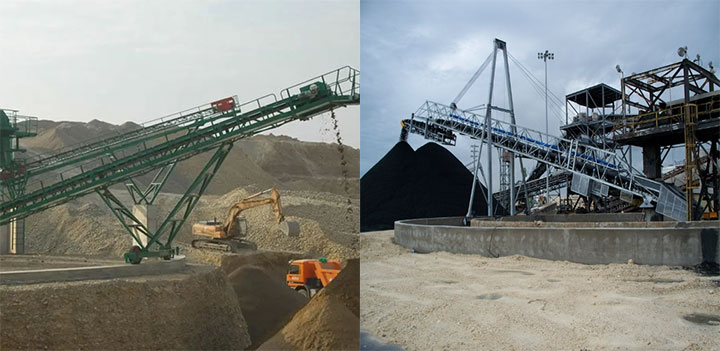
For an exact quote, please provide: material type, density, conveying distance, lift height, desired capacity, and ambient conditions (temperature, humidity, dust exposure).
What are the components of a bulk material conveyor?
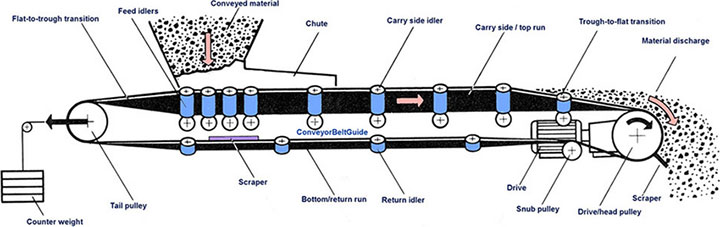
Taking the most common belt conveyor as an example, the core structure of a bulk material conveyor consists of the following basic components:
a conveyor belt, serving as the traction and load-bearing member;— Key selection factors: belt type (fabric, steel cord, or solid woven), cover grade (abrasion-resistant, heat-resistant, oil-resistant, or flame-retardant), and width (determined by capacity and material lump size);
a drive unit, typically consisting of a motor, a speed reducer, and a drive roller, providing system power;— Key selection factors: motor power (calculated from total resistance including friction, lift, and acceleration), reducer ratio (determines belt speed), and roller diameter (must match belt ST rating as shown in the table above);
a tensioning device, maintaining sufficient belt tension; — Key selection factors: take-up type (screw, hydraulic, or gravity), take-up stroke (typically 2-5% of belt length), and tension force (must exceed minimum required to prevent belt slippage);
an idler assembly, including load-bearing sections and return rollers, supporting the conveyor belt and the material;— Key selection factors: idler spacing (carrying side: 1.0-1.5m; return side: 2.5-3.0m), roll diameter (determines bearing life), and seal type (labrynth or contact seals for dusty environments).
a frame, the overall supporting structure, all of which together enable continuous conveying of bulk materials.— Key selection factors: material (carbon steel, stainless steel, or aluminum), truss or channel design, and bolt-welded or fully welded construction depending on site assembly requirements .
Bulk Material Conveyor Manufacturer
Bulk Material Conveyor Manufacturer — Dahan Machinery
Dahan Machinery has manufactured conveyor equipment since 2011, with many years of continuous operation in the bulk material handling industry.
Our manufacturing facility in Xinxiang, China (12,000 m²) houses:
- CNC laser cutting and plasma cutting lines for precision component fabrication
- Automated roller shell welding and dynamic balancing equipment
- In-house belt splicing and tension testing laboratory (ISO 9001:2025 certified)
- Full paint shop with anti-corrosion coating systems
Quality control process: Every conveyor undergoes a 4-stage inspection — raw material verification, in-process dimensional checks, sub-assembly testing, and full-system no-load run test before shipping. Test reports are provided with each shipment.
Customization capabilities:
- Hydraulic lifting structures for mobile/portable applications
- Twin-helix conveying solutions for difficult-to-handle materials
- Drawings-based custom fabrication — we accept customer-provided CAD files and manufacture to specification
- On-site installation supervision available for overseas projects (we have supervised installations in 14 countries)
Our engineering team (12 mechanical engineers, average 9 years of experience) provides design review and optimization recommendations for each project before production begins.
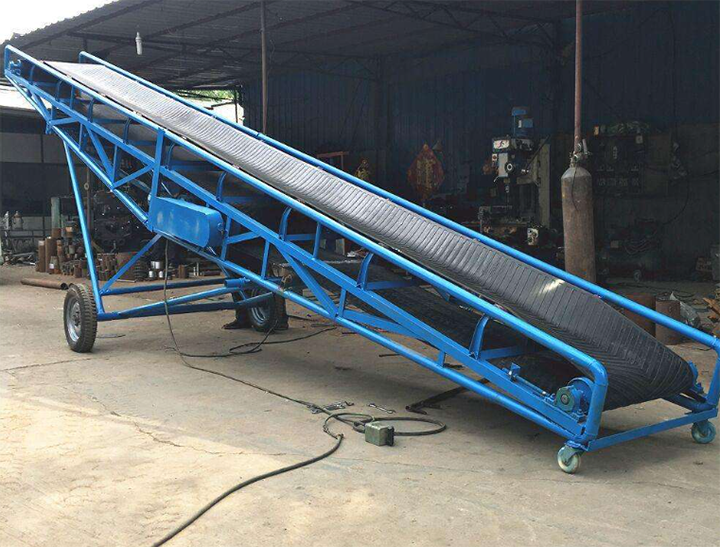
Bulk Material Conveyor Customer Case
Case 1: Vinaconex Cement Plant (Hai Phong, Vietnam)
- Challenge: Transport 650 tons/hour of clinker from the cooler to storage silos over a 92-meter distance with a 15° incline. Existing open conveyor caused dust emissions exceeding local regulations (120 mg/m³) and frequent belt tracking issues.
- Solution: Dahan supplied a 1,200mm-wide belt conveyor with ST1250 belt, 160kW motor with VFD, fully enclosed dust-tight cover system, and self-aligning return idlers.
- Installation: Q3 2025, completed in 14 days with on-site supervision by two Dahan engineers.
- Results: Achieved 620-680 tons/hour throughput with 98.7% uptime in first 6 months. Dust emissions reduced to 8 mg/m³ (well below Vietnam's 50 mg/m³ limit). Energy consumption: 2.1 kWh/ton (vs. 2.7 kWh/ton on the previous system).
- Client feedback: "The Dahan team completed installation in 14 days and provided on-site training. The conveyor has performed consistently even during monsoon season." — Nguyen Van Tuan, Plant Manager
Case 2: Song Hau Grain Terminal (Can Tho, Vietnam)
- Challenge: Automate unloading of bulk rice from ships (up to 5,000 tons per vessel) and transport to silos 450 meters away with minimal grain breakage.
- Solution: Integrated system including a belt conveyor (800mm width, 450m length), two bucket elevators (35m lift), and three screw conveyors for silo filling, all in 304 stainless steel with food-grade belts.
- Installation: Q1 2026.
- Results: Throughput of 120 tons/hour with less than 0.5% grain breakage (vs. 3-4% with previous manual/forklift method). Labor reduced from 12 workers per shift to 3 operators. System runs 16 hours/day with 99.2% availability.
For more case studies and project references, contact our engineering team for a portfolio specific to your industry.
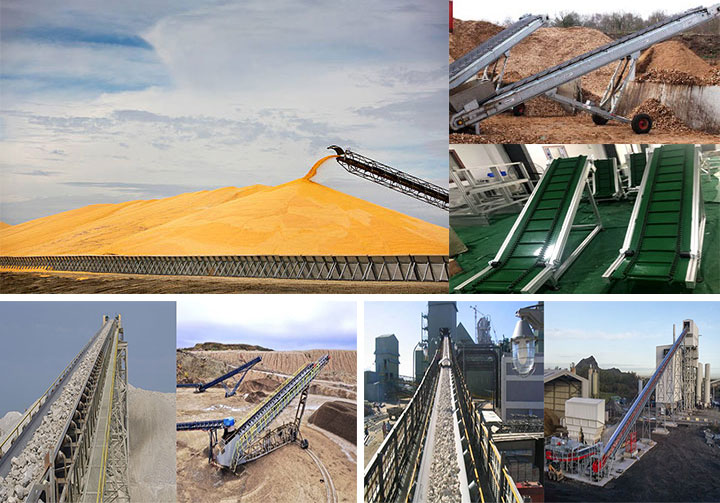
Sugested Products
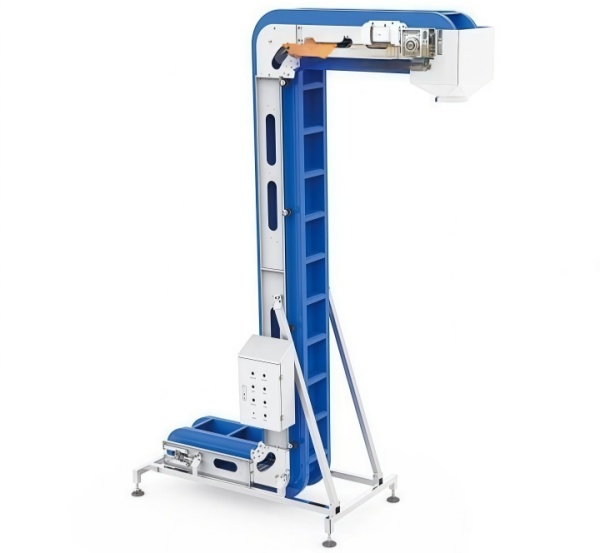
Vertical Belt Conveyor System | 90° Space-Saving Lifting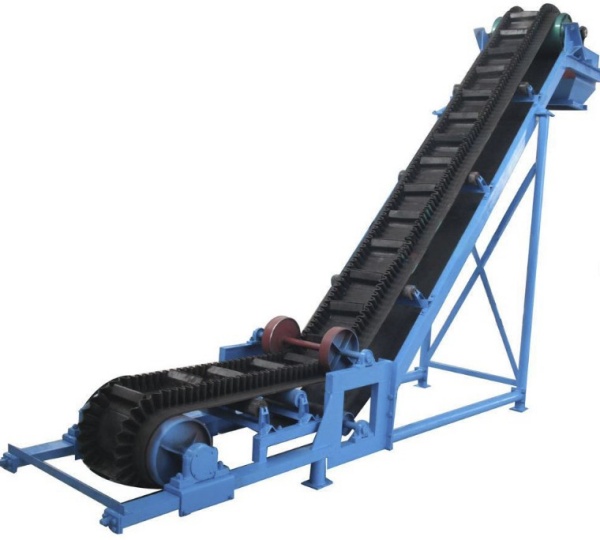
Corrugated Sidewall Belt Conveyor for Aggregate | Heavy-Duty Incline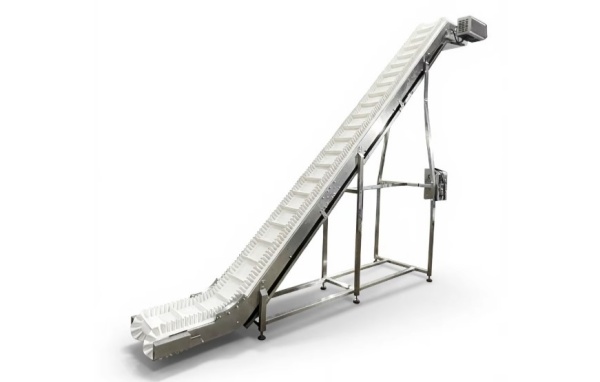
Cleated Belt Conveyor Machine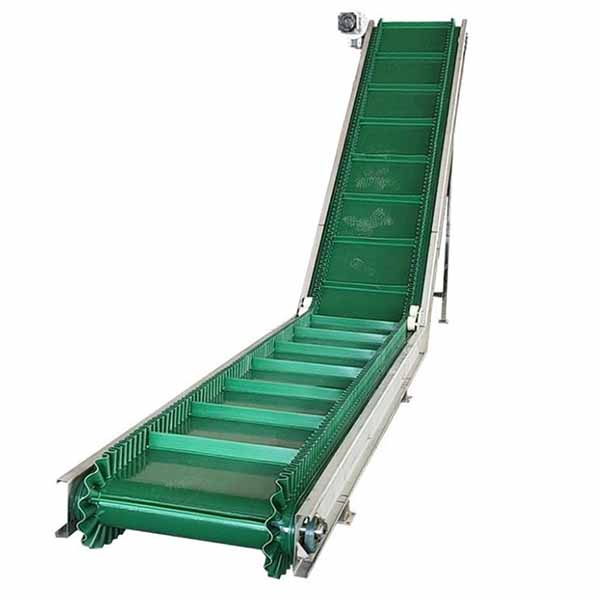
High Incline Sidewall Belt Conveyor Manufacturer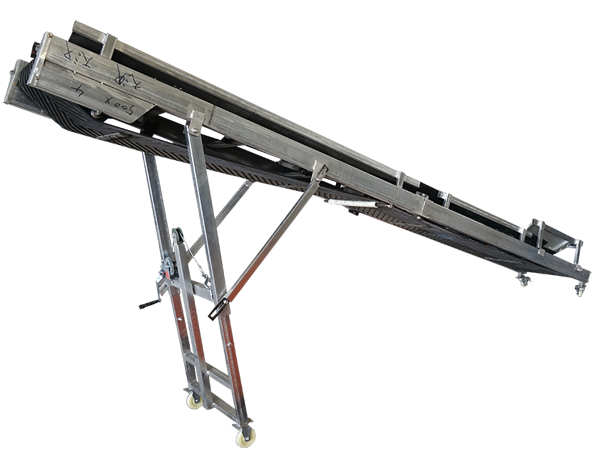
Portable Belt Conveyor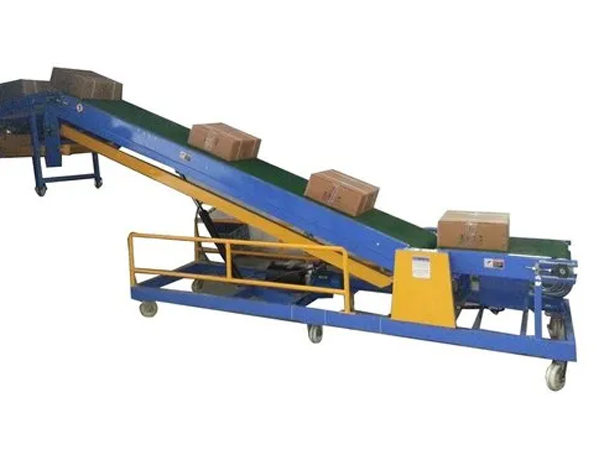
Loading belt conveyor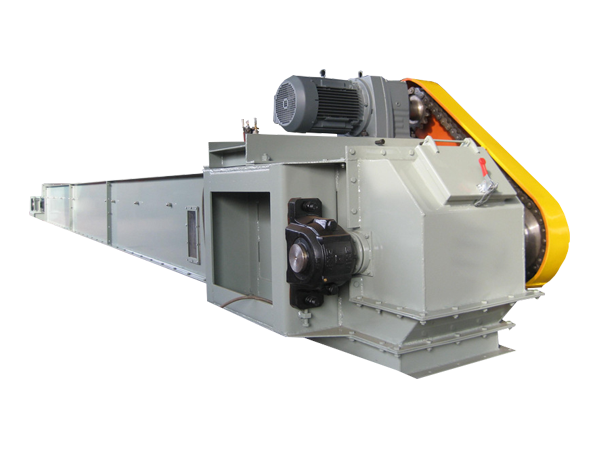
Scraper Conveyor