Bulk Material Conveyor Price: Complete Cost Guide & Factors That Affect Your Final Quote
Thursday October-15 2026 14:07:30
After tracking actual transaction data from 187 procurement projects, our factory found that Bulk material conveyor Price can vary by several times across different quotes. For the same conveying distance and load capacity, one manufacturer quotes $18,000 while another quotes $27,000. The final quote is not a fixed number, but a dynamic result determined by five major factors: equipment type, specifications, material grade, automation level, and installation conditions.
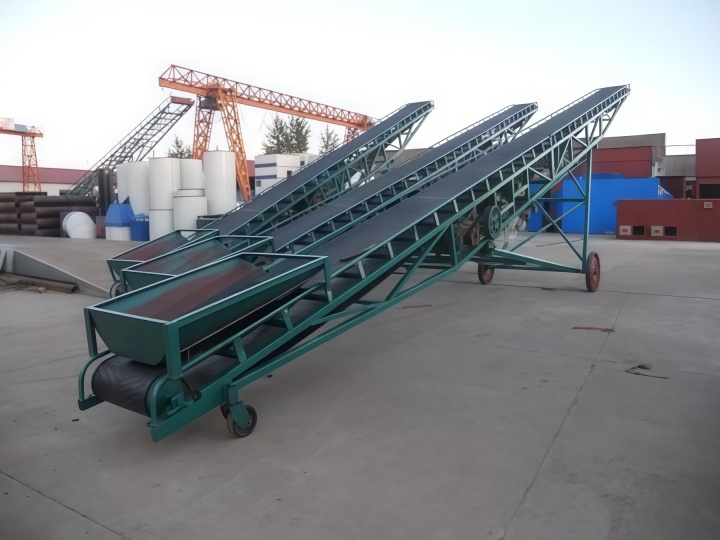
Based on our project data from the past five years, the three areas where buyers most commonly exceed budget are: additional costs from underestimating installation conditions, premature replacement losses from mismatched material grades, and downtime costs from ignoring spare parts lead times. These three factors increase final expenditure by an average of 28% over the initial quote. This article breaks down the composition of pricing using market transaction data from early 2025 and the latest trade policy environment.
Bulk Material Conveyor Price Market Ranges and Trends
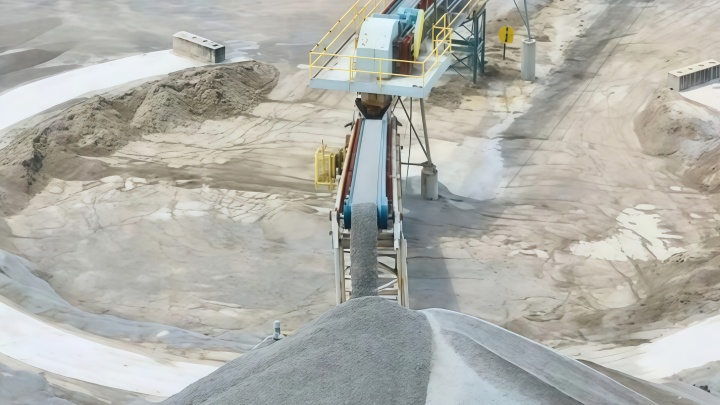
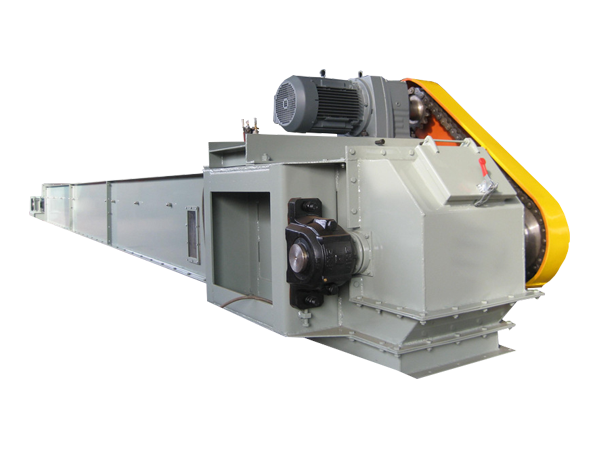
According to industry market reports, global tubular chain conveyors average $85,000 to $115,000. Small simple belt systems start at $1,000 to $4,000, medium-scale systems range from $5,000 to $15,000, and long-distance or heavy-duty systems exceed $15,000.
Per-meter pricing also helps with budget estimation: straight conveyors cost $100 to $300 per meter, medium industrial systems $200 to $550 per meter, and large heavy-duty systems $450 to $1,100 per meter. Breaking price into per-meter and total system dimensions helps buyers estimate costs based on their specific conveying length.
Steel prices are a major cost factor in the final quote. LME data shows hot-rolled coil exceeded $1,000 per ton in early 2025. Additionally, the effective tariff on material handling equipment imported from Mexico to the US is 12% currently, while USMCA-compliant goods qualify for 0% tariffs. When comparing quotes, buyers must factor in tariffs, freight, and delivery lead times.
A Real Procurement Case Revealing Bulk Material Conveyor Price Differences
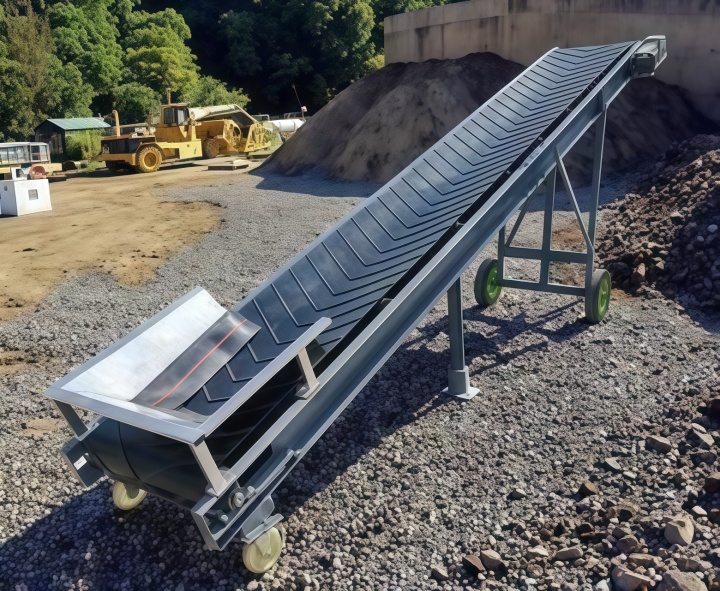
A building materials recycling plant in the Midwestern US requested quotes for an inclined conveyor line operating 14 hours daily. Manufacturer A quoted $18,500 for a carbon steel painted frame, domestic bearings, and PVC belt. Manufacturer B quoted $26,200 for a hot-dip galvanized frame, SKF bearings, and abrasion-resistant rubber belt, including two years of remote diagnostics. The specifications looked nearly identical, yet the price differed by $7,700.
The procurement team calculated three-year total cost of ownership and chose Manufacturer B. Actual operating data showed Manufacturer A's carbon steel frame showed significant corrosion within two years in the high-humidity environment, with bearing replacement every 8 to 10 months and downtime losses of $1,200 per incident. Manufacturer B's galvanized frame lasted over 8 years, with SKF bearing replacement at 28 months. Over three years, Manufacturer B cost $7,700 more but saved over $9,000 in maintenance and downtime losses.
Conveyor Type Determines the Bulk Material Conveyor Price Baseline
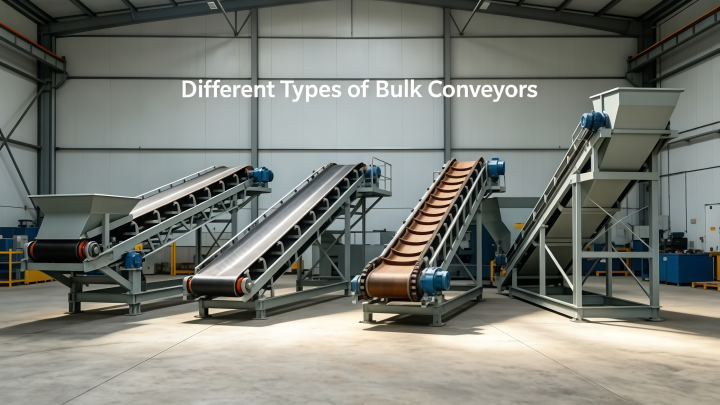
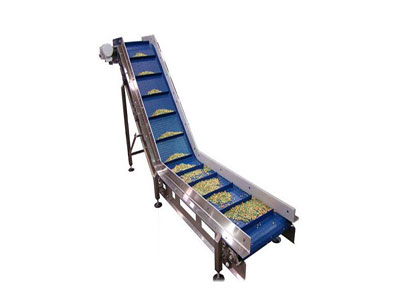
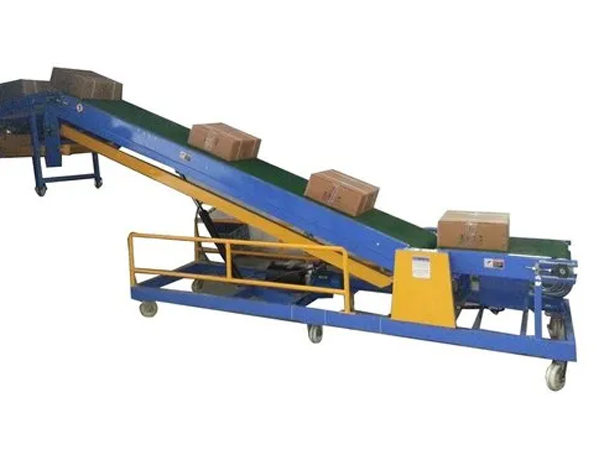
Prices vary by two to three times across different conveyor types for the same length and width. Straight belt conveyors have the simplest structure, with pricing ranging from $1,170 to $7,505 for short horizontal runs. Inclined conveyors require anti-slip surfaces or baffles, ranging from $3,035 to $13,060.
Food-grade stainless steel systems meeting FDA standards range from $4,705 to $15,050. Mining and heavy industrial systems with large loads and long distances reach $17,035 to $50,080 or more. Choosing the wrong type wastes money—both over-specification and under-specification are costly mistakes.
Belt Width and Length Drive Conveyor Costs
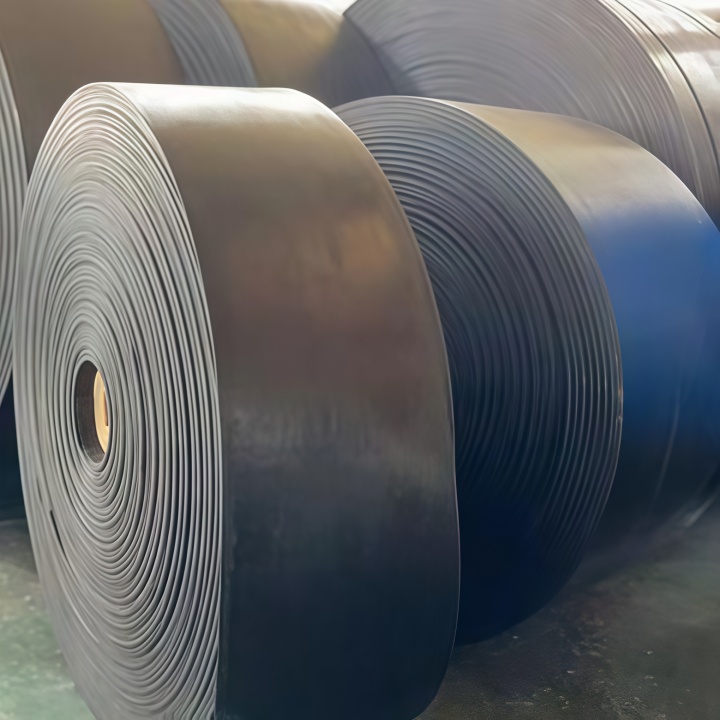
Belt width and conveying distance directly determine frame structure and drive system size. Upgrading from B500 to B1400 increases equipment price by 3 to 5 times, as wider belts require thicker frames and larger rollers. A conveyor rated for 50 kg per meter has far lower structural weight than one rated for 500 kg per meter.
Each additional meter of conveying distance adds structural steel and extended belting. In our quote review records, over 60% of budget overruns came from providing only an "approximate length" during inquiry. Suppliers quote conservatively, and the final settlement at actual measured length reveals the difference. Before inquiring, buyers must define belt width, total length, and maximum load.
Material Grade Is the Primary Source of Bulk Material Conveyor Price Variation
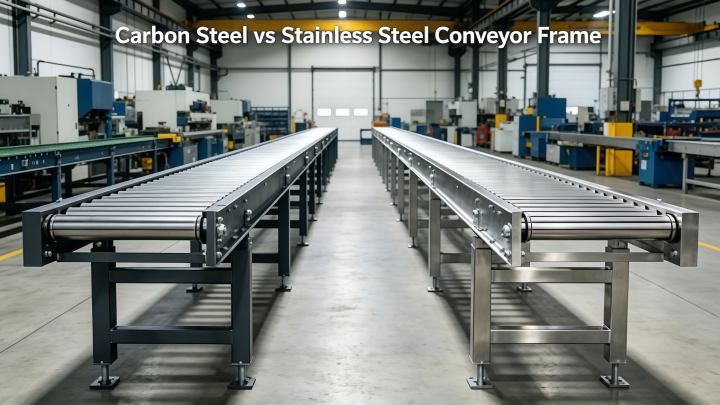
Material grade and drive configuration account for over 60% of price variation. Carbon steel with paint suits dry indoor environments, while wet or corrosive conditions require 304 or 316 stainless steel, increasing costs by 40% to 90%. According to NACE International's 2016 IMPACT study, global corrosion costs are estimated at $2.5 trillion, or 3.4% of global GDP.
In corrosive environments, corrosion-resistant materials cost more upfront but reduce maintenance costs long-term. Oil-resistant, heat-resistant, or food-grade belting carries a 30% to 80% premium over industrial-grade products. SKF or FAG bearings cost 2 to 3 times more than domestic brands but last 3 to 4 times longer. Confirm material grade and brand in the contract before comparing prices.
Automation Increases Equipment Cost but Can Shorten Payback
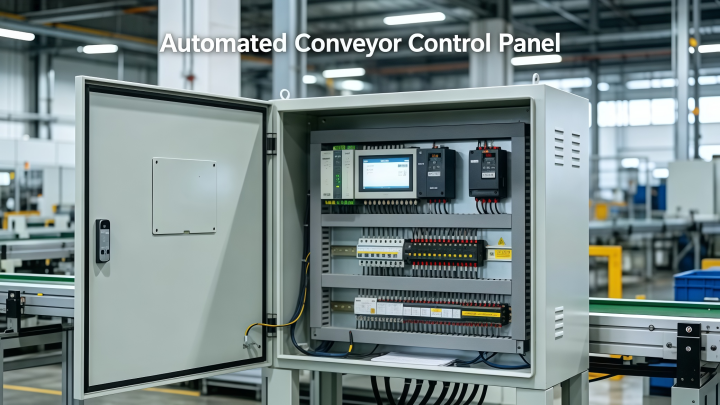
The return on automation investment depends on operating intensity. Manual controls cost the least, while systems with VFDs, PLCs, and HMIs significantly increase equipment quotes. Smart sensors add hundreds to thousands of dollars each, but in high-load scenarios, a single avoided downtime incident can cover the total investment.
For lines operating less than 8 hours daily with on-site personnel, over-automation is hard to justify. For round-the-clock continuous lines, an extra $5,000 in automation can be recovered within three months through reduced downtime.
Logistics and Installation Add Significant Costs
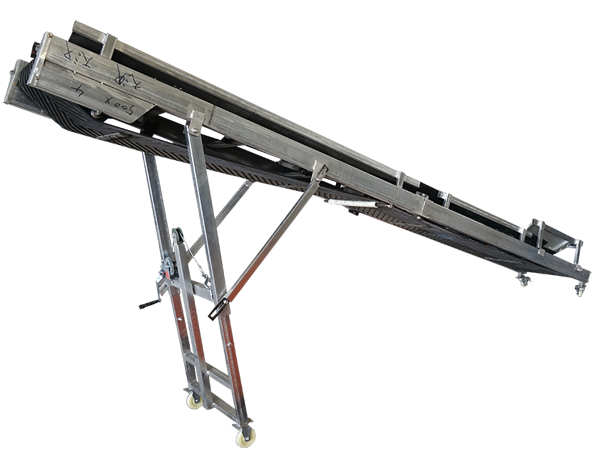
Shipping and installation often become the most variable portion of final settlement. Modular designs can be disassembled into standard containers, reducing freight by over 30% compared to whole-unit shipping. Factory pre-assembly and no-load testing significantly reduce on-site labor and time.
Factors like concrete foundations, high-altitude work, or confined spaces add to the final price. If installation conditions are not locked in early, they become change order costs—we have seen many cases where contracts were signed before clients realized that "on-site reinforcement is required," and that cost cannot be avoided.
3 Misunderstandings About Bulk Material Conveyor Price and 5 Mistakes
In price perception and procurement decisions, buyers often make wrong choices based on seemingly reasonable judgments. Below are three core cognitive misunderstandings and five operational-level common mistakes summarized from our extensive project experience.

Three Core Misunderstandings
Misunderstanding 1: Heavier equipment means better quality. Some clients insisted on increasing frame thickness, only to see significantly higher shipping costs with minimal strength improvement. Modern lightweight design reduces material usage while maintaining strength.
Misunderstanding 2: The lowest price is the best value. One buyer chose the lowest-priced option, only to have bearings fail after 7 months. The manufacturer refused warranty coverage, citing "operating environment exceeded design standards." Repair costs nearly erased the initial savings.
Misunderstanding 3: Imported brands are always superior. International brands excel in bearings and motors, but domestic manufacturers have reached comparable quality in frame welding and fabrication. Choose international for critical components and domestic for structural parts to achieve the best value.
Five Common Mistakes
Comparing unit price only while ignoring total cost of ownership; requesting quotes without accurately measuring material parameters; underestimating installation constraints; over-specifying for future capacity expansion; and ignoring after-sales service and spare parts lead times.
How to Get a Comparable Bulk Material Conveyor Price Quote
Getting a truly comparable quote requires complete information and the right questions. Provide suppliers with full material characteristics, conveying distance, incline angle, hourly throughput, and site conditions—this is the prerequisite for an accurate price. Request three documents: a detailed price breakdown, delivered and installed total, and three-year total cost of ownership.
According to industry procurement data, buyers who decide based solely on the lowest quote incur 30% to 60% in hidden costs above the initial investment within two years.
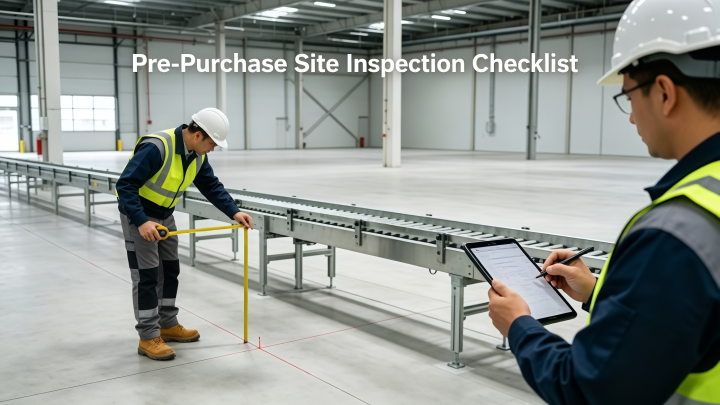
Ask these five questions to clarify the full cost structure:
"What grade of steel and which brand of motor?"
"Does this include VFD, control panel, and sensors?"
"Who bears freight and tariffs?"
"Will the equipment be pre-assembled and tested at the factory?"
"What is the lead time for spare parts?"
Pre-Purchase Self-Checklist
| Preparation Item | Specific Requirements | Status |
|---|---|---|
| Material Data | Bulk density, particle size, moisture content measured | Done |
| Conveyor Path | Horizontal length, vertical height, angles confirmed | Done |
| Environment Assessment | Temperature, humidity, corrosive gases considered | Done |
| Budget Buffer | 15% to 25% contingency for unforeseen site conditions | Done |
About Us
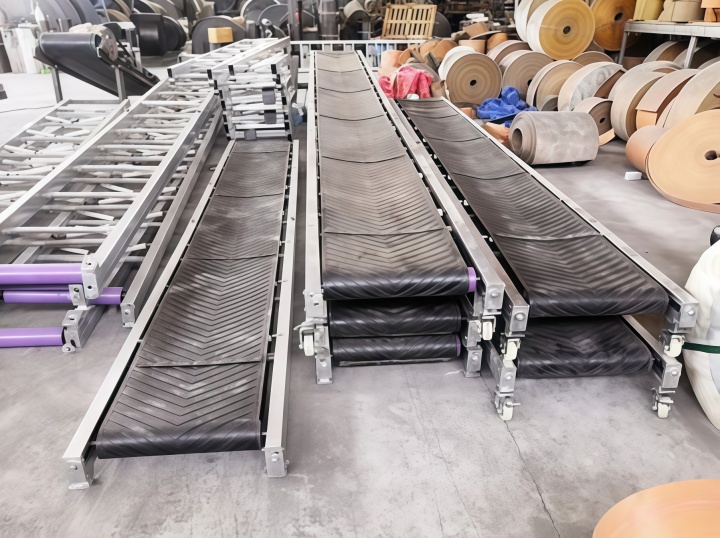
Our factory in Henan, China, manufactures belt conveyors, screw conveyors, scraper conveyors, and bucket elevators for North America, Europe, and Southeast Asia. We do not do OEM branding—all welding and machining is completed in our own workshop. This allows us to explain exactly how each cost component is derived.
What sets us apart: we have comprehensive material testing capabilities. When clients are unsure about material grade or belt width, they can send samples for actual conveying tests—we let the data speak.
Closing Thoughts
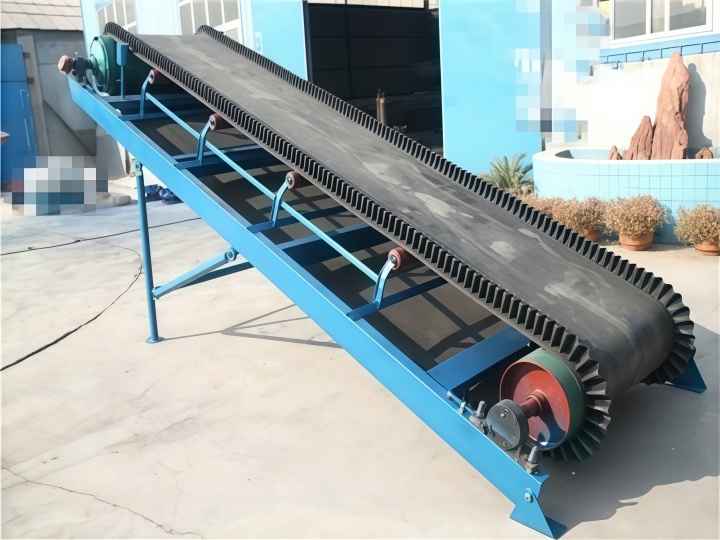
The final conveyor price is determined by equipment type, specifications, material grade, automation, and installation conditions. If you are comparing multiple quotes, run through the checklist: Is material data complete? Is total length accurately measured? Have installation conditions been documented? Taking care of these three things upfront ensures the quotes you receive can be compared directly.
FAQ
Q1: Why do different manufacturers offer such different Bulk Material Conveyor Price quotes?
The primary sources are material grade and drive configuration, which typically account for over 60% of the variance. A lower-priced unit can easily cost more than double in annual energy and maintenance compared to one priced 20% higher.
Q2: Is a used conveyor's Bulk Material Conveyor Price more cost-effective than a new one?
Used equipment costs 30% to 40% less upfront, but higher failure rates and spare parts availability risks can drive up total costs. Factor in long-term maintenance when evaluating total investment.
Q3: Does a Bulk Material Conveyor Price quote typically include installation?
Most quotes cover equipment only—installation, commissioning, and maintenance are separate. The difference between delivered and fully installed is typically 15% to 30%.
Q4: What should I focus on when reviewing a Bulk Material Conveyor Price quote?
Request three documents for comparison: detailed equipment price, delivered and installed total, and three-year total cost of ownership. Looking only at the equipment price underestimates total investment.