How to Choose the Right Belt Conveyor Manufacturer: A Complete Sourcing Guide
Thursday October-15 2026 14:05:06
Choosing the right Conveyors Belt manufacturer comes down to seven key dimensions: sourcing channels, technical capability, quality systems, industry experience, data benchmarks, after-sales support, and red flags to avoid.
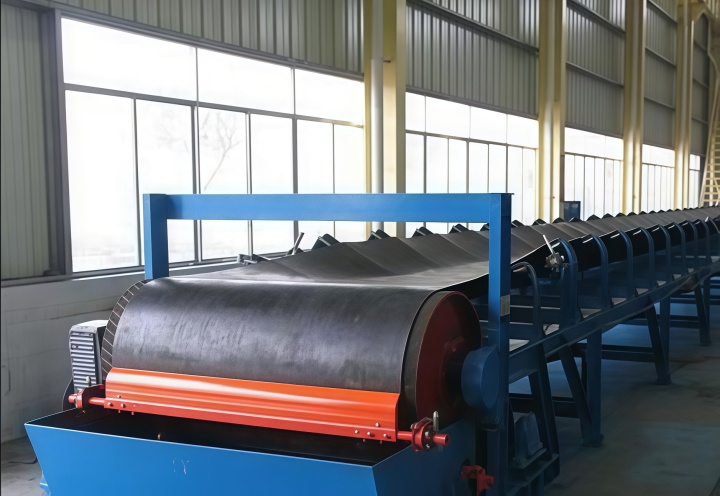
Last year I helped a factory replace an aging conveyor line and visited five manufacturers. Some had impressive brochures but outdated workshops; others quoted 30% lower but couldn't name the core component brands when asked. A conveyor either performs well or doesn't, and two weeks of continuous operation will tell the truth. But figuring out which manufacturer to trust before purchasing is far less intuitive.
Many buyers focus solely on price while overlooking technical fit and manufacturing capability. The money saved upfront often ends up covering repair bills down the road. Getting these seven dimensions right matters more than shaving a few percentage points off the quote.
Where to Find Reliable Belt Conveyor Manufacturers
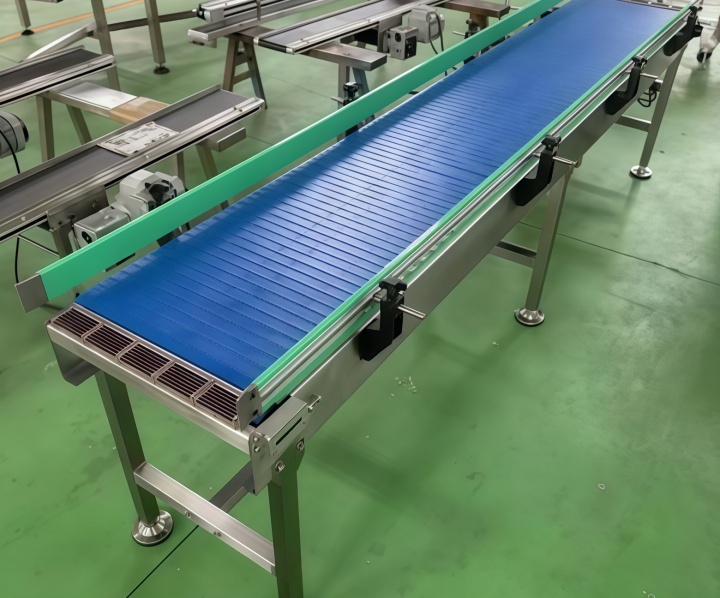
Finding suppliers is often more challenging than evaluating them. The main channels are B2B platforms, industry trade shows, and professional forums. When screening on B2B platforms, check whether the factory has complete production facilities—machining, assembly, testing, and warehousing should all be in place.
China's conveyor manufacturing clusters are concentrated in Jiangsu, Hebei, and Shandong, each with its own strengths. Jiangsu excels in stainless steel conveyor systems for food and pharmaceutical applications. Hebei focuses on heavy-duty and high-temperature resistant equipment. Trade shows like CeMAT and PACK EXPO let you inspect product quality firsthand. Professional forums and industry communities often provide real-world experiences from peers who have already gone through the selection process.
How to Assess the Technical Capability of a Belt Conveyor Manufacturer
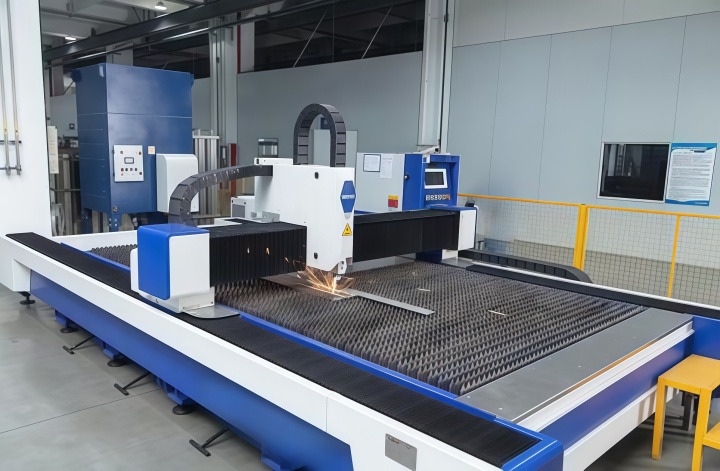
Start by examining the manufacturer's staffing—whether they have in-house mechanical design, electrical controls, and field commissioning teams. Manufacturers that outsource design work often leave you without a decision-maker when problems arise. Request CAD drawings and 3D models as well; those who provide them are confident in their work, while those who hesitate may have something to hide.
On the manufacturing side, prioritize Belt Conveyor Manufacturers that handle laser cutting, roll forming, and MIG/TIG welding in-house. I compared two manufacturers directly: one completed all welding internally, while the other outsourced rollers and frames. The first had delivery punctuality nearly 20 percentage points higher and noticeably fewer quality issues.
To judge frame durability, examine steel thickness and coating—Q235 hot-rolled steel with epoxy electrostatic spraying is the industry standard. For motors, consider brands like Siemens, SEW, or domestic options such as Wannan and Huali. For gearboxes, confirm whether they are planetary or worm-gear types; their service life differs significantly.
What Certifications and Quality Systems Should a Belt Conveyor Manufacturer Have
Certificates should not be judged by wall-mounted copies alone. ISO 9001 is the baseline requirement; CE certification is necessary for EU exports; FDA or HACCP is required for food and pharmaceutical applications. Three other documents provide better insight: material traceability reports, weld inspection reports, and third-party load test results.
A Belt Conveyor Manufacturer willing to proactively provide complete documentation typically demonstrates significantly better cooperation and response speed throughout the partnership. This alone serves as an effective screening signal.
Why Industry Experience and Customization Capabilities Matter
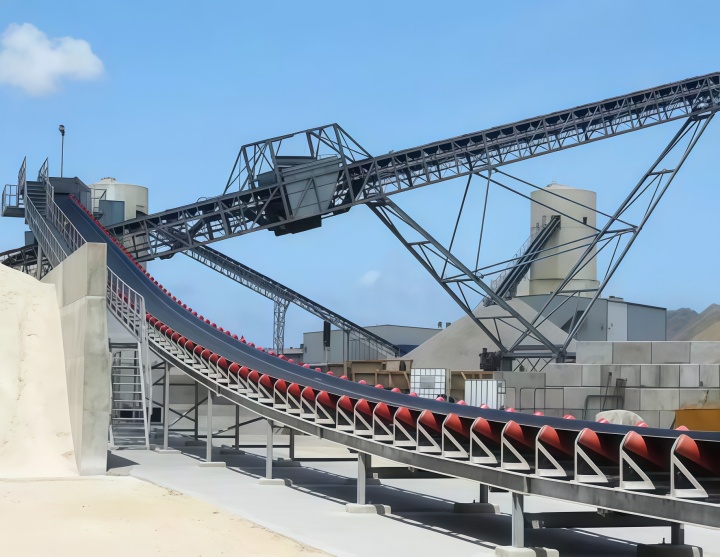
Mining, food processing, and logistics have vastly different requirements for conveyors. Mining demands impact resistance; food processing requires sanitary stainless steel with no residue traps; logistics needs high-speed operation with precise positioning. Industry experience isn't about years listed on a website—it's whether the manufacturer can identify your operational pain points before you even finish describing them.
When screening, request relevant case studies from your industry and contact those customers directly for genuine feedback. Belt Conveyor Manufacturers that only sell standard products and refuse modifications are usually unable to customize, not simply unwilling.
Data-Driven Supplier Comparison: What the Numbers Tell You
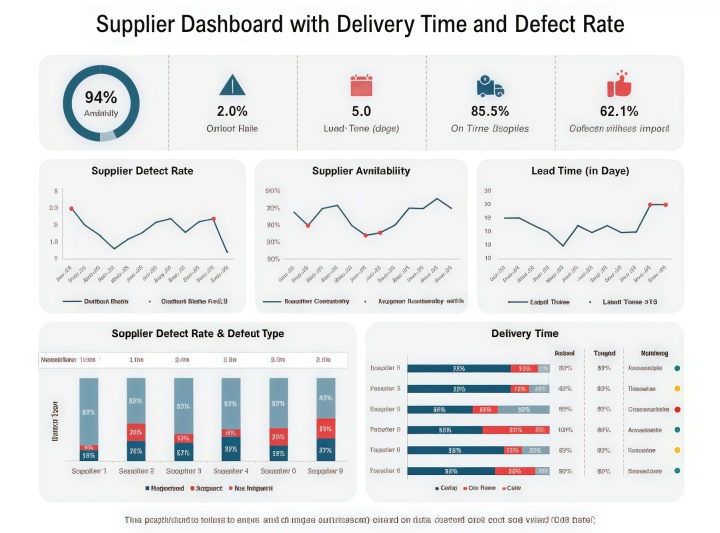
The global belt conveyor system market was valued at $4.84 billion in 2025 and is projected to reach $7.71 billion by 2035. Industry sourcing guides offer several useful benchmarks: on-time delivery rate above 95% is the baseline; below 90% warrants caution. Quote response time exceeding 2 hours often indicates saturated production capacity. Customer reorder rate above 20% suggests satisfactory performance.
Asking about these four numbers gives you a solid picture of a Belt Conveyor Manufacturer's actual standing.
What to Check in After-Sales Support and Delivery Track Record
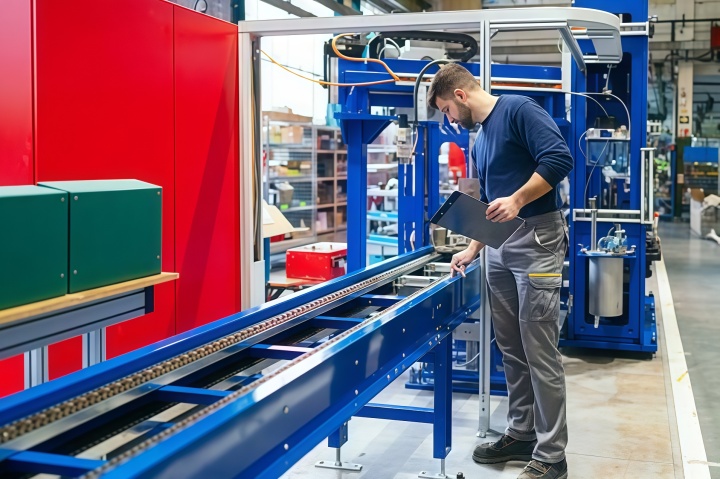
The real test begins after the contract is signed. Equipment lasts for years, and the availability of spare parts and response speed over time are what truly matter. Before signing, clarify: warranty terms, parts delivery lead time, and on-site service charges.
Standard catalog products typically deliver in 1 to 8 weeks; custom conveyors take 8 to 12 weeks. Factory Acceptance Testing is an essential step—it's the final inspection opportunity before the equipment leaves the facility.
Red Flags to Avoid When Vetting a Belt Conveyor Manufacturer
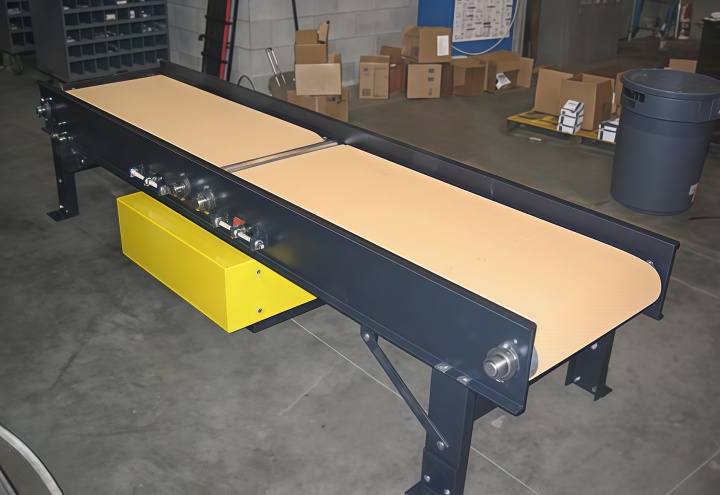
Here are a few pitfalls I've encountered. One manufacturer listed seven or eight certifications on their website, but when I visited and asked for originals, they produced only two expired ISO certificates—the rest were marked as "in progress." Another quoted 20% lower than competitors; upon inquiry, I discovered they were using off-brand motors and substandard rollers.
There is also a category of Belt Conveyor Manufacturer that outsources motors, gearboxes, and belts entirely, handling only assembly. These are essentially assembly workshops. When issues arise, three parties pass responsibility around while you are caught in the middle. Remember this rule before signing: all core component brands and models must be specified in the contract attachments. Vague terms like "standard belt" or "qualified rollers" should never be accepted.
Frequently Asked Questions About Choosing a Belt Conveyor Manufacturer
How long does conveyor delivery typically take?
Standard catalog products ship in 1 to 8 weeks; custom conveyors take 8 to 12 weeks. Ask the manufacturer for their current production schedule for a more accurate estimate.
What if the manufacturer doesn't provide installation?
Most manufacturers supply equipment only. Prefer a Belt Conveyor Manufacturer that offers on-site installation and commissioning services to avoid disputes over responsibility.
How can belt misalignment be prevented from the start?
Install anti-deviation guide strips and use precision bearing alignment during the design stage. A well-structured design naturally reduces the likelihood of misalignment.
What's the catch behind a low-price quote?
Low prices usually correspond to off-brand motors and inferior belts. A reputable Belt Conveyor Manufacturer will clearly specify each component's brand and model upfront.
Closing
These seven dimensions reflect practical evaluation criteria I compiled after visiting factories and comparing data. Equipment lasts for a decade; spending two weeks selecting the right manufacturer is a reasonable investment.
Score potential suppliers against these seven dimensions and look for a manufacturer willing to share production records and put brand and model specifications in the contract—that approach proves more valuable than any sales pitch.