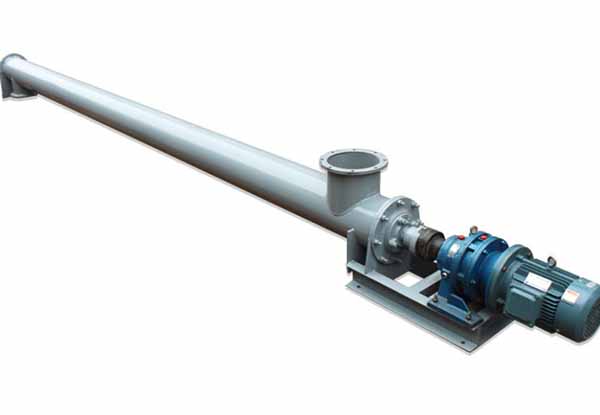
Dust Free Screw Conveyor Machine Manufacturer
The Dust Free Screw Conveyor Machine is a fully sealed conveying device featuring a pipe structure and an air-purged isolation design, preventing ultra-fine powders from escaping into the workshop during transfer.
- Conveying Capacity: 1 m³/h – 50 m³/h
- Pipe Diameter Range: 114 mm – 400 mm
- Sealing System: Air-Purged & Multi-Stage Gland Packing Seals
- Dust Interface: Standard DN80 / DN100 Flange
- Material Options: Carbon Steel / SUS304 / SUS316L (Internal Polish Ra ≤ 0.8 µm)
Dust Free Screw Conveyor Machine Overview
The Dust Free Screw Conveyor Machine is used for the smooth movement of fine powder inside enclosed pipelines, blocking dispersed particles from contacting outside air. The handling capacity of the device is set between 1 and 50 cubic meters per hour, with screw rotation speeds adjusted according to material flow characteristics.
The machine structure includes a seamless steel pipe trough and thickened sealing flanges. Materials selected for the inlet end and conveying pipe include Q235B carbon steel, SUS304, or SUS316L stainless steel. Pipe diameters cover specifications from 114 mm to 400 mm, with wall thickness set between 4 mm and 8 mm based on material abrasiveness. The inner wall is polished to reduce material sticking and accumulation.
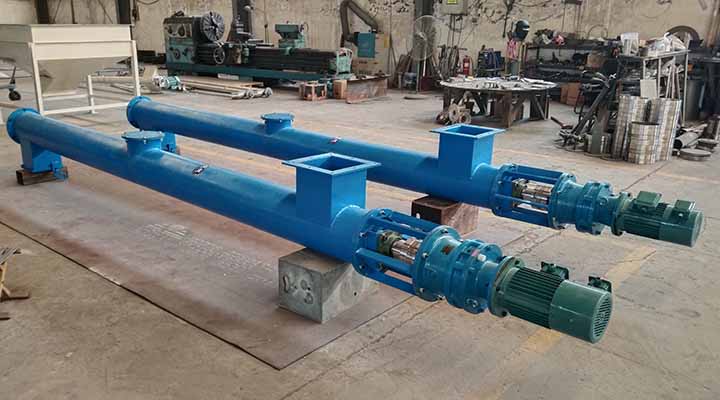
Dust Suppression Scope & Sealed Material Handling
Ultra-fine powders fly easily with air currents in open equipment, causing suspended particulate matter in the workshop to exceed standards and increasing safety hazards of dust explosions. Micron-grade calcium carbonate, titanium dioxide, carbon black, flour, starch, and activated carbon impose clear requirements on airtightness. The Dust Free Screw Conveyor Machine constructs an enclosed conveying cavity to contain dust within the pipeline. Fluoroelastomer sealing gaskets and fastening flanges are configured at pipe joints to prevent dust leakage along seams. The equipment supports connection to central dust extraction ductwork, creating a slight negative pressure inside the pipe cavity to comply with industrial workshop cleanliness and explosion-proof safety standards.
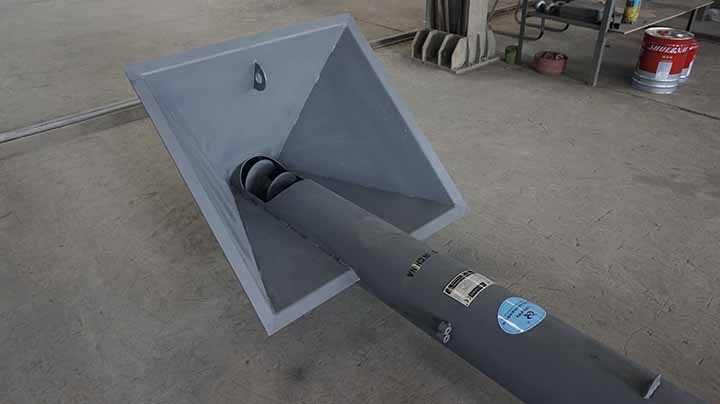
Technical Specifications of Dust Free Screw Conveyor Machine
| Parameter | Specification / Range | Engineering Detail |
| Conveying Capacity | 1 m³/h – 50 m³/h | Volumetric rating based on fine powder bulk density |
| Pipe / Trough Diameter | 114 mm – 400 mm | Heavy-wall seamless pipe design |
| Shaft Seal Configuration | Air-Purged Seals / Packing Seals | Positive pressure gas barrier prevents particle leakage |
| Dust Collector Port | DN80 / DN100 Flange | Fits local or central vacuum exhaust fittings |
| Main Material Grade | SUS304 / SUS316L / Carbon Steel | Internal mechanical polish up to Ra ≤ 0.8 µm |
| Explosion-Proof Rating | Ex d IIBT4 / DIP A21 | Configured with dust-ignition proof drive motors |
Working Principle: Sealed Conveying & Air-Purged Sealing
The Dust Free Screw Conveyor Machine relies on the rotating mechanical force of the screw within the sealed pipe cavity to push materials forward smoothly. Functioning as an enclosed spiral screw conveyor, the rotating flight continuously advances fine powder along the pipe wall while the seamless round pipe prevents particles from splashing outward.
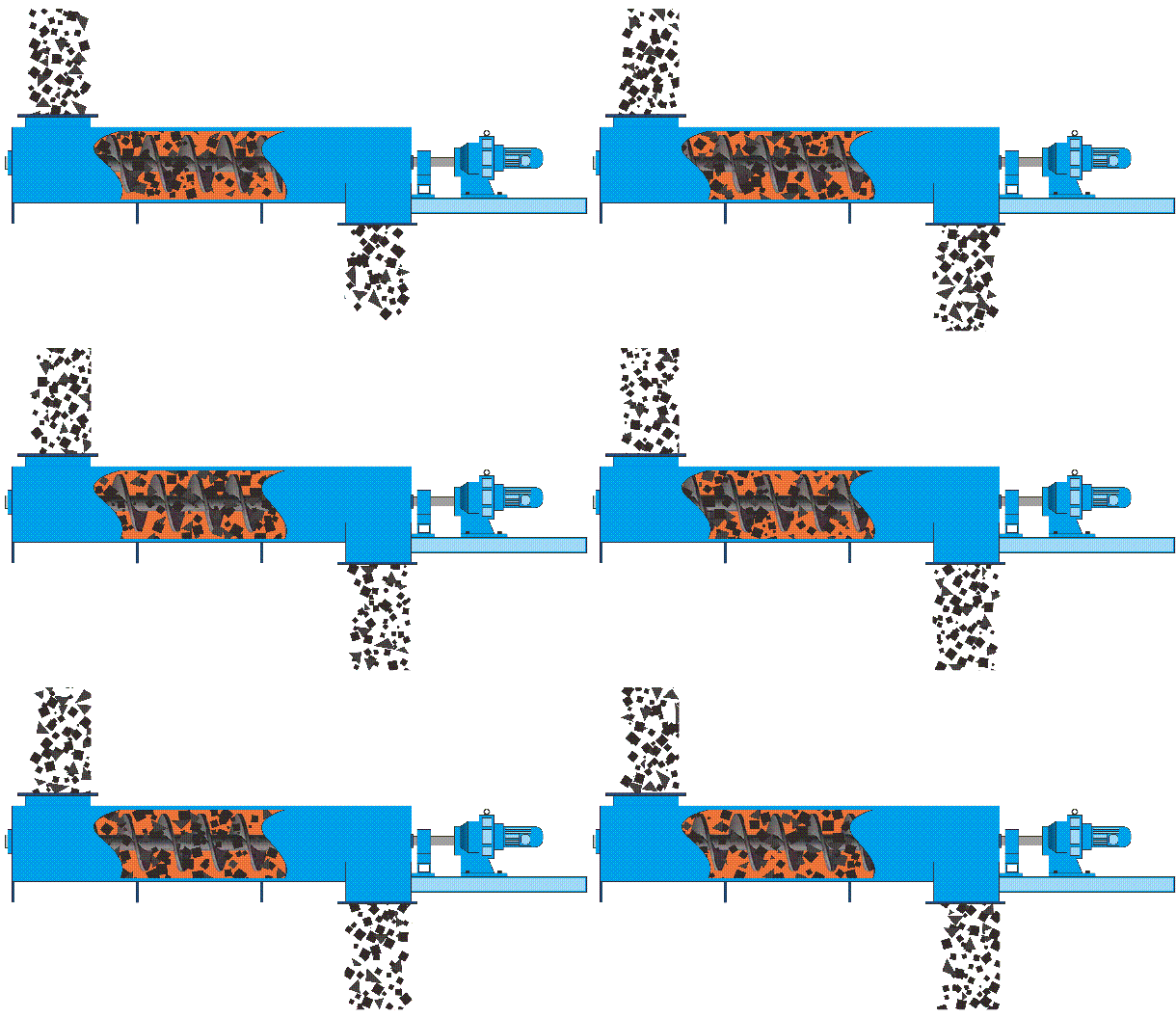
Air-purged sealing devices are installed at the drive end and tail bearing housings, injecting dry compressed air into the seal chamber at a pressure 0.05 MPa to 0.1 MPa higher than the internal pipe pressure. This creates a gas barrier to block micron-sized powders from penetrating the bearing raceways. Materials achieve a continuous advancing state similar to spiral flow conveyors within the sealed pipeline. The system provides a suction flange port connected to exhaust equipment to maintain a slight negative pressure inside, delivering a dust-free transport process similar to a spiroflow conveyor.
Dust Free Screw Conveyor vs. Standard Screw Conveyor
| Comparison Dimension | Dust Free Screw Conveyor | Standard Screw Conveyor |
| Sealing Architecture | Seamless pipe with air-purged seals | Open U-trough with basic cover plate |
| Environmental Impact | Zero dust leakage around shaft ends | Dust escaping from trough gaps and seals |
| Dust Collector Interface | Built-in DN80/DN100 suction flanges | No dedicated vacuum connections |
| Explosion Hazard Mitigation | ATEX dust-ignition proof motors and grounding | Standard industrial drive configuration |
| Internal Surface Finish | Mirror polish Ra ≤ 0.8 µm prevents cling | Standard mill finish on inner walls |
| Bearing Protection | External pillow blocks with gas purging | Internal or non-purged end bearings |
Sealing Engineering & Manufacturing Quality
Shaft end sealing offers multiple options combining gland packing seals and air-purged seals. The gas purging system introduces dry nitrogen or compressed air, establishing a pressure differential to block powder micro-particles.
For operating conditions requiring frequent material changes, the trough cover plates utilize quick-release clamps and hand-bolt fastening assemblies, allowing disassembly and cleaning without relying on complex tools. The stainless steel trough interior is polished to Ra ≤ 0.8 µm, and the screw flight edges are ground and polished, eliminating dead zones and residue attachment points to facilitate cleaning and dry maintenance.
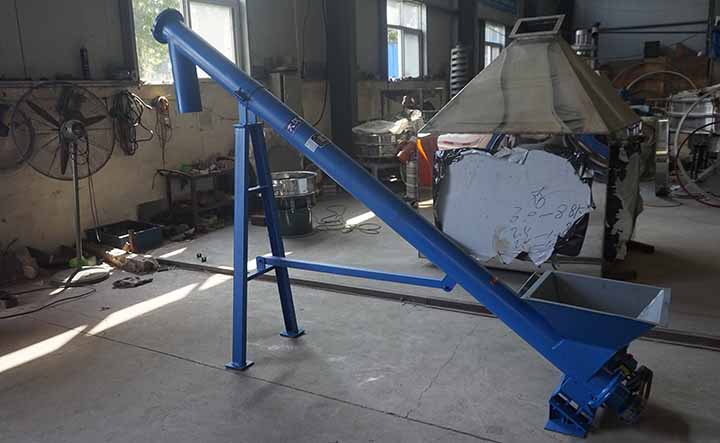
Industrial Applications & Dust-Free Solutions
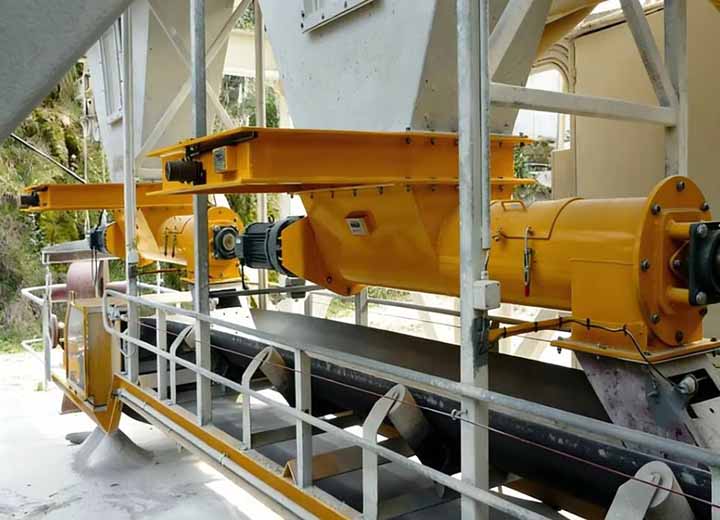
The equipment is installed in fine chemical ultra-fine powder metering and batching lines, battery material plant positive/negative powder sealed transfer sections, food processing plant flour and starch dust-free weighing and feeding stages, and environmental engineering fly ash and activated carbon sealed dosing systems. In automated batching conditions, paired with pneumatic shut-off valves and level sensors, the equipment prevents dust generation caused by material drop heights, maintaining workshop air quality.
8. Frequently Asked Questions
Q: How does a dust free screw conveyor prevent fine powder leakage at the shaft ends?
The shaft ends utilize a dual barrier of gas purging and packing seals. The air-purged interface continuously injects dry gas into the seal chamber at a pressure higher than inside the pipe, forming a positive pressure gas cushion that blocks micron-level particles from passing through the seal gap into the bearing housing.
Q: What is the main difference between an enclosed spiral screw conveyor and an open trough conveyor?
The enclosed type uses seamless round pipes or thickened sealed troughs equipped with air-sealed bearing housings and dust extraction ports to lock dust inside the cavity. Open U-troughs have low cover sealing grades and lack gas barriers, making it easy for dust to escape into the workshop.
Q: Can the dust free screw conveyor machine be integrated with an external dust collector?
Yes. The equipment reserves DN80 or DN100 suction flange ports near the inlet and outlet, connecting directly to the central workshop dust extraction system to establish a slight negative pressure inside the pipe cavity and draw away floating dust.
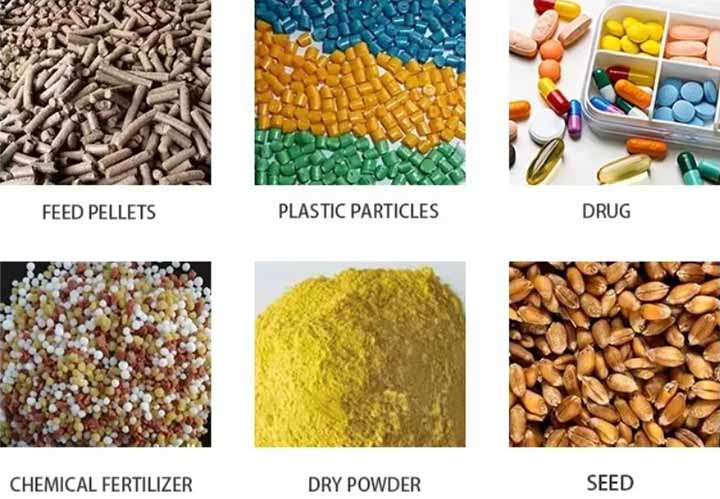
The Dust Free Screw Conveyor Machine uses a fully sealed pipe structure combined with gas-purged shaft seal assemblies to prevent micron-grade ultra-fine powders from escaping during transport. The equipment resolves issues of excessive suspended particles in powder workshops and dust explosion risks, improving physical control during material transfer. By featuring DN80 suction interfaces, quick-release cleaning clamps, and Ra ≤ 0.8 µm polished troughs, the equipment adapts to dust-free operating scenarios in fine chemicals, battery materials, and food powders. Available in pipe diameter specifications from 114 mm to 400 mm and conveying ranges from 1 m³/h to 50 m³/h, it reduces workplace dust concentration as well as equipment cleaning and maintenance difficulty.
Sugested Products
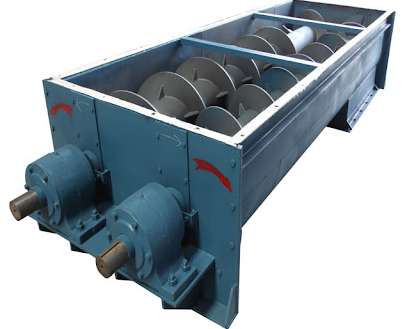
Twin Screw Mixer
Inclined Screw Conveyor
Sludge Screw Conveyor
Garbage screw conveyor