Iron Ore Vibrating Feeder Price
Monday October-12 2026 10:01:27
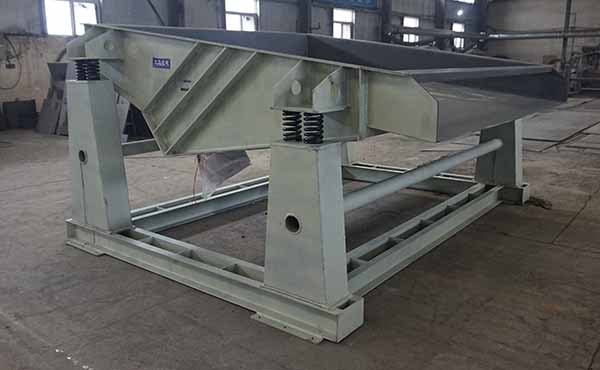
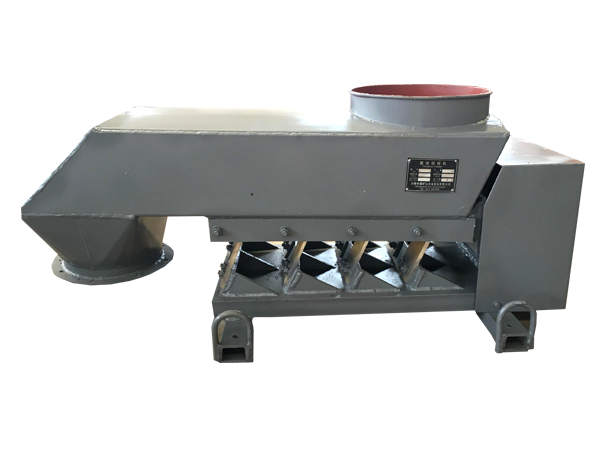
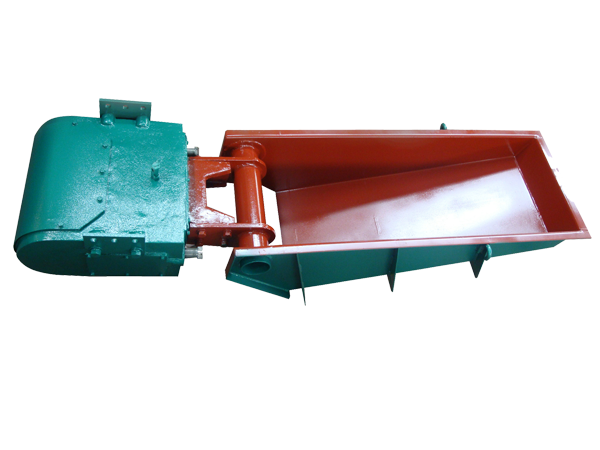
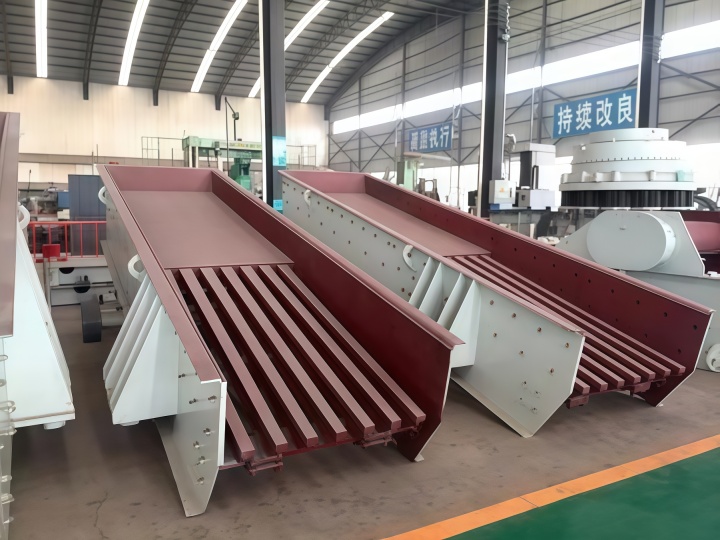
An Iron ore vibrating feeder is a feeding device used in mining crushing and screening processes. It transfers iron ore at a controlled rate to downstream equipment. Since iron ore usually has high density, large particle sizes and strong abrasion characteristics, the equipment needs to have suitable load-bearing capacity and wear resistance.
In the global mining equipment market, Iron Ore Vibrating Feeder Price does not have a fixed standard. Equipment pricing is mainly affected by factors such as feeding capacity, maximum feed size, structural design, wear protection and operating conditions.
According to publicly available equipment information, standard mining vibrating feeders are usually priced at several thousand dollars, while heavy-duty equipment used in large iron ore processing plants may require higher investment due to larger capacity requirements, reinforced structures and customized configurations.
Therefore, buyers should not compare quotations only by the final price. Equipment specifications and application requirements should also be considered when evaluating whether a solution matches project conditions.
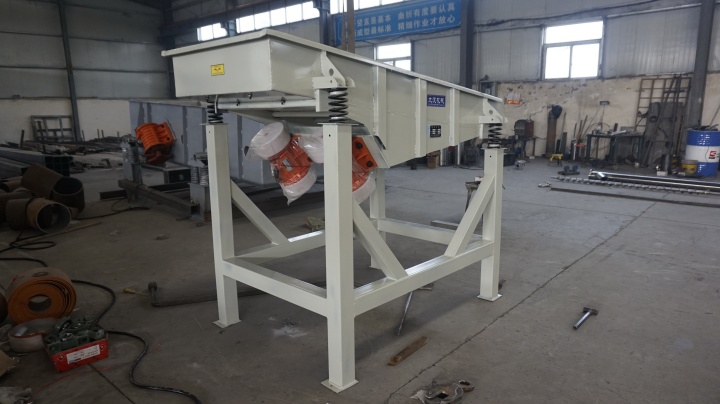
Iron Ore Vibrating Feeder Price Factors
The factors affecting iron ore vibrating feeder pricing mainly come from processing capacity, material characteristics and operating conditions. Different mining projects have different production requirements and site conditions, which lead to differences in equipment structure and configuration.
Feeding Capacity
Feeding capacity is an important factor affecting equipment specifications.
Small production systems usually require lower feeding capacity, while large iron ore projects may require equipment capable of handling hundreds of tons per hour or more.
For example, publicly available technical specifications of some ZSW series vibrating feeders show:
- ZSW-600×130 model: approximately 400-560 TPH capacity;
- ZSW-600×180 model: approximately 700-1200 TPH capacity.
When feeding capacity increases, the equipment usually requires a larger trough, stronger structure and higher power configuration, which affects the overall equipment investment.
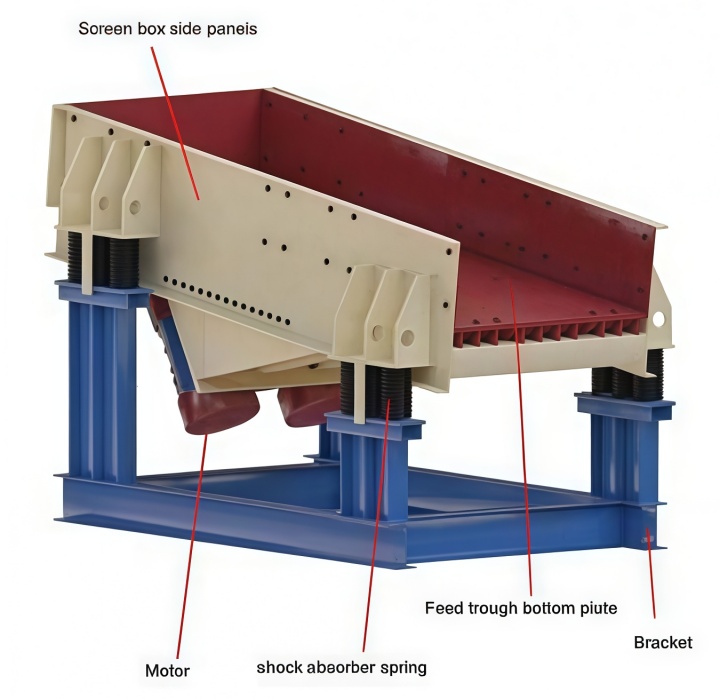
Maximum Feed Size and Wear Protection
Maximum feed size and wear protection influence whether the equipment can adapt to iron ore processing conditions. Larger ore particles and continuous operating environments require stronger structural design and better wear resistance.
If the raw ore contains large blocks, the feeder usually requires:
- Stronger impact resistance structure;
- Thicker wear-resistant components;
- Higher load-bearing capability.
Wear protection is also an important factor affecting equipment quotation.
For mining projects with continuous operation requirements, additional wear protection may increase initial investment but can help reduce later maintenance workload.
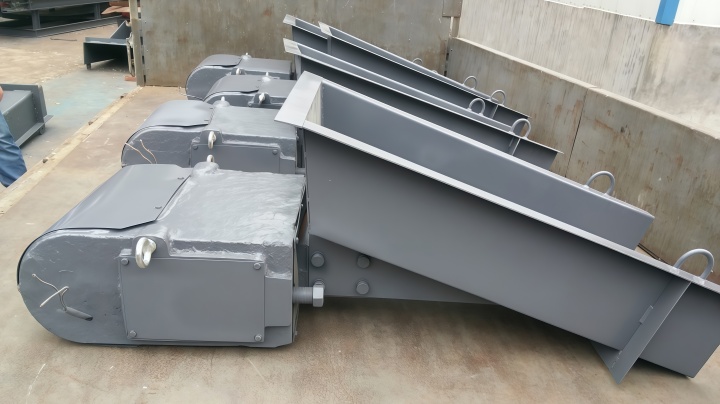
Iron Ore Vibrating Feeder Price Range by Application
Different application scenarios have different mining scales, operating conditions and equipment requirements. Therefore, the price range of iron ore vibrating feeders varies depending on the project environment. The following classification can help buyers make an initial assessment based on project scale.
| Application | Typical Capacity | Main Cost Difference |
| Small mining systems | Around 100-300 TPH | Standard structure and basic configuration |
| Medium mining operations | Around 300-800 TPH | Stronger frame and improved wear protection |
| Large iron ore plants | 800 TPH and above | Heavy-duty design and customized engineering |
The above ranges are only for initial purchasing reference. The actual quotation still depends on equipment size, material requirements and site conditions.
How to Judge Whether an Iron Ore Vibrating Feeder Price Quotation Is Reasonable
Different suppliers may provide different quotations, and price differences usually come from variations in technical specifications, configuration standards and equipment design. When comparing quotations, buyers should review both equipment parameters and included components instead of judging only by the final price.
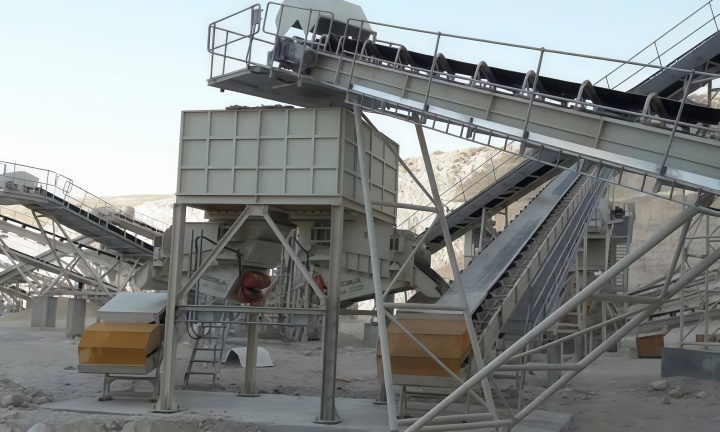
Equipment Specifications
Confirm whether different quotations are based on the same parameters:
- Feeding capacity
- Maximum feed size
- Motor power
- Equipment dimensions
If specifications are different, the prices cannot be directly compared.
Included Configuration
Buyers should confirm whether the quotation includes:
- Main equipment;
- Drive system;
- Supporting structure;
- Wear parts configuration.
Some quotations may use basic configurations, while iron ore applications may require higher wear protection levels.
How to Select the Right Iron Ore Vibrating Feeder
Selecting an iron ore vibrating feeder requires consideration of production requirements, ore characteristics and operating conditions. Proper selection helps match equipment configuration with actual project needs.
The main factors include:
Production Capacity
The feeding capacity should match the requirements of the crushing system to avoid affecting the overall production process.
Ore Characteristics
Different iron ores have different hardness, particle sizes and abrasion levels, requiring suitable structural designs.
Operating Environment
For equipment operating under continuous production conditions, structural strength and maintenance convenience should be considered.
A suitable selection approach is more important than choosing equipment based only on the initial quotation.
Technical Specifications Affecting Iron Ore Vibrating Feeder Price
Technical specifications directly influence equipment structure, manufacturing requirements and final quotation differences. When comparing different vibrating feeder models, buyers need to evaluate whether the parameters match the actual iron ore processing conditions.
The following specifications are commonly used to evaluate equipment configuration and pricing differences:
| Technical Parameter | Typical Range / Example | Impact on Equipment Selection |
| Feeding Capacity | Around 100-1200 TPH depending on model | Higher capacity usually requires larger structure and stronger components |
| Maximum Feed Size | Around 500-1200 mm for different mining applications | Larger feed size requires stronger impact resistance design |
| Motor Power | Varies according to feeder size and capacity requirements | Affects vibration force and equipment configuration |
| Equipment Dimensions | Depends on trough size and installation requirements | Influences material handling capability and site compatibility |
| Wear Protection Level | Different grades based on ore abrasiveness | Affects maintenance requirements and suitable operating conditions |
For example, equipment handling large iron ore particles usually requires stronger load-bearing structures and more wear-resistant components, while equipment handling smaller materials may use different configurations.
Therefore, when evaluating Iron Ore Vibrating Feeder Price, technical specifications should be considered together with actual application conditions rather than comparing quotation values alone.
Global Factors Affecting Iron Ore Vibrating Feeder Price
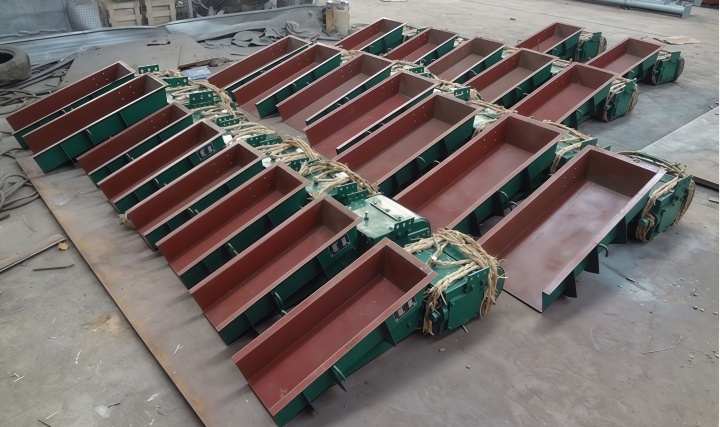
Mining projects in different regions may have different equipment requirements due to variations in production conditions, operating environments and project standards.
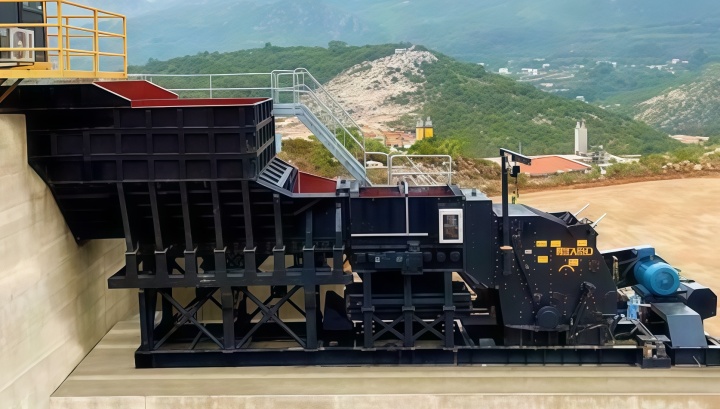
Large open-pit iron ore operations usually focus on equipment structure and operating conditions, while some medium-scale mining projects may pay more attention to installation requirements and maintenance convenience.
Therefore, equipment with similar capacity may have different configurations depending on the project location and application environment.
FAQ About Iron Ore Vibrating Feeder Price
What Factors Affect Iron Ore Vibrating Feeder Price the Most?
Feeding capacity, maximum feed size and wear protection are common factors affecting equipment pricing. Large continuous production projects usually require stronger structures and different configuration levels.
Why Do Two Suppliers Offer Different Iron Ore Vibrating Feeder Price Quotes?
Different quotations may include different material standards, structural designs, motor configurations and wear protection levels. Technical specifications should be compared instead of only looking at the final quotation.
How Can Buyers Control Iron Ore Vibrating Feeder Price During Purchasing?
Providing accurate information about production requirements, material size and operating conditions can help avoid unsuitable equipment configurations and additional investment caused by specification differences.
Is a Lower Iron Ore Vibrating Feeder Price Always Better?
Not necessarily. Iron ore applications require consideration of equipment structure, maintenance requirements and operating conditions rather than only the initial quotation.
Conclusion
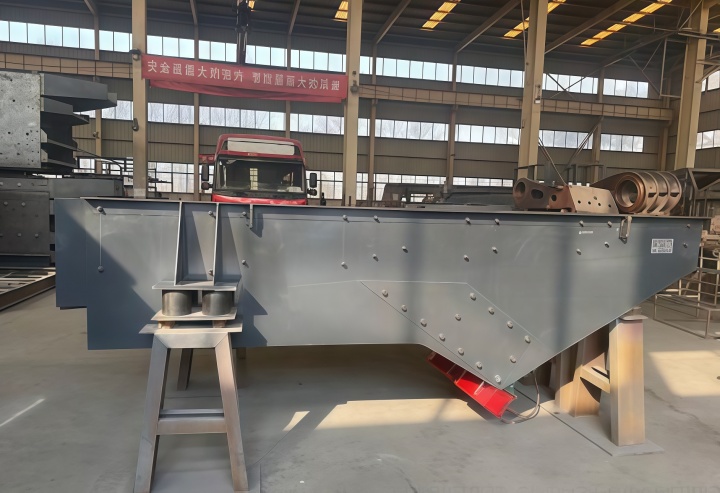
Iron Ore Vibrating Feeder Price is influenced by multiple factors and does not have a single fixed value. Feeding capacity, material characteristics, wear requirements and equipment configuration all affect the final quotation.
When selecting equipment, the focus should be on matching production requirements, operating conditions and maintenance considerations. By reviewing technical specifications and comparing different solutions, project teams can choose equipment that is more suitable for their application environment.