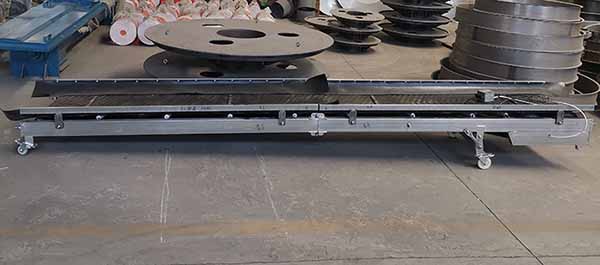
Scrap Metal Belt Conveyor Manufacturer | Heavy-Duty Conveyor System
Scrap metal belt conveyors can be used in CNC machining centers, metal stamping plants, and automotive dismantling and recycling.
Overview of Scrap Metal Belt Conveyor
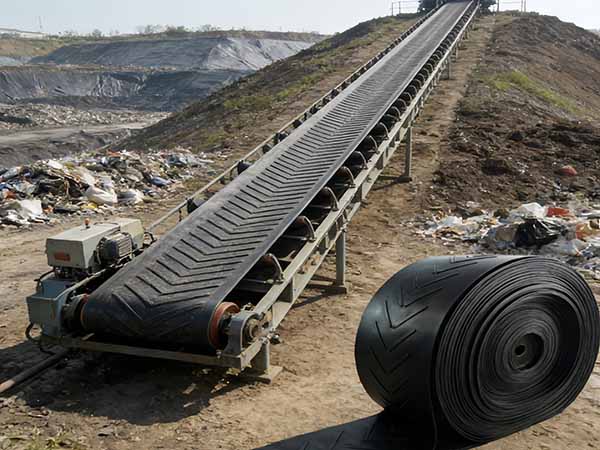
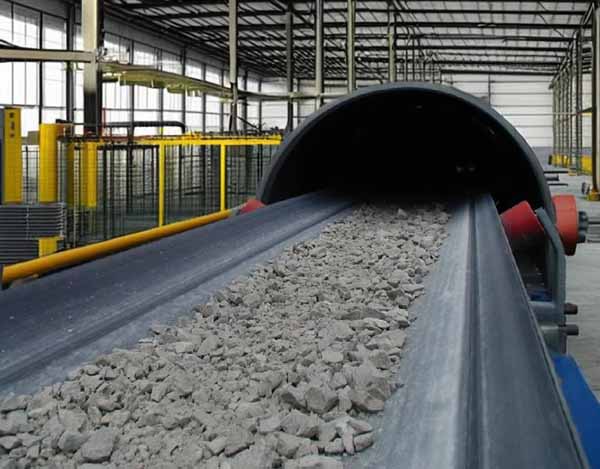
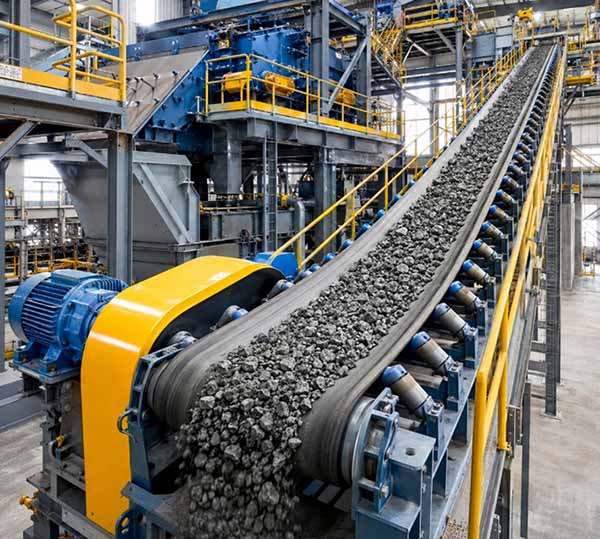
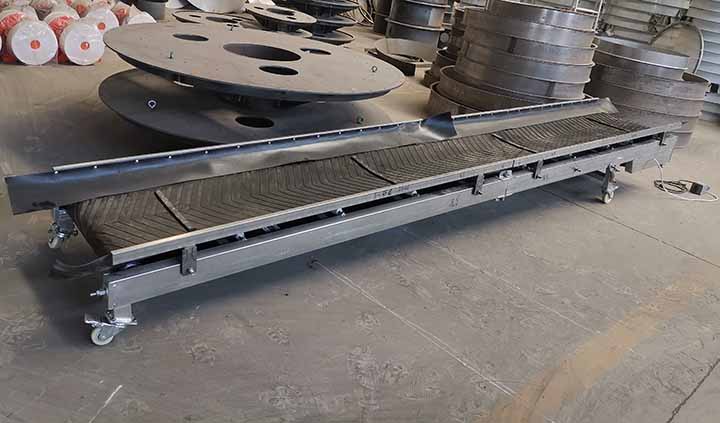
A scrap metal belt conveyor is a continuous mechanical transport system designed to move sharp, abrasive, and high-density metal scrap from production workshops to collection bins or recycling hoppers. The transported material has distinct characteristics: high bulk density, sharp edges, and residual synthetic cutting fluid or lubricant on the surface.
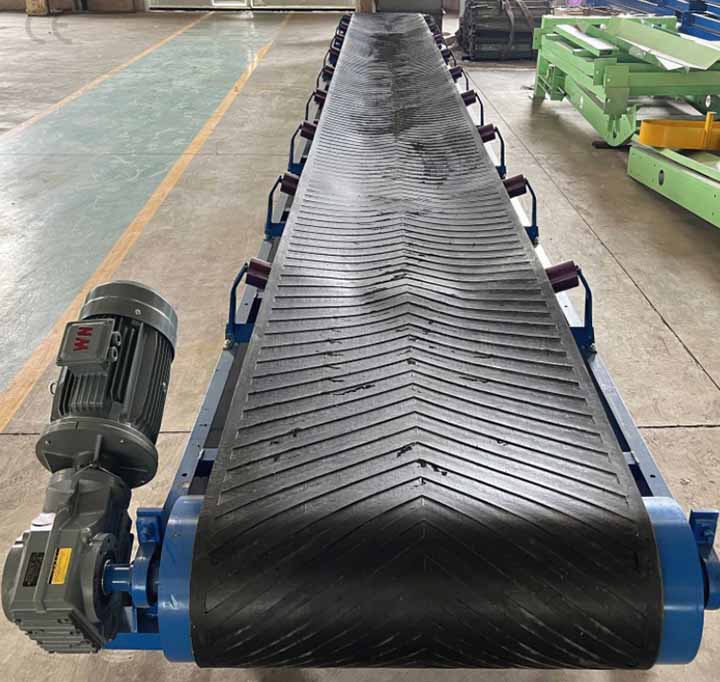
The system's volumetric conveying capacity ranges from 1 ton per hour in small machining workshops to 30 tons per hour in large scrap yard shredders. To withstand severe impacts, the frame is constructed from 6 mm to 10 mm thick carbon steel plates. The carrying medium consists of high-load nitrile rubber with a wire mesh reinforcement layer or interconnected steel chain plates, capable of resisting punctures from sharp metal fragments.
Benefits of Using Scrap Metal Belt Conveyors
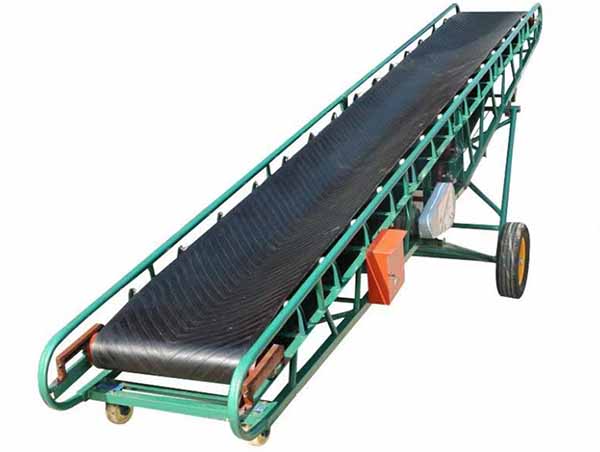
Using scrap metal belt conveyors automates scrap collection, eliminating the need for manual shovel cleaning of sharp metal shavings from machine tool collection tanks, reducing labor intensity and improving personal safety. Meanwhile, the equipment integrates a single-piece liquid collection tray at the bottom, which can completely collect residual cutting oil dripping during the process and guide it back to the filter tank for recycling, achieving effective resource recovery. This belt conveyor system supports inclined configurations, enabling vertical lifting and conveying of metal materials at large angles, reducing the space occupied by the equipment on the ground, thus freeing up workshop floor space for forklift access and flexible placement of other production machinery.
Technical Parameter Table
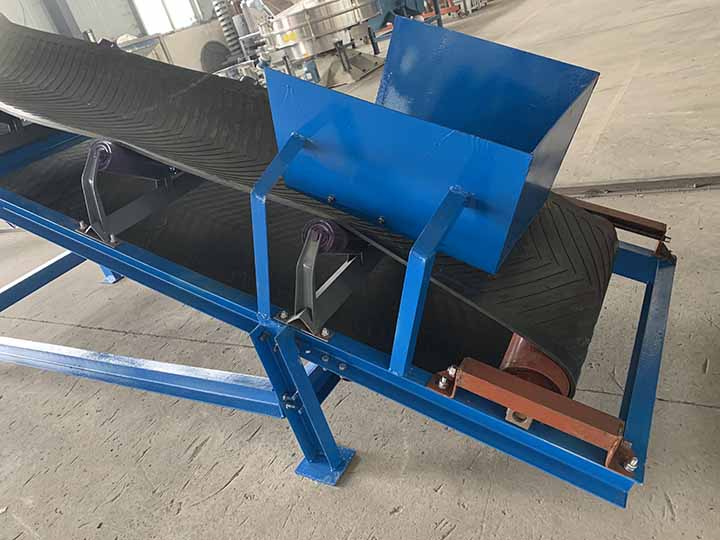
The following table lists standard engineering configurations suitable for different conveying capacity requirements.
| Parameter | Light-duty Model | Medium-duty Model | Heavy-duty Model |
| Belt Width (mm) | 400 | 800 | 1200 |
| Conveying Capacity (t/h) | 1 - 3 | 5 - 12 | 20 - 30 |
| Motor Power (kW) | 1.5 | 4.0 | 7.5 |
| Belt Material | Wire mesh reinforced nitrile rubber | Hinged steel chain plate | Reinforced steel trough |
| Maximum Inclination Angle | 25° | 35° | 45° (with baffles) |
| Driving Speed (m/s) | 0.15 | 0.25 | 0.40 |
Custom Case Study
An automotive parts supplier experienced factory shutdowns every 45 to 60 days due to steel scrap frequently puncturing standard conveyor belts. To meet the need to lift materials to a 3-meter-high outdoor hopper, the factory customized a 14-meter-long conveyor with a 35-degree inclination.
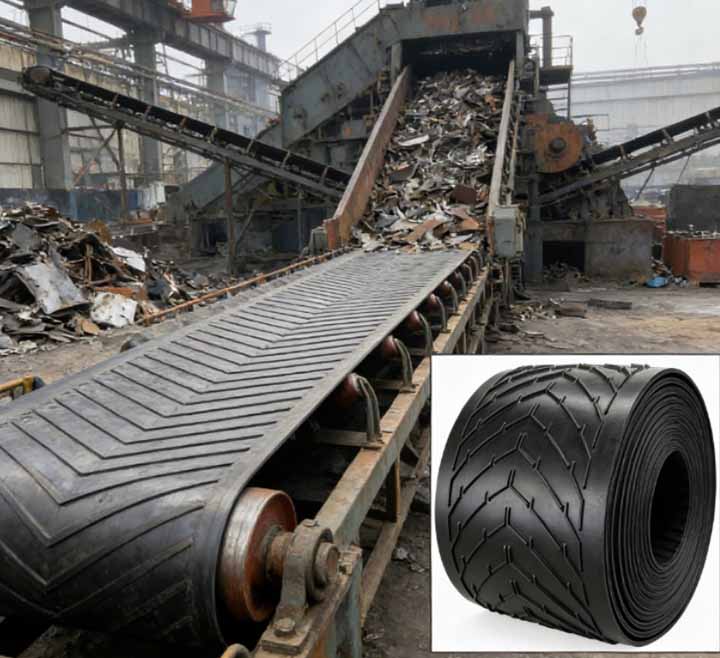
This equipment uses a 6-layer steel wire rope core reinforced rubber belt and is equipped with steel baffles spaced 300 mm apart and 50 mm high to prevent oily blanks from sliding down. The bottom liquid collection tank can guide 120 liters of cutting fluid back to the central filtration system weekly. After 24 months of continuous operation, the belt achieved zero punctures, ensuring daily production targets were met without downtime.
How much does a scrap metal belt conveyor cost?
The initial investment for a scrap metal belt conveyor varies depending on size and load requirements. Base prices for common standard configurations are approximately $4,500 to $6,800 for the light-duty SMC-400, $9,500 to $14,000 for the medium-duty SMC-800, and $22,000 to $35,000 for the heavy-duty SMC-1200. The final price is influenced by engineering factors. For example, upgrading from carbon steel to 304 stainless steel in corrosive environments can increase frame costs by approximately 45%; using a Nord or Sumitomo motor with a variable frequency drive can add a $1,050 to $2,500 fluctuation compared to a standard geared conveyor; and longer paths and higher inclination angles require heavier support beams and higher torque motors, thus increasing the overall cost.
Frequently Asked Questions
Q: How to prevent sharp metal debris from getting stuck on the conveyor rollers?
A: The system is equipped with a continuous brass scraper at the discharge head and an internal V-shaped plow-type cleaner near the tail roller. These components mechanically remove residual particles, preventing them from entering the return section and getting stuck between the belt and the steel roller surface.
Q: Can rubber belts handle hot metal fragments falling directly from welding or laser cutting processes?
A: Standard nitrile rubber will degrade if the material temperature exceeds 120°C. For applications involving thermal effects, such as laser slag or welding waste, rubber belts are replaced with articulated steel chain plates rated to withstand materials up to 450°C.
Q: What maintenance schedule must be followed to avoid unexpected failures?
A: Bearings require grease injection every 200 hours of operation. The tension of the drive chain should be checked monthly, and the liquid collection tray needs to be manually cleaned every 90 days to prevent accumulated metal sludge from clogging the drain.
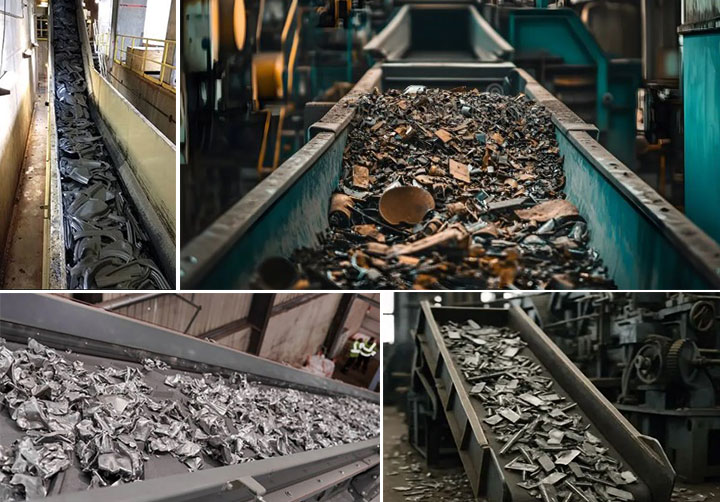
Managing sharp waste requires a structural design capable of withstanding abrasive wear and high impact forces. Scrap metal belt conveyors solve this material handling challenge in stamping, machining, and automotive recycling plants. By matching specific parameters to the specific tonnage and material characteristics of the waste flow, industrial plants can achieve continuous operation, recover valuable lubricants, and maintain clean workshop floors.