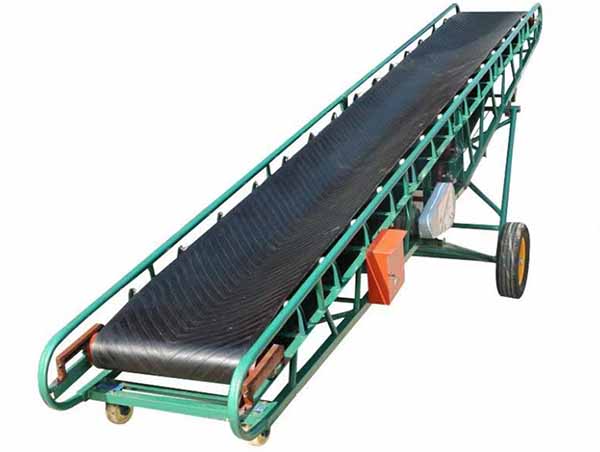
Portable belt conveyor system
Portable belt conveyor systems are widely used for continuous conveying of bulk materials such as stones, sand, ore and gravel in mines, quarries, construction sites and material yards. Prices typically range from $2,800 to $45,000.
Conveying width: 500-1400mm
Conveying capacity: 50-800 tons/hour
Conveying length: 2-60m
Belt speed: 0.8-2.5 m/s
Motor power: 3-75kW
Portable Belt Conveyor System: Models, Applications & Buying Guide
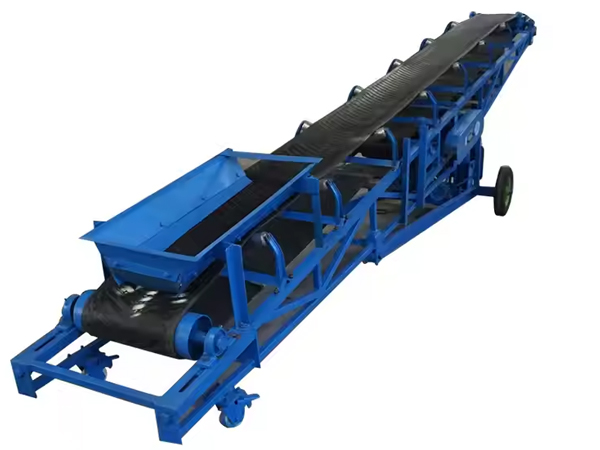
Portable belt conveyor systems, as mobile mechanical devices, are commonly used to meet the needs of continuous material transport. They rely on an electric motor to drive a transmission drum, using a rubber or PVC conveyor belt as the load-bearing and traction component. Through continuous circulating friction, materials are transported from a low or distant location to their destination.
Portable belt conveyor system is a mobile material handling solution for loading, unloading, and transferring bulk materials such as sand, gravel, coal, grain, and chemicals. This page covers working principle, application scenarios, structural components, model parameters, selection guide, price factors, and FAQs. Capacity: 30–150 t/h; belt width: 500–800 mm; incline: 0–25°.
The equipment's hourly material transport capacity ranges from 30 to 150 tons. In terms of the buyer's workshop production rhythm, this means that what would have required 5 workers to continuously handle bulk materials for 4 hours can now fill a 9.6-meter-long container truck in 20 minutes, directly shortening the material turnover cycle and eliminating loading and unloading operations as a bottleneck in the production line.
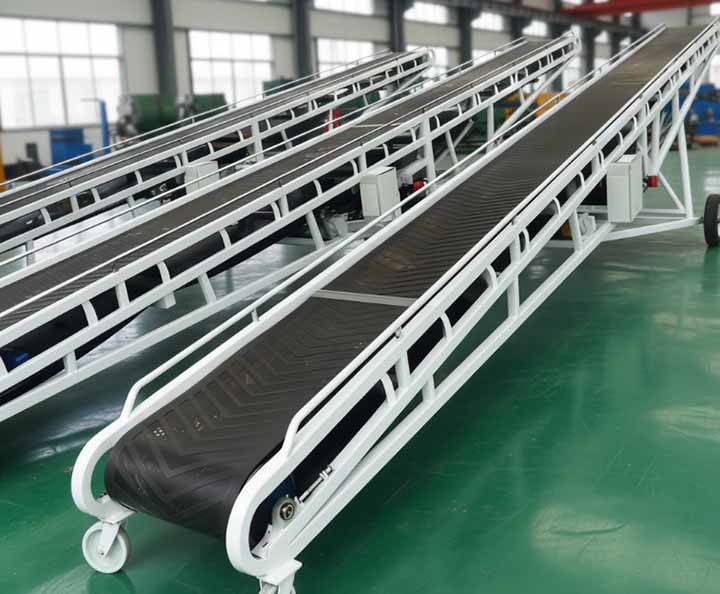
Application Scenarios of Portable Belt Conveyor Systems
In the field, bulk cargo terminals, and various transit warehouses, traditional fixed conveyor lines cannot adapt to frequently changing work locations, resulting in large amounts of material accumulation. The following are the actual pain points that this equipment solves in three specific scenarios:
Open-air sand and gravel quarries
Scenario: After blasting or mining, the material accumulation points at sand and gravel plants change every few days.
Solution: The equipment base is equipped with 400mm diameter all-terrain heavy-duty pneumatic tires, allowing it to be towed to new stockpiling points using forklifts or tractors, eliminating the civil engineering costs associated with rebuilding foundations and securing bolts for fixed conveyors.
Port Terminal Bulk Cargo Loading
Scenario: After ships dock, coal or grain needs to be quickly transferred to trucks. Manual loading with shovels easily causes port delays.
Solution: A hydraulic pump-driven lifting frame allows the front end of the conveyor belt to extend directly above the truck bed, allowing materials to slide smoothly down the belt, avoiding splashing and repeated loading and unloading.
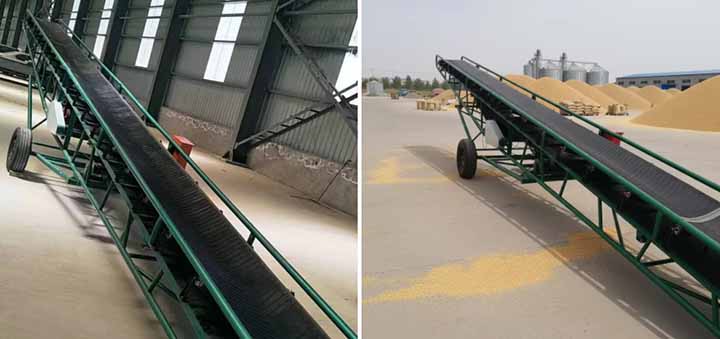
Grain Warehouse Storage
Scenario: When dumping wheat, soybeans, and other grains into elevated silos, the fluidity of the bulk material causes ordinary flat conveyor belts to cause the grain to roll backward at steep angles.
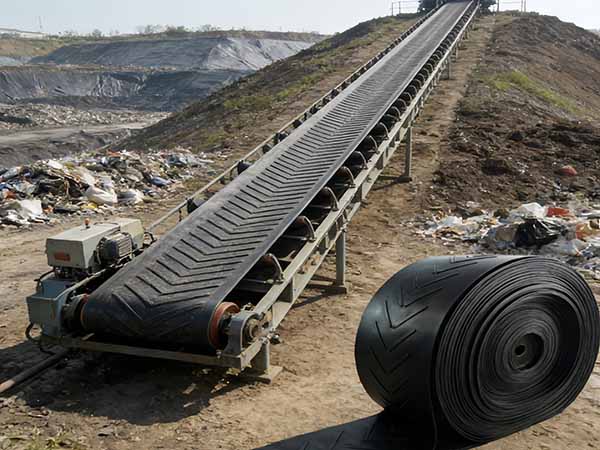
Solution: Using a non-slip conveyor belt with herringbone strips ensures that the material can be held even at a 22-degree angle, steadily delivering the grain into the elevated silo.
What are the benefits of using a portable belt conveyor system?
The portable belt conveyor's steel frame employs a truss design. This structure significantly reduces the equipment's weight while maintaining overall rigidity. When bearing heavy loads, the truss evenly distributes vertical pressure across all nodes, preventing beam bending and deformation caused by prolonged exposure to sunlight or heavy loads. For drop-sensitive materials, the equipment features an adjustable deceleration device at the discharge end. When conveying chemical granules or fragile finished products, engineers can reduce the height of the hydraulic supports to shorten the drop distance from the belt end to the container bottom. This keeps the material breakage rate below 0.2%, preventing particles from colliding and breaking, thus avoiding economic losses due to finished product damage.
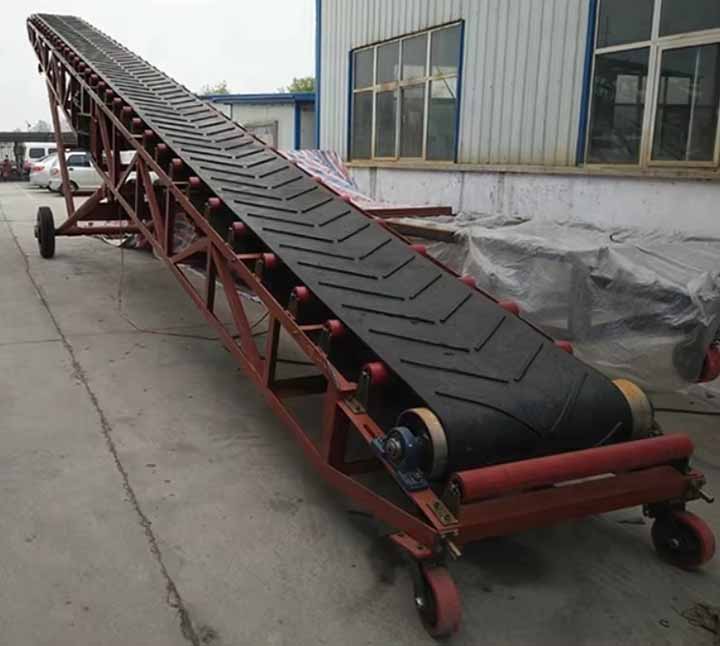
Field Application Data
In a Southeast Asia sand and gravel yard, a PBC-800 with 800 mm belt and 7.5 kW motor conveyed about 120 t/h of wet sand at a 20° incline. The site moved the conveyor every 3–5 days with a forklift. After 6 months, the main wear point was the tail roller seal; the upgraded model now uses a double-lip seal. In a grain warehouse, a PBC-650 with herringbone cleated belt held wheat at 22° without rollback and filled an elevated silo at 80 t/h.
Portable Belt Conveyor System Structural Components
The portable conveyor belt is composed of the following specific mechanical components, the materials used and design standards of which directly determine its durability and operational safety.
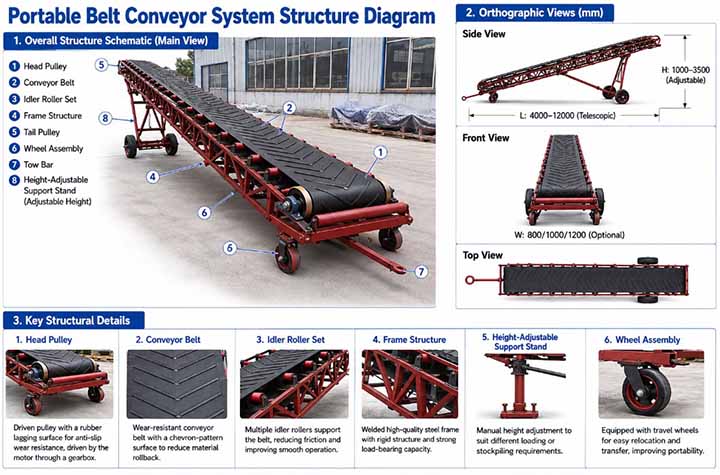
Conveyor Belt and Roller Assembly: Utilizing a 3-layer fabric core rubber belt, 8mm thick, it possesses scratch-resistant properties, making it resistant to tearing even when conveying ores with sharp edges. The drive rollers have a herringbone rubber coating to increase friction and prevent belt slippage in wet or dusty environments.
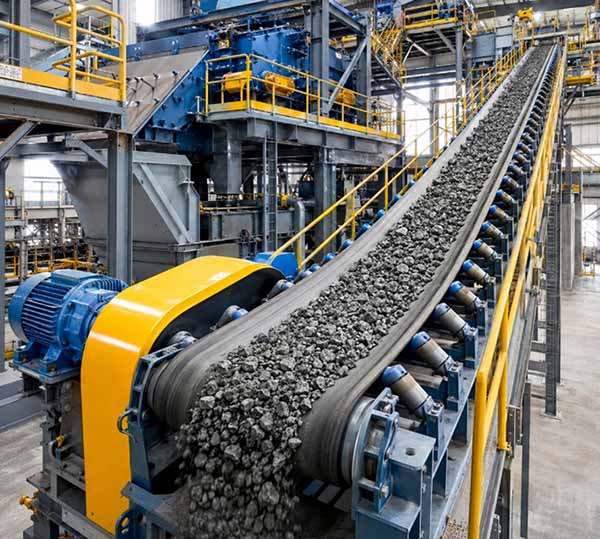
Drive Power System: Equipped with a fully enclosed outdoor motor with an IP55 protection rating. The motor housing is made of cast iron, preventing rainwater and fine dust from entering the internal windings, allowing continuous operation in environments ranging from -15°C to 40°C.
Safety Protection Devices: Steel protective netting is installed along both sides of the frame, covering the rotating idlers and roller contact points to prevent clothing or arms from being caught while the operator is walking. A red mechanical emergency stop button is installed on the distribution box; its internal circuitry is directly connected to the main power contactor, and pressing it cuts off the current within 0.5 seconds, forcibly stopping the entire belt operation.
Model Parameter Table
| Model | Belt Width | Length | Capacity | Incline Angle | Motor Power | Lift Type |
| PBC-500 | 500 mm | 5 m - 12 m | 30 - 60 t/h | 0° - 22° | 2.2 kW - 4.0 kW | Hand Crank / Hydraulic |
| PBC-650 | 650 mm | 10 m - 18 m | 60 - 100 t/h | 0° - 22° | 4.0 kW - 5.5 kW | Electric Hydraulic Power Unit |
| PBC-800 | 800 mm | 15 m - 25 m | 100 - 150 t/h | 0° - 25° | 5.5 kW - 7.5 kW | Heavy-Duty Double Cylinder Hydraulic |
Note: If the above models do not meet your working conditions, please contact our engineers for a customized solution.
Portable Conveyor Belts for Sale
The price range for a common model of a portable conveyor system is typically between $2,750 and $14,500. Due to varying operating conditions in each factory, the specific cost is influenced by several key technical factors:
Conveying Distance and Belt Width: For every 5-meter increase in length, or an upgrade in width from 500mm to 800mm, the amount of steel used and the square meters of belt conveyor increase proportionally, directly raising material costs.
Material Selection: Standard frames use painted carbon steel. Switching to oxidation-resistant, rust-resistant stainless steel or aluminum alloy frames significantly increases raw material costs.
Lifting Mechanism Type: Hand-cranked mechanical lifting systems are cost-effective, while manual/electric hydraulic lifting systems equipped with hydraulic pump stations, hydraulic cylinders, and electrically controlled valves have higher component costs, causing fluctuations in the overall machine price.
Conveying System Manufacturer
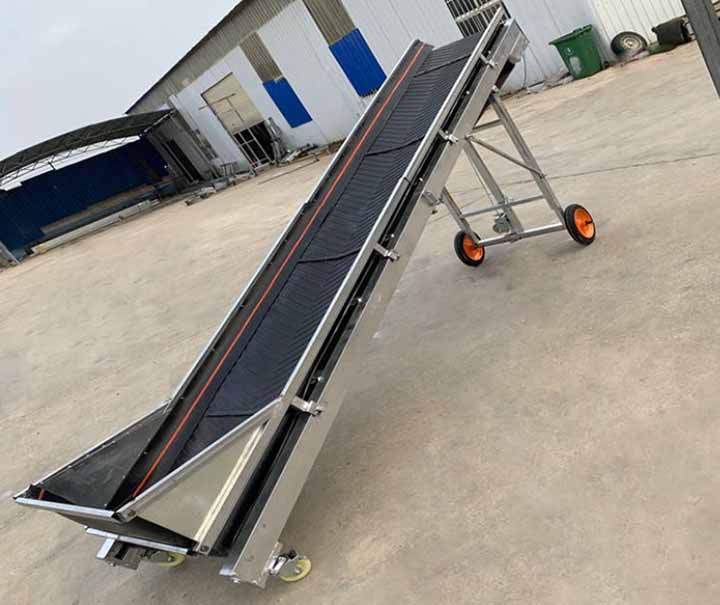
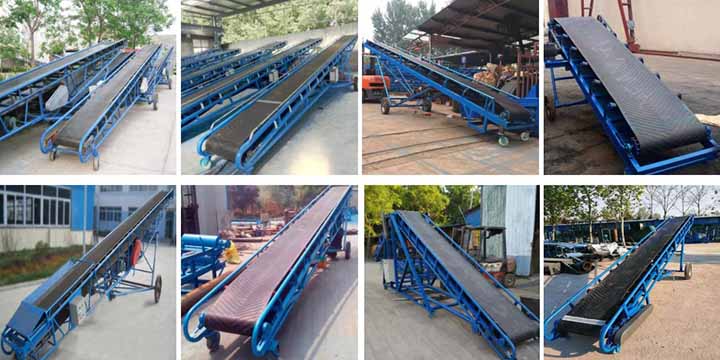
As a manufacturer of belt conveyor systems, Dahan Machinery can customize portable belt conveyor systems according to the characteristics of the materials, such as small portable conveyor belts, portable inclined belt conveyors, and portable soil conveyor belts for transporting soil. The manufacturer can also produce systems based on provided drawings or the site environment to meet different needs.
Conveying System Manufacturer: Frequently Asked Questions
Q: How should I choose between a belt conveyor and a screw conveyor?
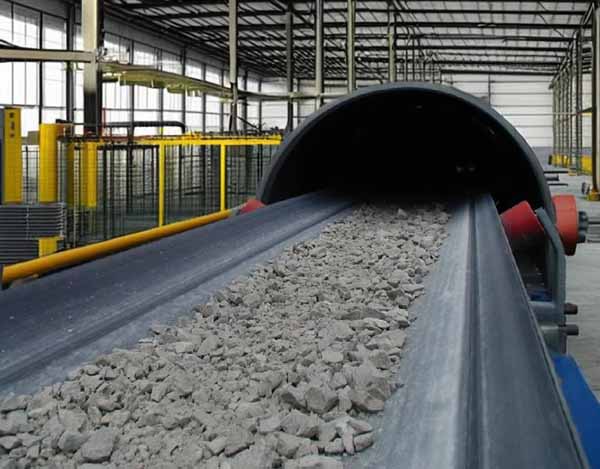
A: This depends on the physical properties of the material. If the material is large ore particles larger than 30mm in diameter, or a powdery finished product susceptible to compression, a belt conveyor should be chosen to maintain material integrity. If the material is fine dust and must be transported in a confined space to prevent dust generation, then our screw conveyor should be given priority.
Q: Will the tires burst or deform if they are driven on gravel roads for extended periods?
A: If the working environment is full of sharp sand and gravel, solid rubber tires can be selected. Solid tires have no internal air pressure, are resistant to punctures or scratches, and will not flatten or deform even when bearing the weight of the entire machine for a long time.
Q: How will the machine operate in the field without a fixed power source?
A: A small diesel generator set can be installed at the rear of the frame. The generator converts diesel fuel into electricity, which is directly supplied to the electric motor, solving the problem of no electricity available in the field.
Q: What is the maximum conveying distance of a portable belt conveyor?
A: Standard models cover 5–25 m. Custom units with intermediate support can reach about 30 m. Longer distances are usually more economical with fixed conveyors.
Q: Can it convey wet or sticky materials?
A: Yes. Use a cleated belt, increase motor power, and reduce rated capacity by 10–15% to prevent slippage. Herringbone rubber lagging on the drive roller also helps.
Q: How often should I maintain the portable belt conveyor?
A: Daily check belt tracking and emergency stop; weekly grease bearings; monthly inspect roller lagging, belt edges, and tire condition. In dusty sites, clean the motor cooling fins weekly.
Q: Can you customize voltage, plug, or power source?
A: Yes. We can supply 220V, 380V, 415V, 440V, 50/60Hz motors, and optional diesel generator set for field operation without fixed power.

Portable belt conveyor systems, as industrial conveying systems, utilize a truss-type load-bearing structure, flexibly adjustable lifting angle, and enhanced safety features to standardize and track the loading, unloading, and transfer of bulk materials. They can be integrated into existing logistics or warehousing chains, providing managers with stable material throughput and making them indispensable mechanical equipment in the field of industrial bulk material handling.Contact Dahan Machinery with your material type, capacity, distance, and site conditions to get a customized portable belt conveyor system quote.