Industrial Belt Conveyor System for Mining
Wednesday May-13 2026 17:01:12
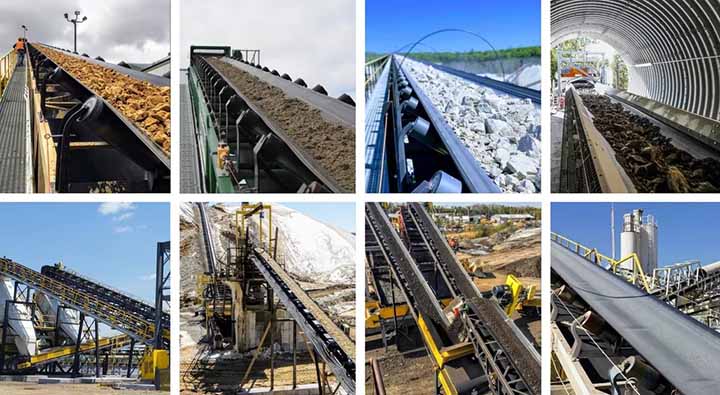
An Industrial Belt Conveyor System for Mining is a device that continuously transports ore, coal, or sand from one location to another. The material is placed on a belt, and a motor drives rollers to rotate, moving the material along a predetermined route. Depending on the installation method, common forms include long-distance surface conveying, underground conveying, and inclined conveying. Belt widths typically range from 500mm to 2000mm, depending on the material size and conveying capacity; operating speeds are usually between 1.0 and 4.0 meters per second; and conveying capacities can range from 30 tons to 1000 tons per hour. The entire conveying process involves material falling onto the belt from the inlet, being carried to the outlet by the belt, and then passing through an unloading device to enter the next process, such as crushing or stockpiling.
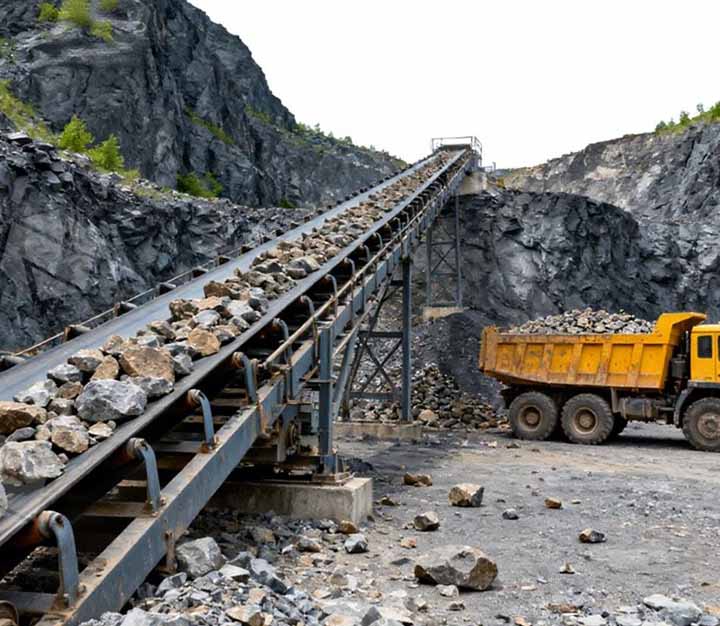
Key Components of the Conveyor System
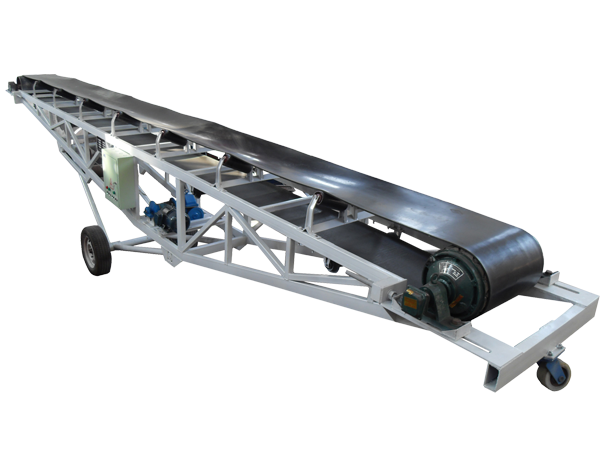
An Industrial Belt Conveyor System for Mining consists of several parts. The belt is the component that directly carries the material, and the appropriate material must be selected based on the material's properties. Idler rollers are distributed below the belt to support it and reduce running resistance. The conveyor belt system, consisting of head and tail rollers, drives the belt in a cyclical motion. The drive unit, comprised of a motor and reducer, provides power. A tensioning device maintains belt tension to prevent slippage. A scraper removes residual material adhering to the belt. The control system is responsible for starting, stopping, and monitoring operation, ensuring stable operation of the entire line.
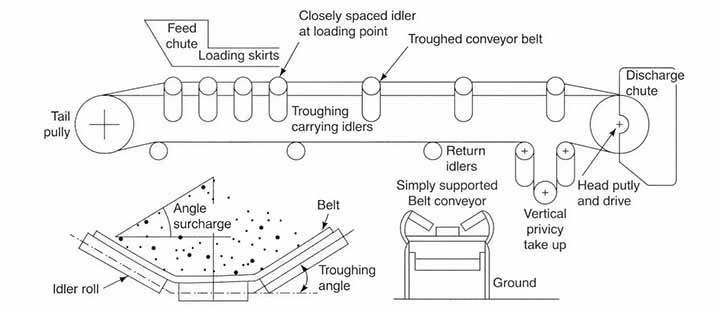
Types of Mining Belt Conveyor Systems
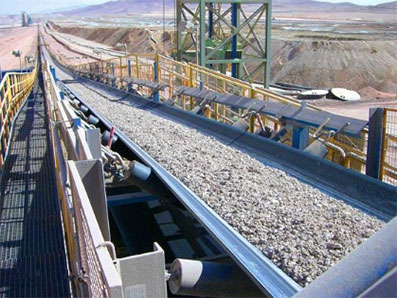
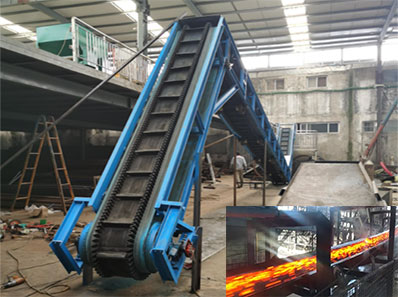
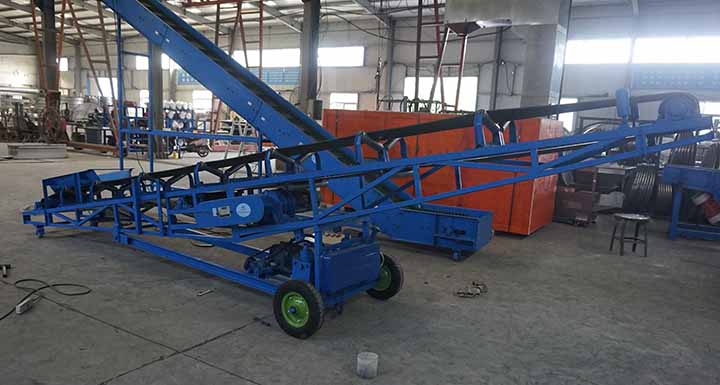
Depending on the application scenario, Industrial Belt Conveyor Systems for Mining can be categorized into several types. Long-distance conveyors are used in open-pit mines, connecting the stope and processing areas, with relatively long routes. Underground conveyors are installed in underground tunnels, requiring more space. Inclined conveyors are used in scenarios with elevation differences, moving materials from lower to higher elevations. Tubular conveyors, where the belt is coiled into a tube, are suitable for complex environments or situations requiring spill prevention. The choice of type depends on the mine terrain, transport distance, and material characteristics.
Industrial Belt Conveyor System for Mining Parameter Table
| Parameter Name | Parameter Range | Description |
| Belt Width | 500 mm – 2000 mm | Select according to material particle size and conveying capacity |
| Belt Speed | 1.0 – 4.0 m/s | Higher speed results in greater conveying capacity |
| Capacity | 50 – 3000 TPH | Related to belt width, speed and material density |
| Conveyor Length | 10 m – 5000 m | Can be a single machine or multi-stage combination |
| Inclination Angle | 0° – 20° | Special belts are required for large inclination angles |
| Motor Power | 5.5 kW – 500 kW | Configured according to load and length |
| Idler Type | Trough / Parallel / Impact | Different idlers are used in different positions |
| Belt Type | Rubber belt / Steel cord belt | Select according to working conditions |
| Working Temperature | -20°C – +60°C | Customizable for special environments |
| Tension Device | Screw / Gravity / Hydraulic | Maintain stable belt tension |
| Discharge Method | Head discharge / Middle discharge | Designed according to process requirements |
| Control System | Manual / Automatic control | Can be connected to a centralized control system |
Advantages of Belt Conveyor in Mining
Compared to vehicle transportation, the Industrial Belt Conveyor System for Mining is more stable in continuous operation, requiring less frequent dispatching of personnel and vehicles. During operation, materials always move along the same route, reducing losses from transshipment. For long-distance transportation, belt conveyors reduce manual intervention and lower daily expenses. Simultaneously, its more uniform operating rhythm helps maintain stable feed to subsequent equipment. For mining projects requiring long-term operation, this method more easily establishes a continuous production process.
Applications in Mining Industry
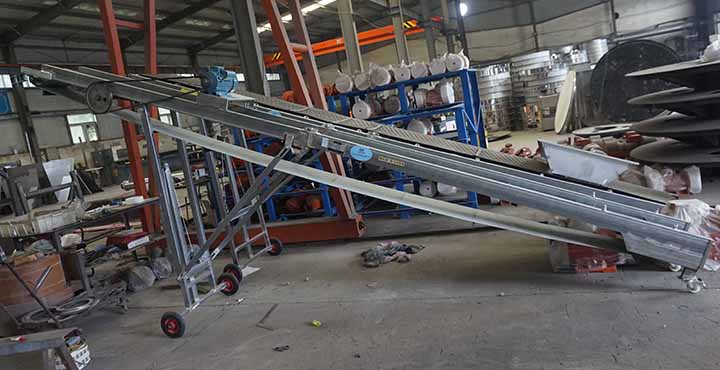
In mining, the Industrial Belt Conveyor System for Mining is typically used in multiple stages. After mining, raw ore can be conveyed to crushing equipment via conveyor belts, and then enter the screening or grinding process. In open-pit mines, conveyor belts can transport materials directly from the stope to the stockpile or loading point. In underground mines, it is used to transport ore from the working face to the shaft entrance. For sand and gravel quarries, conveyor belts are also commonly used to connect crushing, screening, and stockpiling equipment, enabling continuous operation of the entire production line.
How to maintain a mining industrial belt conveyor system?
Mining areas are dusty, and uneven belt tension often leads to edge wear. If the conveyor belt deviates to one side and the edges become rough when it reaches the rollers, it's usually because hardened slag has accumulated on the idler rollers, causing it to deviate from its path. In this case, using a long-handled shovel to clean the accumulated material from the base can correct the running trajectory. If the reducer housing feels hot to the touch or makes a metallic friction noise, it usually means that mineral powder has mixed into the lubricating oil. Check the oil quality quarterly; replace it immediately if it turns black and thickens to prevent damage to internal components and avoid downtime for the entire production line. When material accumulates at the discharge port, check the scraper blades. If the scraper blades wear and gaps appear, wet debris will adhere to the return belt. Replacing them with high-elasticity polyurethane scrapers and keeping the bottom of the belt dry can reduce the risk of damage caused by slippage.
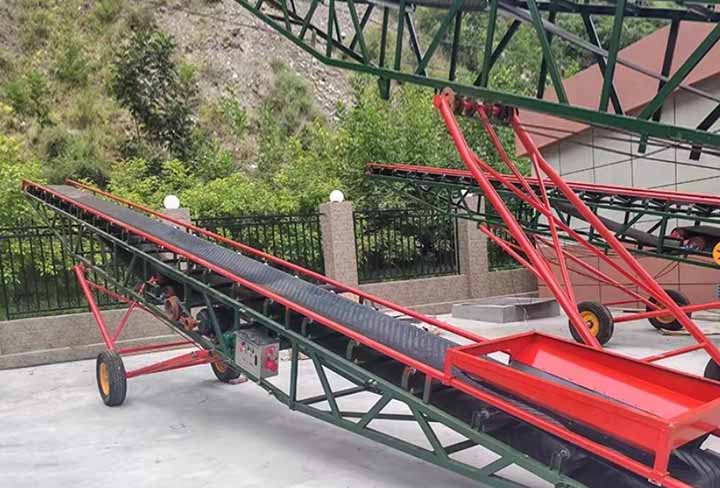
If you are considering purchasing an industrial belt conveyor system for mining, you can start by considering several factors: material type, conveying distance, daily throughput, and site topography. Based on this information, you can roughly determine the belt width, speed, and equipment structure, and then discuss with the manufacturer to determine a suitable industrial belt conveyor system for mining. Belt conveyor systems are particularly suitable for mining projects requiring continuous operation, as they can connect multiple processes and reduce intermediate steps.