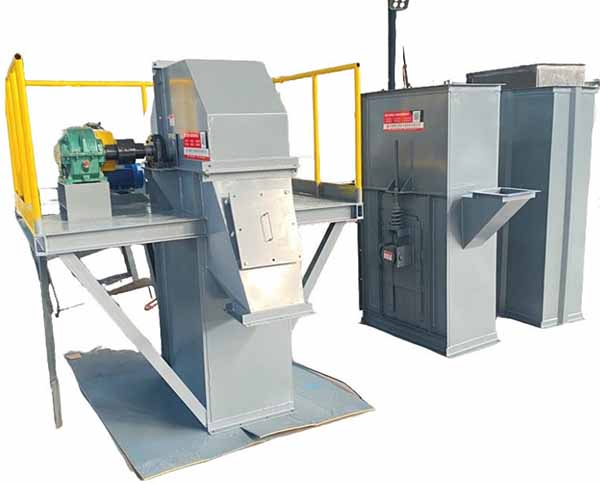
Soda ash bucket elevator
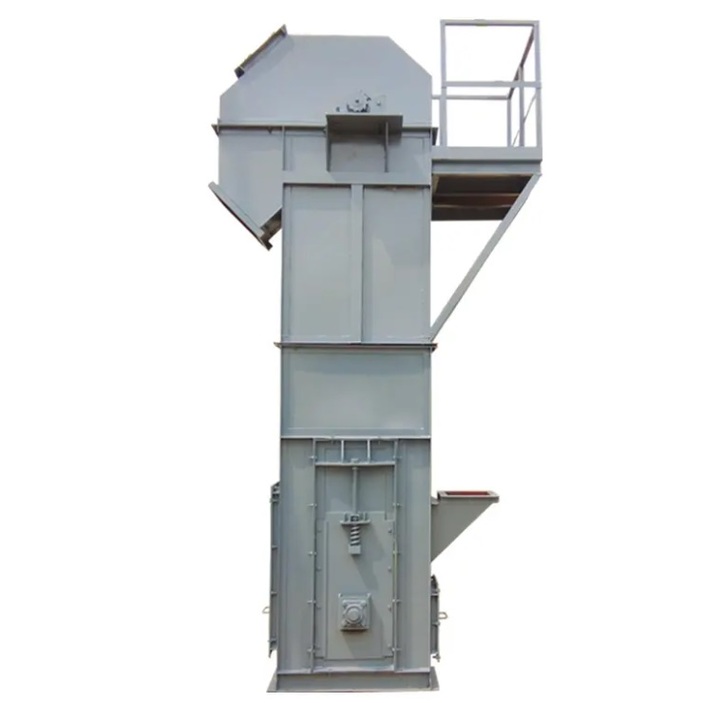
In industrial bulk material conveying systems, the soda ash bucket elevator is responsible for the continuous vertical lifting of soda ash to high-level silos, reactors, or packaging lines. Soda ash is a slightly corrosive material that readily absorbs moisture from the air, causing it to clump, and its powder particles are fine and highly fluid. To accommodate these material characteristics, the elevator features a robust leak-proof design at the outer casing seams and shaft ends, and its inner walls are treated with anti-sticking technology. Its conveying capacity ranges from 10 t/h to 200 t/h, and its vertical lifting height covers 5 m to 40 m. However, when handling the corrosive and highly hygroscopic nature of soda ash, ordinary elevators cannot achieve the desired lifting capacity.
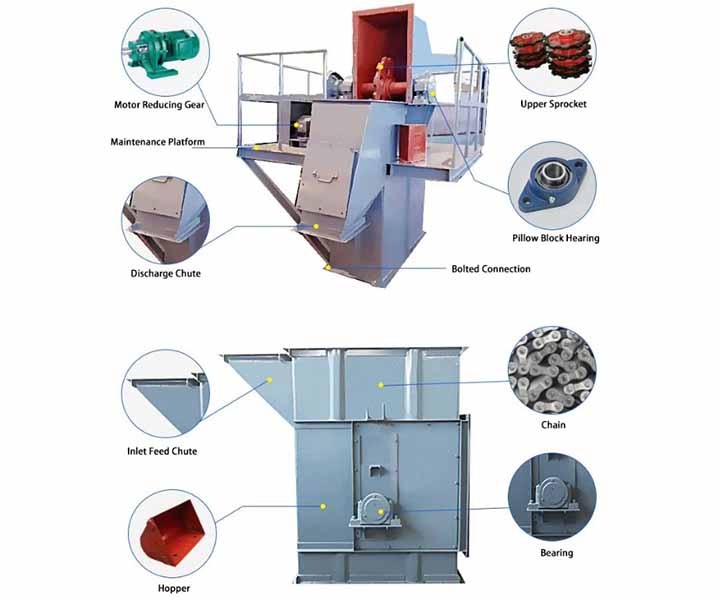
Engineered for Soda Ash: Key Components & Material Design
Ordinary elevators often experience jamming of the machine base due to material absorbing moisture and clumping, or bearing corrosion due to dust leakage when conveying soda ash. The soda ash bucket elevator addresses these issues by adjusting the following structural components.
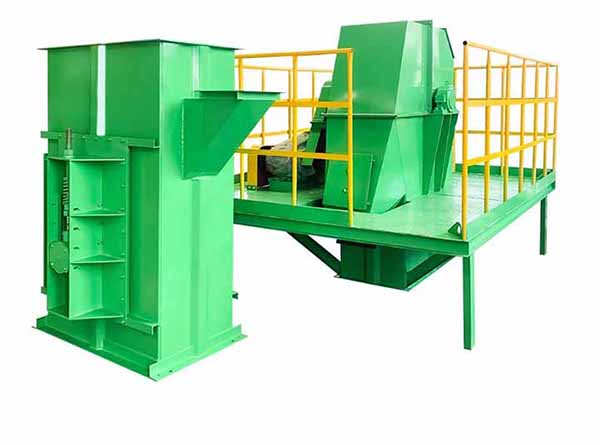
Sealed Housing and Feed Chute: Alkali-resistant rubber gaskets are installed at the seams of the outer steel plates to prevent fine powder from overflowing. The feed inlet angle is designed at 55 degrees to match the angle of repose of soda ash, preventing material accumulation at the inlet.
Anti-Adhesion Hopper: The hopper's front lip features a rounded transition, and the inner wall is polished to Ra 0.8 μm. This smoothness reduces the adhesion of wet soda ash powder, and combined with the gravity-assisted discharge trajectory at the discharge port, material can be smoothly and completely discharged, reducing residue in the hopper.
Air-Sealed Bearing Assembly: The bearing housing is moved outside the housing, and a packing seal is installed at the shaft through-hole, introducing 0.05 MPa compressed air. The airflow blows inward, preventing soda ash powder from entering the bearing raceway and extending the life of rotating parts.
Quick-Opening Base Cleaning Valve: Inspection doors with quick-clamp bolts are symmetrically installed on both sides of the bottom of the base. Operators can open them within one minute during shutdown to remove hardened deposits accumulated at the bottom due to factory humidity.
Soda Ash Bucket Elevator Model Parameter Table
Below are the technical data and material selection suggestions for commonly used soda ash bucket elevators for different production scales.
| Model | Capacity (t/h) | Max Height (m) | Power (kW) | Bucket Volume (L) | Bucket Speed (m/s) | Traction Component | Inlet/Outlet Size (mm) | Approx. Weight (kg/m) | Recommended Material |
| TH250 | 15 - 28 | 25 | 5.5 - 7.5 | 2.1 | 1.25 | Φ14×50 High-strength Circular Chain | 300 × 250 | 110 - 140 | Material contact part: 304 stainless steel; Others: Carbon steel with epoxy paint |
| TH315 | 30 - 55 | 30 | 11 - 15 | 4.3 | 1.40 | Φ18×64 High-strength Circular Chain | 400 × 315 | 160 - 195 | Full 304 stainless steel (For moisture-proof and anti-corrosion environment) |
| TH400 | 60 - 110 | 35 | 22 - 30 | 8.5 | 1.50 | Φ22×86 High-strength Circular Chain | 500 × 400 | 220 - 270 | Full 316L stainless steel (For high humidity & dew-prone workshops) |
| TH500 | 120 - 200 | 40 | 45 - 55 | 15.0 | 1.60 | Φ26×100 High-strength Circular Chain | 600 × 500 | 310 - 380 | Material contact part: 304 stainless steel; Housing: Thickened Q235B steel plate |
How to Choose the Right Type?
When selecting a bucket elevator, it is necessary to quantify the actual operating conditions of the soda ash production line. The following three steps can be followed to determine the specifications:
Select Bucket Based on Soda Ash Bulk Density: Light soda ash has a bulk density of approximately 0.5 - 0.6 t/m³, while heavy soda ash has a bulk density of approximately 1.0 - 1.2 t/m³. For conveying light soda ash, a deeper bucket with a larger capacity is required. For conveying heavy soda ash, the bucket spacing needs to be shortened and the bucket wall thickness increased to prevent bucket deformation under full load.
Select Model Based on Vertical Conveying Tons per Hour: Based on the aforementioned parameter table, when the actual demand is 45 t/h, the extreme value of TH250 should be avoided, and the TH315 model should be selected. This allows for a 20% operational margin to prevent stalling caused by sudden overload of the upstream metering feeder.
Select traction components based on the working environment and temperature: If the soda ash has just been discharged from the calcination furnace and the material temperature exceeds 120 degrees Celsius, a high-strength alloy steel ring chain must be selected as the traction component; if the material is at room temperature and the plant's air humidity is consistently above 85%, it is recommended to select thickened alkali-resistant tape to avoid rust and jamming of the chain joints due to moisture.
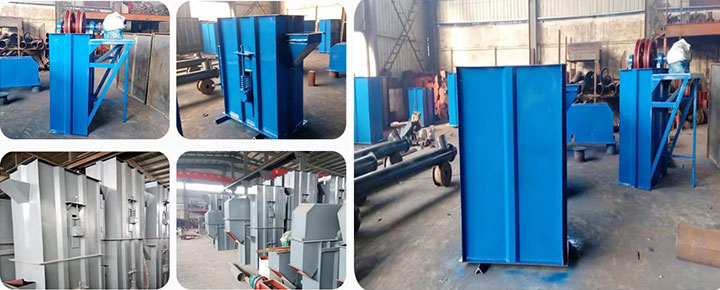
Real-world case study of Soda Ash Bucket Elevator
In an Indonesian float glass manufacturing plant with a daily output of 300 tons, the old carbon steel bucket elevator used in conjunction with the mixing system experienced corrosion and perforation of its base every three months due to the soda ash absorbing moisture, resulting in the plant floor being covered in white dust.
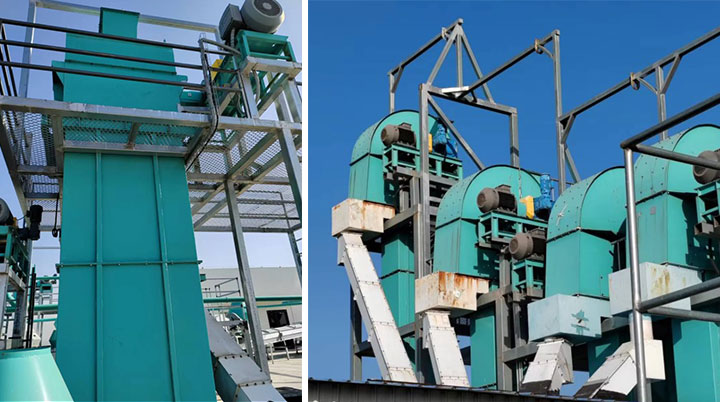
The plant purchased a TH315 ring chain bucket elevator made entirely of stainless steel, with a lifting height of 18.5 m and a conveying capacity set at 40 t/h. The new equipment features 3mm thick PTFE anti-friction liners on the feed hopper and inner wall of the base. It has been running continuously for 14 months since its commissioning, with no alkali powder slippage or wear on the bearings. The base inspection door discharges clumps of material once a week, maintaining continuous operation of the production line.
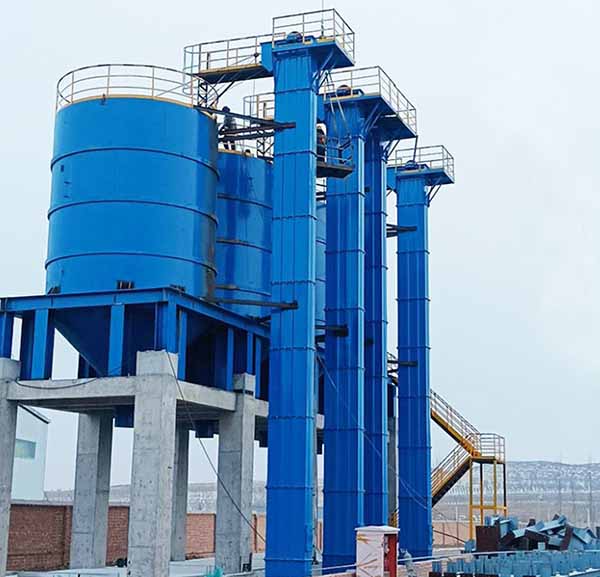
Image of a soda ash elevator in use
Frequently Asked Questions
Q: What should I do in an emergency if the soda ash elevator experiences bottom blockage and stalls?
A: Immediately disconnect the main motor power and hang a maintenance sign. Open the quick-opening cleaning valves on both sides of the base and use a copper pry bar to remove the clumps of soda ash accumulated at the bottom. Manually rotate the coupling to ensure the chain can move freely, then close the cleaning valves. Start the equipment under no-load conditions first, then open the upstream feed valve.
Q: What is the price range for a suitable soda ash bucket elevator?
A: The cost of this equipment depends on its specifications and materials. Taking a standard carbon steel epoxy resin corrosion-resistant bucket elevator with a height of 15 m and a conveying capacity of 30 t/h as an example, the basic price is approximately US$4,250 to US$6,500. If the material contact parts are upgraded to 304 stainless steel due to high humidity environments, and a pneumatic shaft seal is installed, the overall price will rise to US$8,300 to US$12,500.
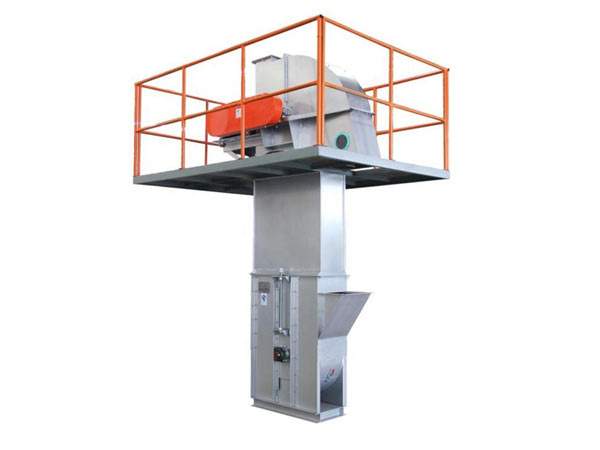
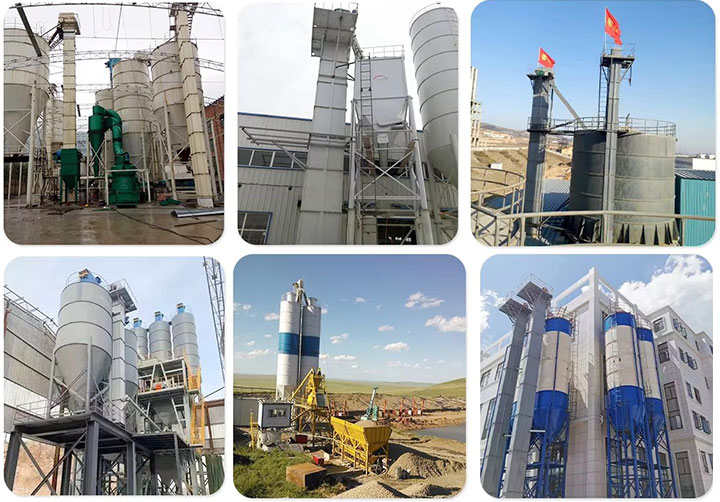
Image of a bucket elevator for conveying soda ash
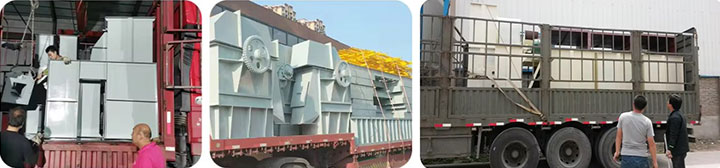
The design focus of bucket elevators for conveying soda ash is to solve the problems of material moisture absorption and agglomeration, as well as micro-corrosion conditions. By sealing and reinforcing the gaps in the casing, selecting stainless steel anti-adhesion buckets, and using external air-sealed bearings, the requirements for long-term continuous operation can be met. When determining the model, it is necessary to specify the bulk density of soda ash, hourly output, and on-site temperature and humidity to determine the appropriate material specifications. You can provide the Auger-Conveyor team with specific on-site installation dimensions and tonnage indicators, and their technicians will create a 3D structural layout drawing and provide a detailed factory quote.