PVC Conveyor Belt Troubleshooting
Thursday May-14 2026 14:29:52
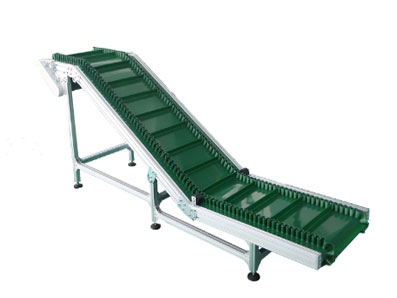
A PVC conveyor belt uses a motor to drive rotating rollers, with the belt running continuously forward against the rollers, transporting cartons, bags, or parts to the next workstation. PVC Conveyor Belt Troubleshooting allows for the timely detection of operational anomalies, minimizing downtime impacts on production. The entire conveyor system, consisting of belts, rollers, bearings, and tensioning devices, works in concert to achieve the conveying action. Any misalignment of any component will affect the belt's performance.
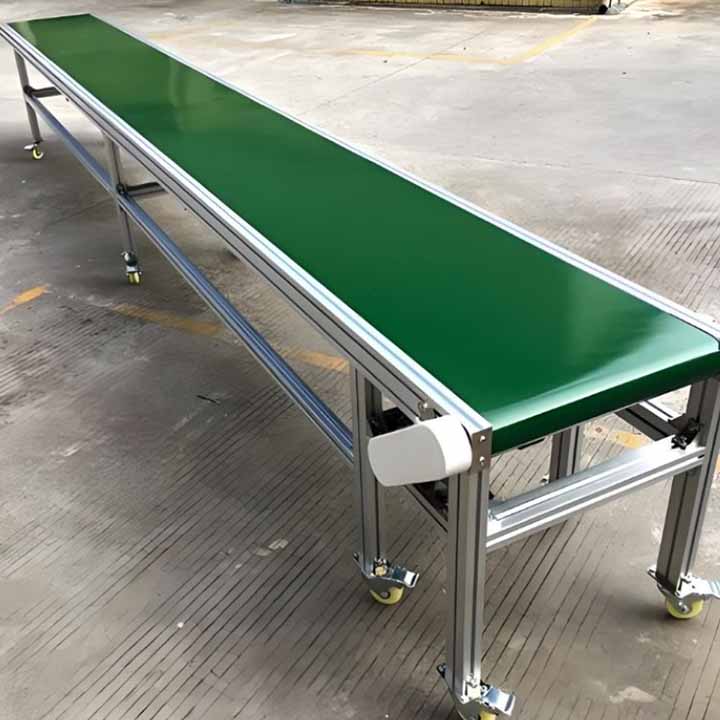
Belt failures are typically related to material aging, installation errors, and inadequate routine maintenance. Due to the inherent rigidity of PVC, material accumulation on the idlers or imbalanced tension within the machine reduces its fatigue resistance, leading to misalignment, slippage, or even breakage. Understanding the material properties of PVC conveyor belts and the equipment's operating methods helps determine whether the problem originates from tension, rollers, or the environmental conditions.
Solving Conveyor Belt Misalignment
When a PVC conveyor belt misaligns, its edges continuously rub against the inside of the frame. Over time, burrs appear at the edges, and in severe cases, the edges may even curl. A common scenario on-site is that on a two-meter-wide conveyor, if the left roller is a few millimeters ahead of the right, the belt will continuously move to the left.
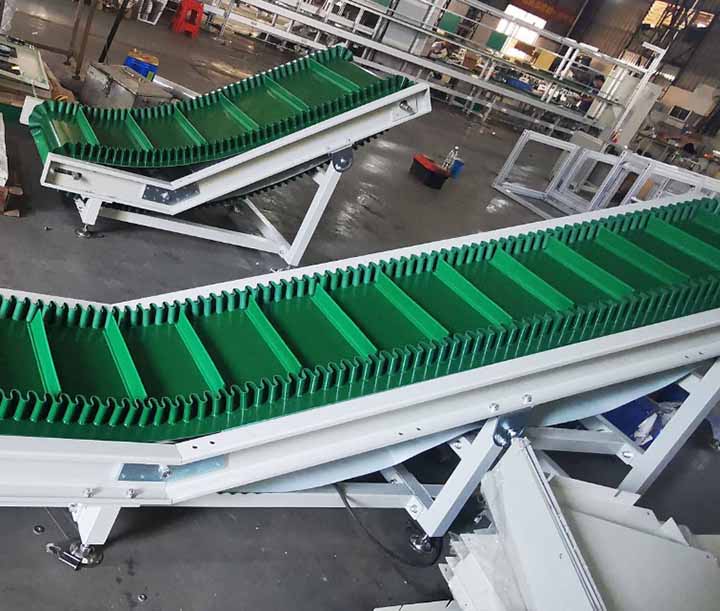
During inspection, start from the tail roller and observe the belt's unloaded running trajectory. If the belt is already off-center before material is added, it's mostly related to the roller's parallelism. If it's normal under no-load conditions but only deviates after loading, it's often because the material has been consistently falling on the same side. When adjusting, fine-tune the tension screw on the side of the deviation, rotating it half a turn each time and observing for a few minutes; avoid making large adjustments at once. For longer conveyors, self-aligning idlers can be installed in the middle. When the belt deviates, the idler angle will change accordingly, bringing the belt back to the center position.
Causes of Conveyor Belt Slippage and Failure
When the equipment slips, the motor and reducer are still running, but the belt moves slowly or even stops. Touching the area near the drive roller at this time will feel a rise in surface temperature, accompanied by a rubbery odor. Equipment slippage may be due to insufficient tension, environmental pollution, or failure warnings. Insufficient tension can affect belt operation. Oil, moisture, or dust entering the back of the belt can reduce the friction coefficient of the equipment. Slippage often indicates wear on the belt or roller surface, requiring inspection. To address this, tighten the tensioning device appropriately, wipe away oil from the roller surface, and check for localized peeling of the rubber coating. If the belt joint starts to turn white or develops fine cracks, it indicates that prolonged slippage has caused repeated heating in that area, requiring re-joining.
Conveyor Belt Rip Repair and Surface Damage
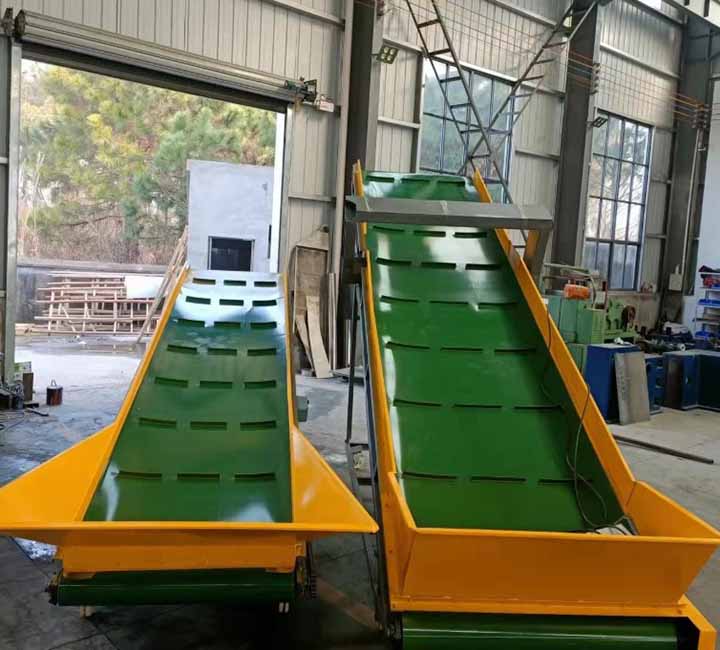
PVC conveyor belts don't tear instantly; many damages begin with a small scratch. For example, a screw falling to the bottom of the conveyor causes repeated friction as the belt passes over it, gradually creating a longitudinal crack on the surface. Users often only discover this during shutdown cleaning, by which time the crack has extended close to the middle of the belt. Scratches less than a few tens of millimeters in length can be repaired with cold adhesive. Before repair, the damaged area needs to be sanded, dust removed, and then a patch applied. If the crack penetrates the fabric layer, it will continue to widen with continued use; in this case, it is more suitable to cut off the damaged section and re-joint. Surface roughness and localized peeling are usually related to rough slide plates or long-term contact with sharp-edged parts of the conveyor belt. Replacing worn slide plates often results in smoother belt operation.
Conveyor Belt Pulley Maintenance Checklist
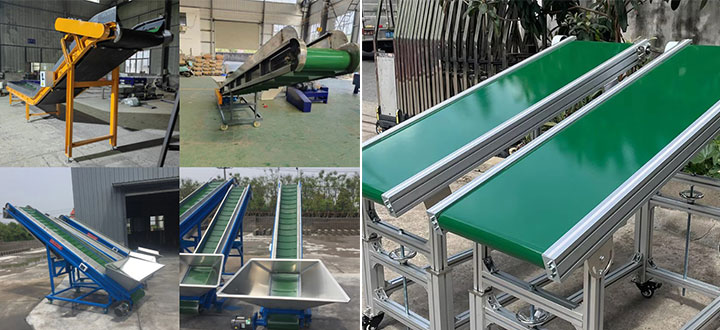
Some belt problems can ultimately be traced back to the rollers. If belt debris adheres to the roller surface, the belt will bounce slightly with each revolution; worn bearings will produce a continuous humming sound during operation.
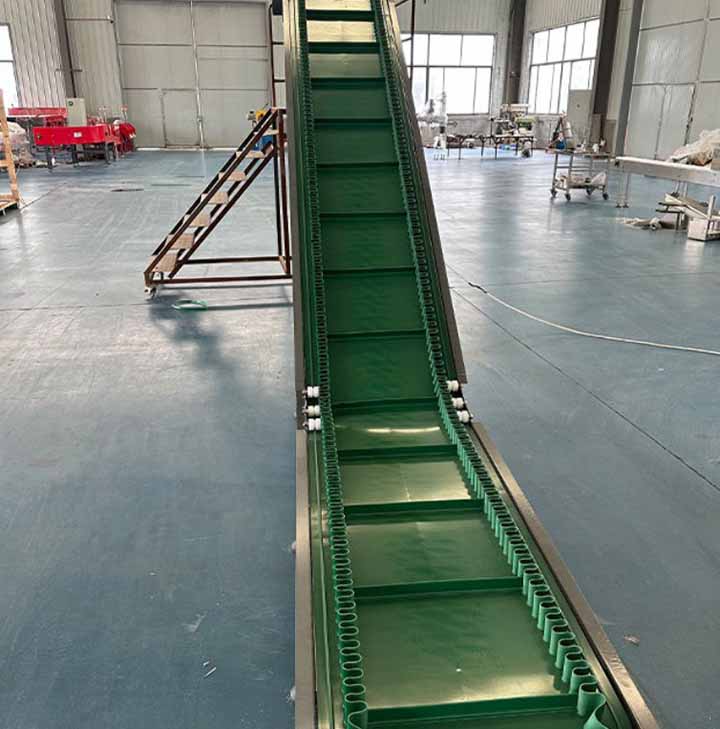
Daily inspections can focus on several details: whether the roller surface is smooth; whether there are cracks in the rubber coating; whether there is overheating near the bearing housing; whether the fastening bolts are loose; and whether the markings on both sides of the tension screw are consistent. Periodic vibrations in a running conveyor are usually related to roller runout. In dusty packaging workshops, it is recommended to clean the roller surface weekly and check the bearing lubrication monthly. This can reduce belt misalignment, slippage, and joint fatigue.
PVC Conveyor Belt Troubleshooting Checklist
| Fault Phenomenon | On-site Performance | Common Causes | Handling Methods |
|---|---|---|---|
| Belt Deviation | The belt continuously moves left or right, with edge rubbing against the frame and burrs appearing | Non-parallel rollers, uneven belt tension, off-center material loading, misaligned idlers | Adjust roller parallelism, balance tension on both sides, center material drop on the belt |
| Belt Slippage | The motor runs normally, but the belt moves slowly or stays in place | Insufficient tension, oil or water on the roller surface, lagging cover wear, overloading | Tighten the take-up device, clean the roller surface, check the lagging cover, reduce the conveying capacity |
| Joint Cracking | White marks, cracks or local warping at the joint position | Excessive tension, long-term slippage, overheating at the joint, improper joint workmanship | Re-do the joint, adjust tension, check if the roller is slipping |
| Edge Wear | The belt sides show fuzzing, thinning or curling | Long-term deviation, frame edge friction, guide parts installed too tightly | Correct deviation, repair the frame contact surface, adjust the guide gap |
| Surface Scratches | Grooves, cuts or local damage appear on the belt surface | Sharp materials, screws or metal fragments falling into the equipment during conveying | Remove foreign objects, repair minor scratches with patch glue, re-join the belt for severe damage |
| Belt Tearing | Cracks extend along the running direction, affecting normal use | Unaddressed scratches, material jamming in the roller, concentrated stress on the belt | Stop for inspection, cut off the damaged area and re-join the belt |
| Roller Noise | Continuous humming or metal friction sounds during operation | Bearing wear, insufficient lubrication, loose installation | Replace bearings, replenish grease, tighten fixing bolts |
| Roller Overheating | Bearing seat temperature rises, housing becomes hot | Bearing wear, insufficient lubrication, excessive load | Check bearing condition, replenish lubrication, adjust conveying load |
| Belt Vibration | Obvious up-and-down bouncing during operation, material swinging | Roller runout, uneven joints, fluctuating tension | Check roller concentricity, repair joints, re-adjust tension |
| Surface Hardening | The belt becomes hard, with fine cracks when bent | Long-term heat exposure, aging, residual cleaning agent | Replace aged belts, check usage environment and cleaning methods |
| Material Adhesion | Powder or sticky materials remain on the belt surface | Surface contamination, insufficient cleaning frequency | Clean the belt regularly, check the scraper device |
| Reduced Conveying Capacity | Belt speed is normal, but material conveying is unstable | Slippage, surface wear, material accumulation | Troubleshoot slippage causes, clear accumulated material, check belt surface condition |
PVC conveyor belts play a continuous transport role in logistics, packaging, and assembly lines. Misalignment, slippage, tearing, and roller wear may seem like different faults, but they are actually interconnected: uneven tension causes misalignment, misalignment wears down the edges, and damaged edges can develop into tears. If, during troubleshooting, you find that the belt is severely damaged or needs to be replaced with a PVC conveyor belt, you can consult an online engineer for a customized solution based on your specific operating conditions. A level installation and clear maintenance schedule generally result in more stable belt operation and fewer downtimes.