Twin Screw Mixer Price
Tuesday May-12 2026 14:43:32
What is a Twin Screw Mixer?
A Twin Screw Mixer relies on two parallel or staggered screws rotating synchronously within the drum. As the powder falls from the inlet, it briefly accumulates, then is sheared, folded, and conveyed by the screw blades. This action ensures the material is evenly distributed quickly, preventing localized accumulation.
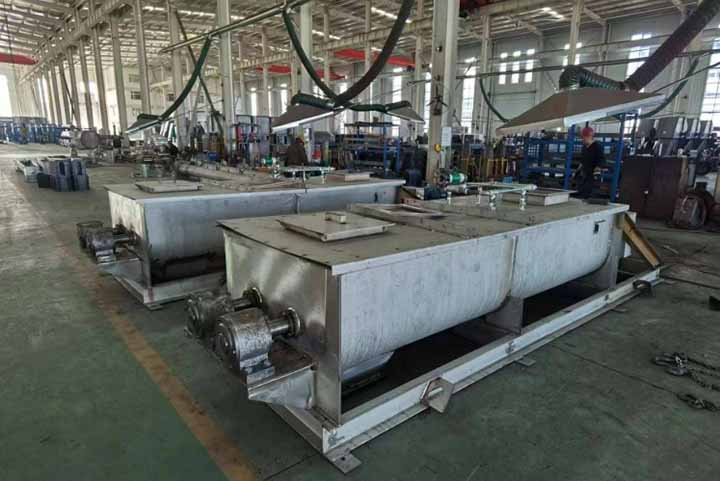
When processing thermoplastics such as polypropylene (PP), polyethylene (PE), or nylon (PA), the strong shearing force of the two screws ensures the filler and substrate are uniformly fused in the molten state. A basic Twin Screw Mixer Price setup typically starts at $7,500, while large, fully automated units for production lines, with improvements in automation, torque design, and feeding systems, can command prices ranging from $35,000 to $87,000 or even higher.
Factors Affecting Twin Screw Mixer Price
Prices for twin screw mixers vary depending on factors such as materials, automation level, conveying capacity, screw diameter, and motor power.
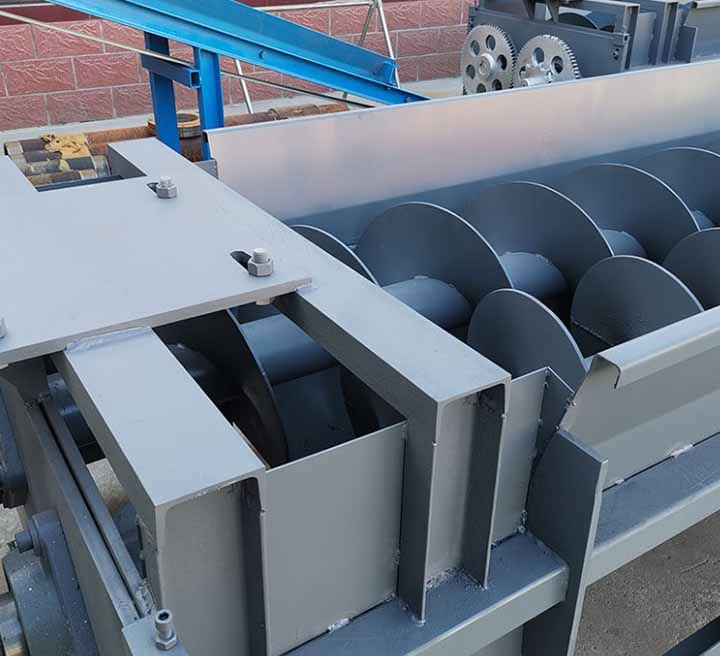
Materials: The wear resistance differs depending on whether the screw uses 38CrMoAl, W6Mo5Cr4V2, or nickel-based alloys. Wear-resistant alloys are significantly more expensive when processing 30% glass fiber nylon.
Automation Level: Prices differ between standard button control and PLC touchscreen control. Touchscreens can record temperature profiles, recipes, and alarm information.
Conveying Capacity: There are significant differences in barrel length, gearbox, and motor size between 50 kg/h and 800 kg/h equipment.
Screw Diameter: 20mm is suitable for R&D; 75mm and above are suitable for continuous production. Larger diameters increase manufacturing costs.
Motor Power: Increasing motor power from 7.5kW to 315kW not only changes the output but also increases torque, making it more adaptable to high-filling materials.
Overlapping Twin Screw Mixer vs. Standard Twin Screw Mixer
An overlapping twin screw mixer has a tighter meshing of the two screws, causing the material to tumble repeatedly between the screw channels. When producing highly filled calcium carbonate masterbatch, the granules have a more uniform color after cutting and are less prone to white spots. This type of equipment typically costs between $45,000 and $150,000. Price differences are usually related to machine design and material feed rate; highly filled systems require a stronger meshing structure.
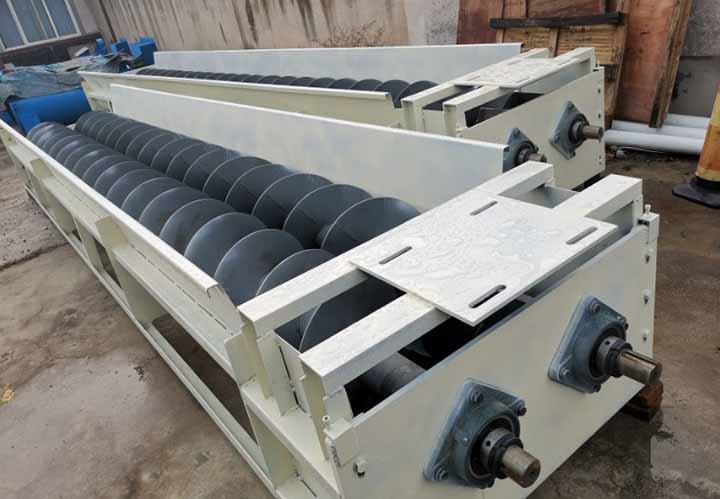
A standard twin screw mixer has a relatively simple structure and is suitable for PP and PE coloring and general modification. Prices are mostly between $25,000 and $98,000. If your product formulation changes frequently or the filler content exceeds 70%, an overlapping twin screw compounding mixer is more worth considering.
| Parameter | Overlapping Twin Screw Mixer | Standard Twin Screw Mixer |
| Mixing Efficiency | Higher | Medium |
| Torque | 8–18 Nm/cm³ | 5–12 Nm/cm³ |
| Energy Consumption | 0.30–0.45 kWh/kg | 0.20–0.35 kWh/kg |
| Maintenance | Every 3,000–6,000 hours | Every 5,000–8,000 hours |
| Price | $50,000–$250,000 | $30,000–$150,000 |
How to Choose the Right Twin Screw Mixer
When selecting a mixer, it's advisable to write down your formulation: resin type, additive ratio, target yield, and intended use of the finished product. For laboratory formulation validation, a mini twin screw extruder is recommended; for daily production exceeding ten tons, an extruder twin screw of 65mm or larger should be considered.
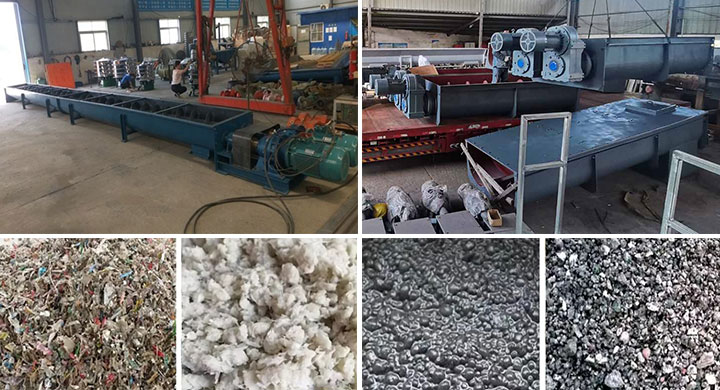
If the material contains glass fiber, the screw and barrel need to be made of wear-resistant materials; if the powder is light and prone to bridging, loss-in-weight feed is recommended. One customer planned to produce talc-filled PP, initially only considering price, but later found the feed to be unstable, resulting in consistently low output. Ultimately, they reconfigured the feed system.
Twin Screw Mixer Manufacturers
Experienced manufacturers will adjust the screw combination according to the material system, such as increasing the proportion of kneading blocks to improve dispersion, or adding an venting section for volatile matter removal, rather than simply providing a fixed model. Manufacturers can provide factory test video demonstrations, installation instructions, spare parts lists, and a 12-month warranty, making later use more worry-free. For overseas customers, manufacturers also support screw component replacement via video guidance and provide electronic formulation adjustment manuals.
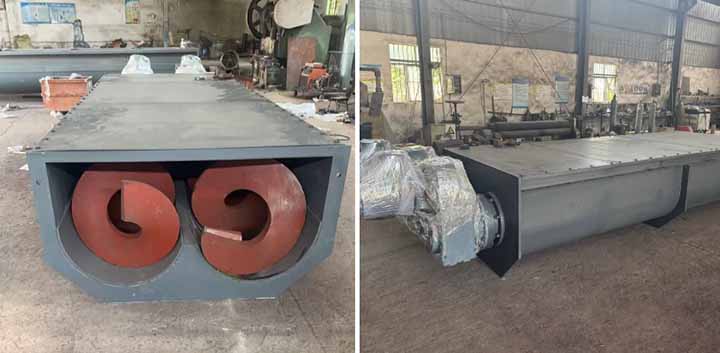
Twin screw compounders are widely used in continuous plastic blending lines. Twin-screw mixer prices range from $5,000 to $500,000, varying depending on materials, automation level, conveying capacity, screw diameter, and motor power. For those preparing to purchase, instead of simply comparing prices, it's better to send the manufacturer the formula, target output, and site conditions. This avoids output fluctuations caused by mismatches between the screw combination and the material system. It also ensures the received quote is closer to actual needs and reduces the time spent readjusting the equipment after it arrives at the factory.
Sugested Products
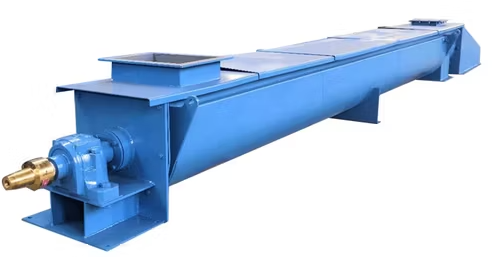
High Temperature Screw Conveyor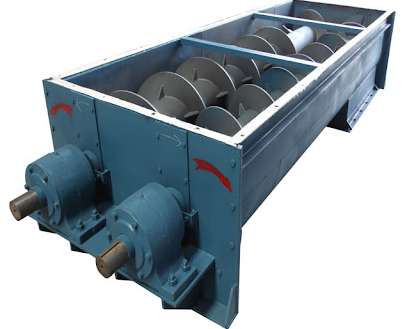
Twin Screw Mixer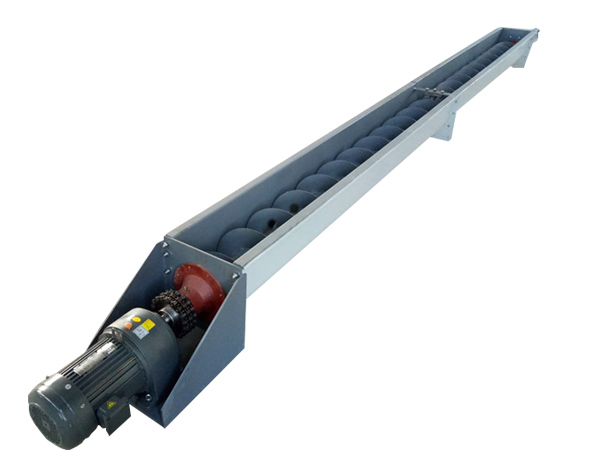
Shaftless Screw Conveyor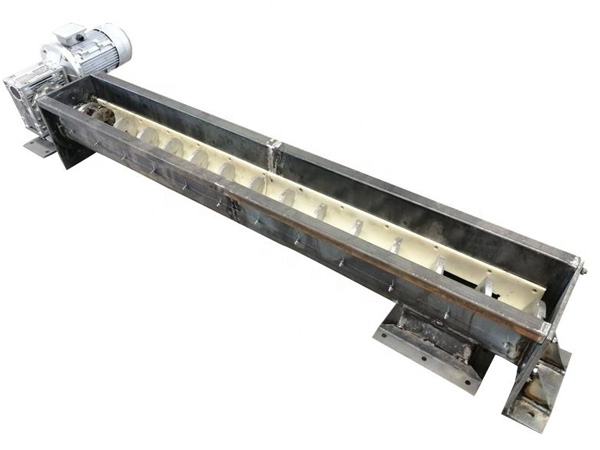
Garbage screw conveyor