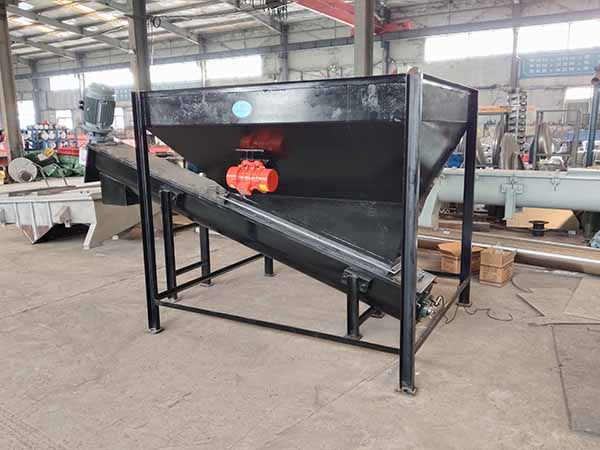
Rubber Powder Screw Conveyor
Conveying capacity: 0.5 ~ 15 tons/hour
Conveying length: 1 ~ 12 meters (customizable)
Inclination angle: 0° (horizontal) ~ 45°
Pipe shaft outer diameter: Φ159 ~ Φ273 mm
Motor power: 1.5 ~ 7.5 kW
Rubber Powder Screw Conveyor Overview
Rubber powder, processed from waste tires and other materials, presents significant challenges in industrial conveying. Due to its high surface friction and inherent adhesiveness, it easily clumps together in traditional pipelines, causing blockages. As a lightweight powder, it is easily blown away by the wind, causing workshop pollution, and the static electricity accumulated between particles increases the risk of dust explosions.
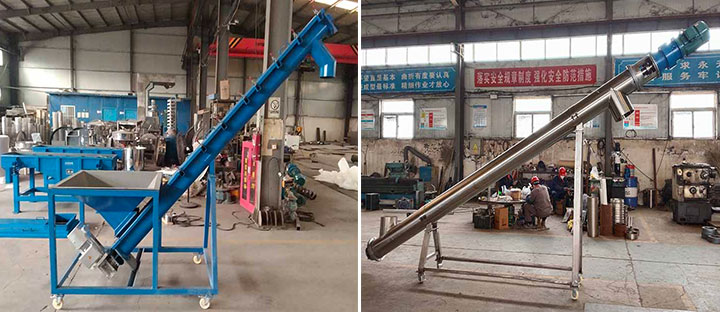
To address these conveying challenges, the Rubber Powder Screw Conveyor offers customized solutions. The machine supports steep inclines from 0° horizontal to 45°, and a single line can stably convey 0.5 to 15 tons of rubber powder per hour. Lengths can be customized from 1 to 12 meters. For the material backflow problem caused by steep inclines, technicians have limited backflow by adjusting the screw pitch and rotation speed, powerfully propelling the material in a fully enclosed environment, balancing conveying efficiency and workshop safety.
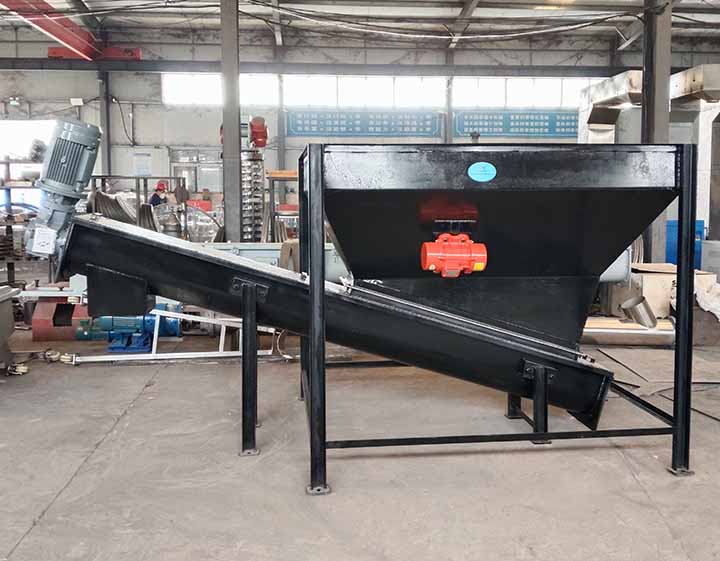
Rubber Powder Screw Conveyor Structural Components
The components of the rubber powder screw conveyor have been structurally modified to address the unique physical behavior of rubber powder. The specific component designs are as follows.
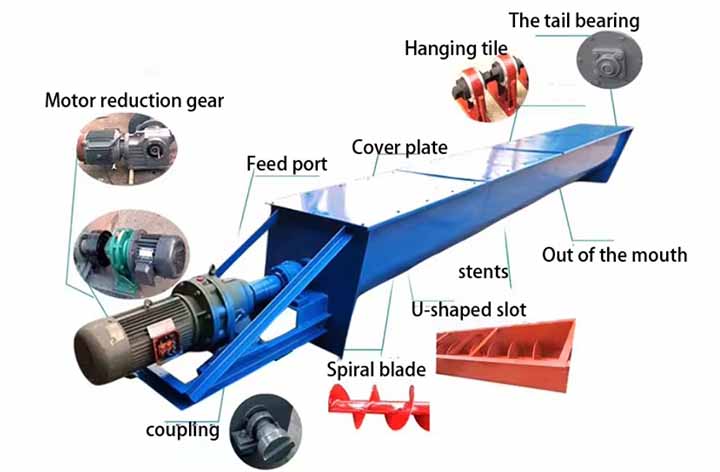
Thickened Self-Cleaning Blades: Constructed from high-strength manganese steel or 304 stainless steel with a thickness exceeding 6mm, the distance between the outer edge of the blade and the inner wall of the casing is strictly controlled at 2-4mm. At low speeds, it acts like a scraper, forcefully removing accumulated adhesive powder from the pipe walls, breaking up initial clumps, and preventing pipe blockage.
Sealed Bearings: The joint between the drive shaft and the housing utilizes pneumatic labyrinth sealing technology, continuously injecting 0.2-0.4MPa of dry compressed air. The resulting high-pressure air curtain prevents micron-sized adhesive powder from penetrating the bearing, avoiding bearing seizure and burnout caused by wear and jamming.
Anti-static Grounding Strip and Explosion-proof Power Source: Copper conductive strips are used across all flange connections on the machine body to conduct accumulated static electricity to the ground. The power unit is equipped with an explosion-proof geared motor with ATEX or EX level certification, blocking the path of powder deflagration caused by electrical sparks.
Removable U-shaped trough cover: For trough structures, the cover uses a quick-opening pressure wire clamp. When changing the mesh size of the rubber powder or in the event of a power outage, workers can open the cover within minutes to clean up any remaining material.
What are the benefits of using a rubber powder screw conveyor?
The fully enclosed pipeline design of the rubber powder screw conveyor prevents lightweight rubber powder from spilling into the air, significantly reducing dust levels in the workshop. This protects the respiratory health of employees and keeps the factory environment clean. The machine can transport horizontally or at an incline depending on the specific usage, providing flexibility for rubber powder transport. Thanks to a powerful mechanical scraping design, the frequency of machine shutdowns for cleaning due to material clumping is reduced from several times a week to once every few months, maintaining continuous operation of downstream recycled brick or conveyor belt production lines. This screw conveyor achieves automated, enclosed lifting from the crusher to the storage silo, replacing the tedious traditional manual bagging, handling, and dumping processes, reducing time and labor costs.
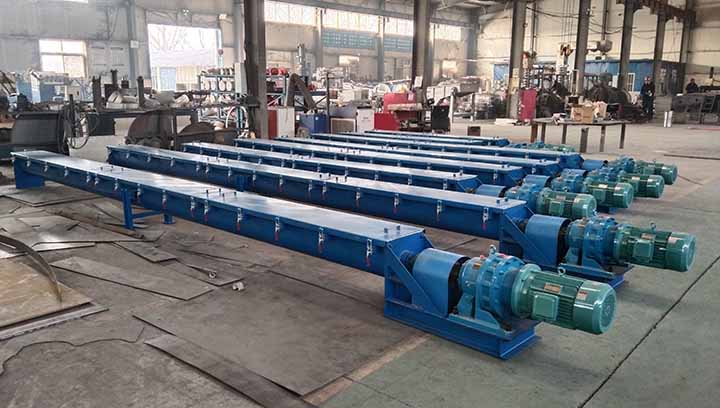
How much does a rubber powder screw conveyor cost?
The price of a Rubber Powder Screw Conveyor varies depending on specifications, technology, and other factors. The price range for common models is as follows.
| Equipment Model (Pipe Diameter) | Common Conveying Length | Reference Motor Power | Carbon Steel Price Range (USD) | 304 Stainless Steel Price Range (USD) |
| LS160 (Φ159mm) | 3m | 1.5 kW | $2,200 - $2,800 | $3,100 - $3,900 |
| LS160 (Φ159mm) | 6m | 2.2 kW | $3,200 - $4,500 | $4,500 - $5,800 |
| LS200 (Φ219mm) | 4m | 3.0 kW | $3,800 - $4,800 | $5,300 - $6,500 |
| LS200 (Φ219mm) | 8m | 4.0 kW | $5,200 - $6,800 | $7,200 - $9,200 |
| LS250 (Φ273mm) | 5m | 5.5 kW | $5,500 - $7,200 | $7,800 - $9,800 |
| LS250 (Φ273mm) | 12m | 7.5 kW | $8,500 - $11,000 | $12,000 - $15,500 |
Technical indicators affecting price include:
Main Material Selection: Using Q235B carbon steel is cheaper. Upgrading the parts in contact with materials to 304 stainless steel to handle certain modified rubber powders containing corrosive additives will increase costs by 35% - 50%.
Explosion-proof Rating Requirements: The hardware costs for electrical control and power components will increase by $600 - $1,500 compared to using a standard motor with a high-grade explosion-proof geared motor (with frequency converter).
Spatial Geometry: For every meter increase in conveying distance, or an inclination angle exceeding 30° requiring increased motor power and wall thickness, material and processing costs will increase proportionally.
Applications of Rubber Powder Screw Conveyors
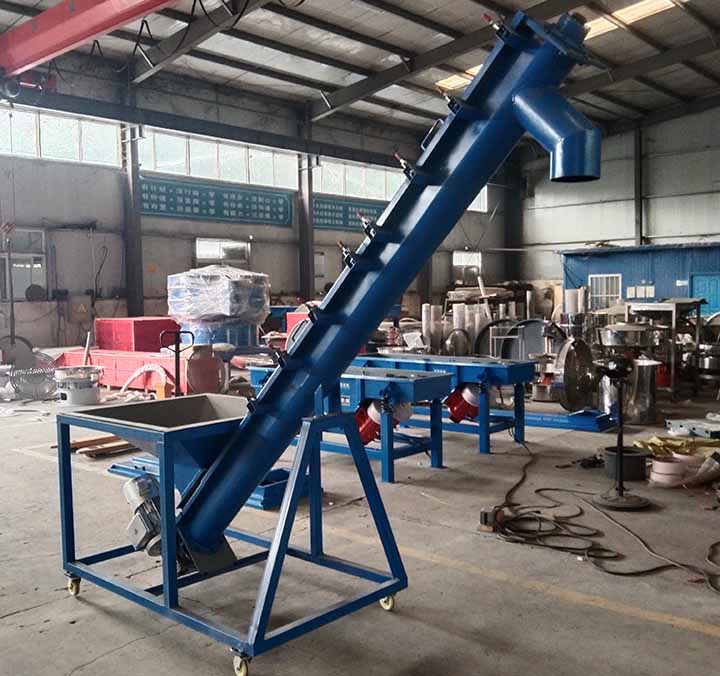
This conveying equipment is installed in the following specific industrial processing stages to ensure the stable transfer of materials.
Waste Tire Recycling Line: After the steel wire separation and fine crushing processes, this line lifts fine particles (20-80 mesh) from the outlet of a three-stage crusher to a vibrating grading and screening machine.
Rubber Modified Asphalt Mixing Plant: In the highway asphalt batching stage, rubber powder from the weighing hopper is fed evenly and quantitatively into a high-temperature modification reactor, where polymer cross-linking is completed within a specific time.
Reclaimed Rubber Manufacturing Internal Mixing Process: Before mixing the rubber powder with the desulfurizing agent, this equipment is responsible for conveying the material from the ground feed hopper to the premix hopper of the high-level internal mixer.
Frequently Asked Questions
Q: What if ultra-fine rubber powder (80 mesh or finer) leaks from the flange connection?
A: We insert 5mm thick high-temperature resistant silicone rubber sealing rings between all flange connection surfaces and use high-strength bolts for tight securing, combined with a pneumatic positive pressure seal at the shaft end, to prevent micro-powder leakage.
Q: If some fine steel wires remain in the tire rubber powder, will it damage the blades?
A: For applications containing trace amounts of metallic impurities, we spray a 2mm thick tungsten carbide wear-resistant coating onto the feed-facing surface of the spiral blades. This coating achieves a surface hardness of HRC60 or higher, preventing steel wire from scratching the substrate.
Q: After prolonged operation, will frictional heat cause the rubber powder to melt and stick to the shaft?
A: This phenomenon is usually caused by high speeds. Our design employs a strategy of large pitch and low speed (controlled between 45-70 rpm) to control frictional heat generation, limiting the internal temperature to below 60°C.
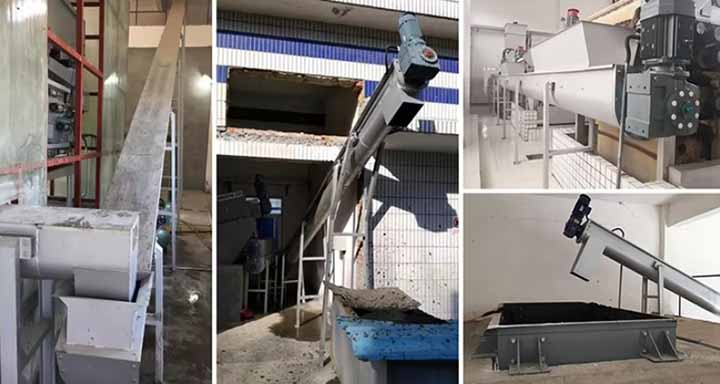
The key to handling rubber powder lies in overcoming its high viscosity, high friction, and flammability. The Rubber Powder Screw Conveyor constrains these challenging physical characteristics within a closed tube groove through thickened blades with specific gaps, positive pressure sealed bearings, and a fully conductive anti-static design. The machine provides stable conveying capacity and customizable tilt angles while helping factories reduce dust pollution and maintenance costs. When selecting a model, companies need to determine the final configuration based on the spatial span of the process nodes, the mesh size of the materials, and the material requirements.
Sugested Products
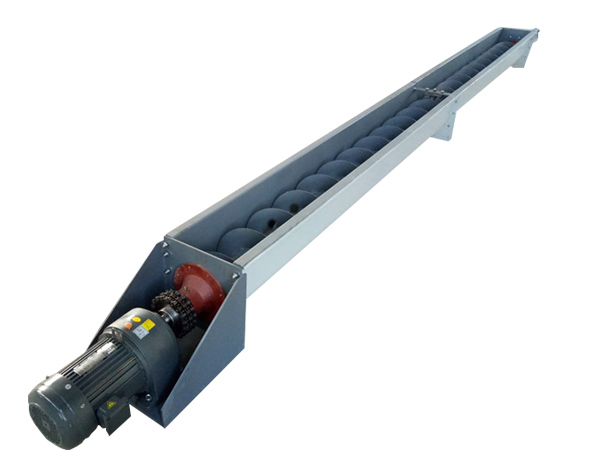
shaftless screw conveyor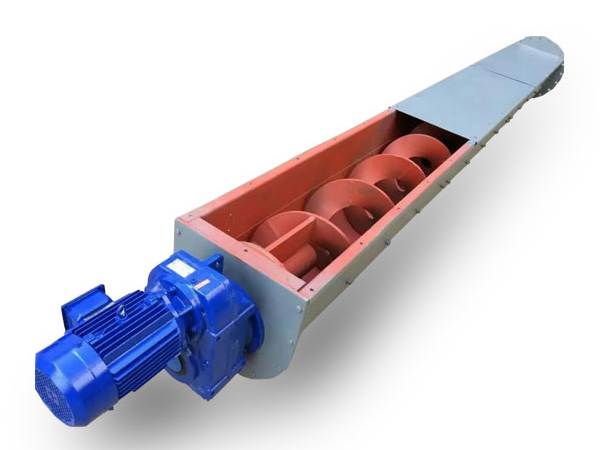
Auger Screw Conveyor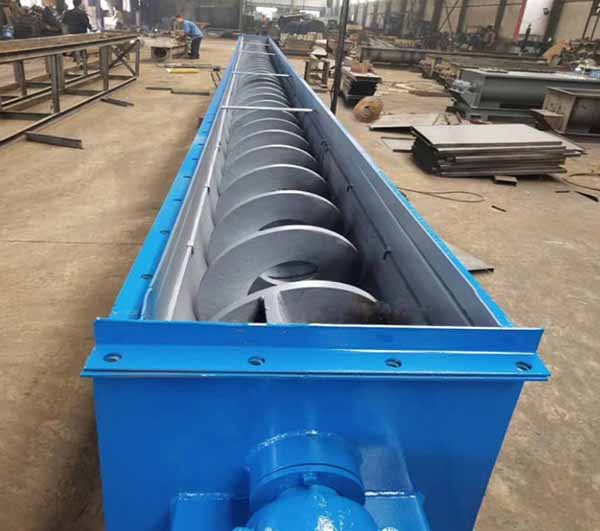
Heavy Duty U-Trough Screw Conveyor for Bulk Material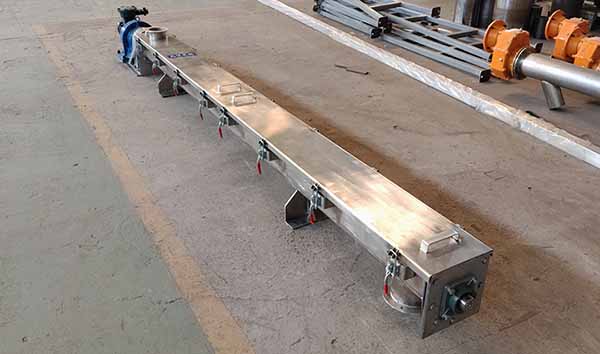
Fish Meal Screw Conveyor