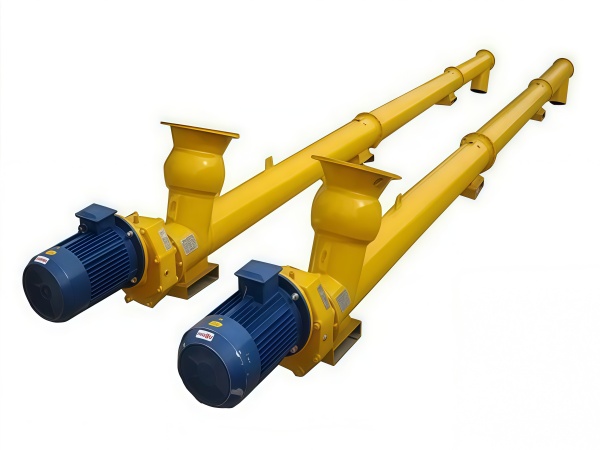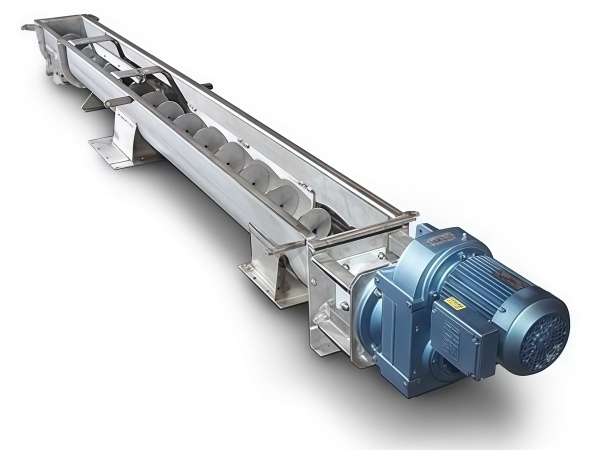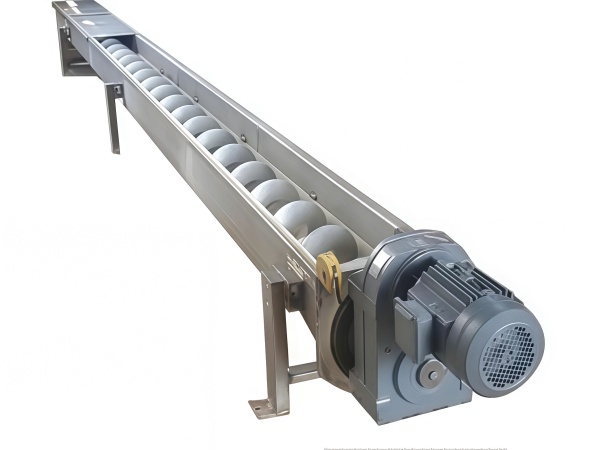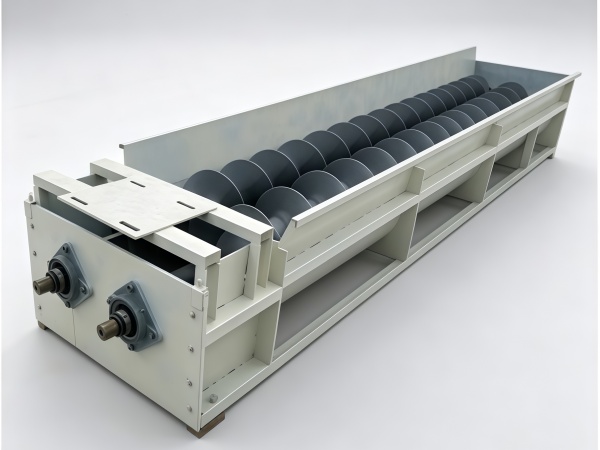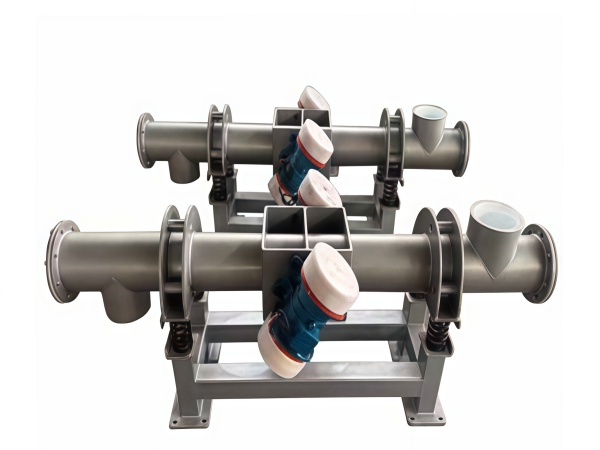
Tubular Vibratory Feeder Machine
- Feeding Capacity: 0.5 m³/h – 30 m³/h
- Tube Diameter: 100 mm – 400 mm
- Drive Mechanism: Dual Vibratory Motors / Electromagnetic Drive
- Sealing Interface: Quick-Clamp Dust-Tight Flexible Sleeves
- Material Options: Carbon Steel / SUS304 / SUS316L (Internal Polish Ra ≤ 0.8 µm)
Overview of Tubular Vibratory Feeder Machine
The Tubular Vibratory Feeder Machine is an enclosed dosing device featuring a seamless pipe cavity and high-frequency vibration drive, preventing dust leakage during material transfer while preserving granule structural integrity.
The Tubular Vibratory Feeder Machine is used for the continuous advancement of bulk materials inside sealed pipelines, isolating fine particles from contact with outside air. The feeding capacity is set between 0.5 and 30 cubic meters per hour, with vibration frequencies adjusted according to material bulk density. The tube structure utilizes seamless steel pipe, with diameters covering specifications from 100 mm to 400 mm and wall thickness set between 4 mm and 8 mm based on material abrasiveness. The drive system is equipped with dual vibratory motors or electromagnetic vibrators, generating linear vibration acceleration via rotating eccentric weights or pulsed electromagnetic force to push materials forward uniformly.
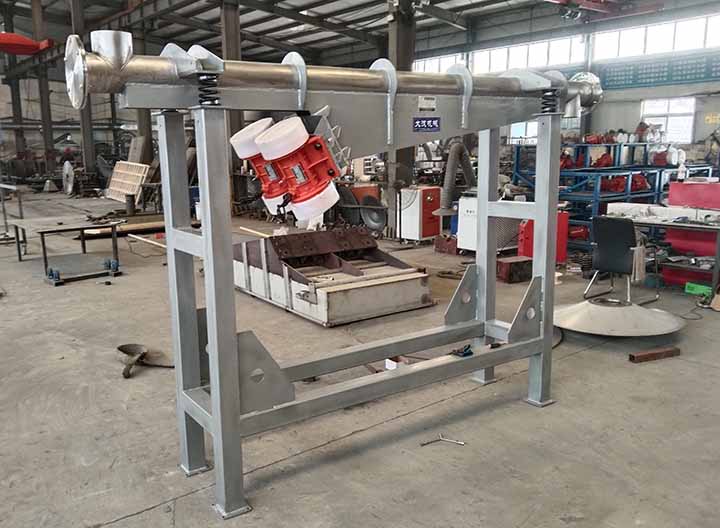
Enclosed Material Handling & Zero-Degradation Dosing
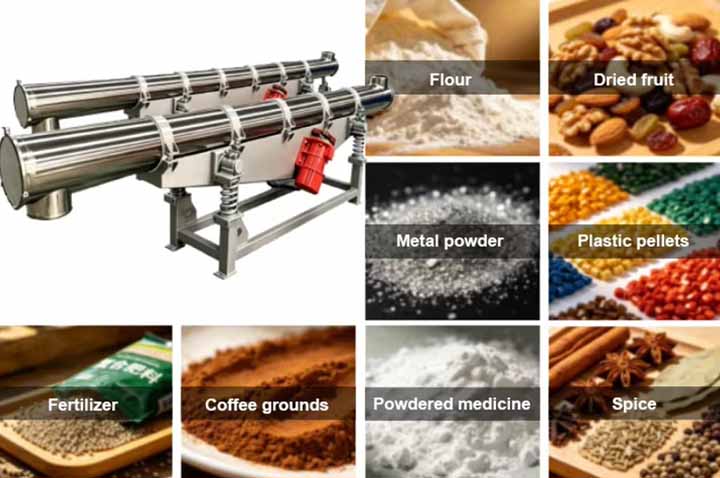
Micron-grade powders and fragile granules fly easily in open feeding equipment, increasing suspended particulate matter in workshops and harming the operating environment. Highly toxic, strong irritant, or deliquescent materials impose clear requirements on airtightness, while fragile extruded granules or crystals break easily under mechanical pressure. The Tubular Vibratory Feeder Machine constructs a closed-loop pipeline to contain materials within the tube cavity. Relying on micro-throwing forces, the equipment operates with no strong mechanical shearing between materials and the tube wall, reducing particle damage rates and mitigating dust escape and particle degradation.
Technical Specifications of Tubular Vibratory Feeder Machine
| Parameter | Specification / Range | Engineering Detail |
| Feeding Capacity | 0.5 m³/h – 30 m³/h | Volumetric rating based on bulk density |
| Tube Diameter | 100 mm – 400 mm | Heavy-wall seamless pipe design |
| Drive System | Dual Motors / Electromagnetic | Adjustable vibration amplitude via VFD |
| Inlet/Outlet Seal | Flexible Sleeve with Clamps | Canvas or silicone vibration-isolation sleeve |
| Main Material Grade | SUS304 / SUS316L / Carbon Steel | Internal mechanical polish up to Ra ≤ 0.8 µm |
| Control Interface | 4-20 mA / PLC Automation | Interfaced with volumetric feeder machine systems |
Working Principle: Sealed Linear Vibration & Volumetric Dosing
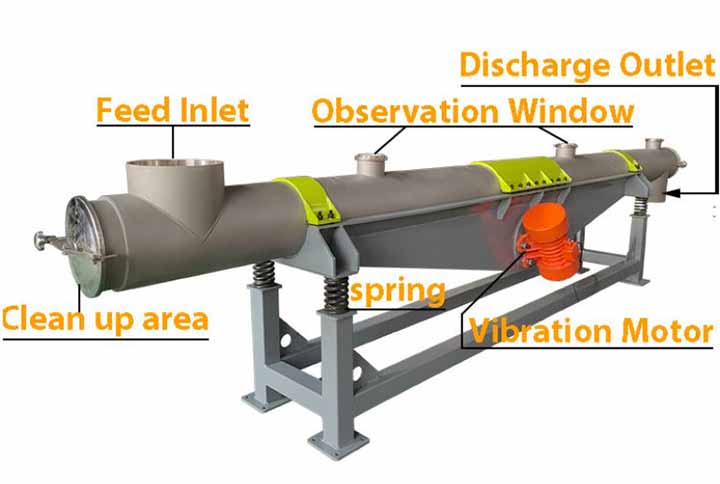
The Tubular Vibratory Feeder Machine relies on exciting forces generated by the vibration source to push materials forward. Functioning as an enclosed tubular alternative to a syntron feeder machine structure, the exciter drives the tube body to perform high-frequency reciprocating linear motion along an inclined angle, causing materials inside the pipe to make micro-throwing jumps under force.
The tube body acts as an enclosed volumetric feeder machine cavity, where materials advance along a linear trajectory, exhibiting a feeding state similar to a syntron vibrating feeder machine. Quick-clamp flexible sleeves are installed at the inlet and outlet to block vibration from transmitting to upstream and downstream fixed equipment. The unit can adapt to existing pipeline layouts of aviteq tube feeders or aviteq tubular feeder units, realizing a dust-free quantitative transport process similar to a syntron volumetric feeder.
Tubular Vibratory Feeder vs. Screw Feeder vs. Open Trough Feeder
| Comparison Dimension | Tubular Vibratory Feeder | Screw Feeder | Open Trough Feeder |
| Internal Moving Parts | No rotating shafts or flights | Rotating screw shaft and bearings | No rotating parts in trough |
| Dust Containment | Sealed pipe with flexible sleeves | Sealed housing with shaft seals | Open trough allows dust escaping |
| Material Degradation | Zero shear friction via throwing action | High shear action breaks granules | Zero shear friction |
| Cleaning & Maintenance | Smooth pipe with no dead zones | Flight edges trap residual powders | Open trough easy to wash |
| Bearing Wear Risk | External isolation springs, no bearings | Internal end bearings prone to wear | Isolation springs only |
Sealing Engineering & Structural Options
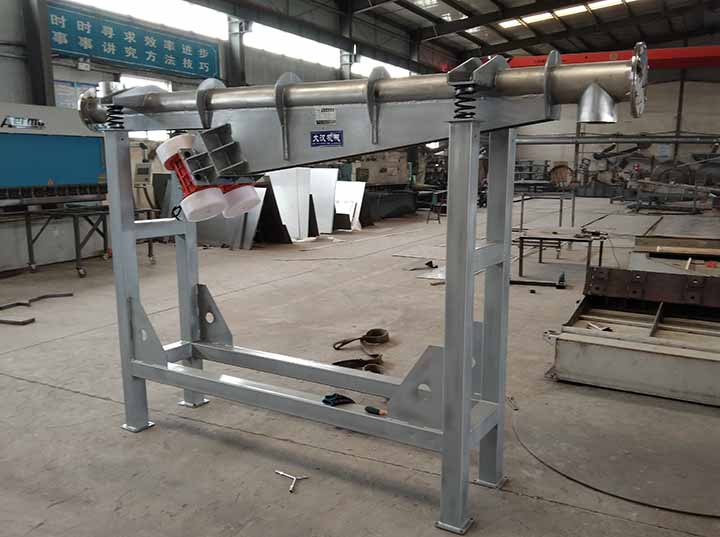
The inlet and outlet ports utilize silicone or fluoroelastomer flexible sleeves secured with quick-clamp assemblies to isolate tube vibration energy and block dust from leaking through gaps.
For operating conditions requiring frequent cleaning, the stainless steel tube interior is polished to Ra ≤ 0.8 µm, removing weld reinforcement and surface pits to prevent material buildup. Tube structures offer options for integral or quick-disassembly segmented designs, facilitating water washing and air drying operations to maintain internal pipe cleanliness.
Industrial Applications & Dust-Free Dosing
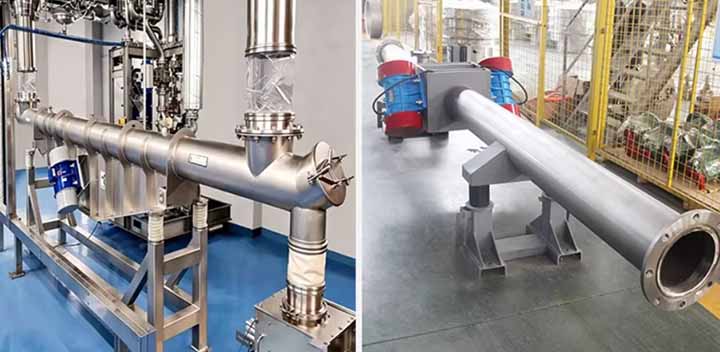
The equipment is applied in fine chemical catalyst and additive feeding lines, battery material positive/negative powder sealed transfer sections, food processing plant spice and granular material feeding stages, and high-purity mineral powder quantitative dosing systems. In automated batching conditions, paired with loss-in-weight scales or variable frequency drives, the feeder responds to control signals to adjust vibration amplitude, maintaining stable material flow rates.
Frequently Asked Questions
Q: What is the primary advantage of a tubular vibratory feeder over a traditional screw feeder?
The tubular vibratory feeder features no internal rotating screws or bearings. Materials advance through micro-throwing jumps without experiencing shearing or extrusion from screw flights, reducing particle degradation rates and mechanical wear maintenance frequency.
Q: How do the flexible connections at the inlet and outlet prevent dust leakage during vibration?
The inlet and outlet use wear-resistant silicone or rubber flexible sleeves secured with quick-clamps. While absorbing vibration displacement from the tube, the sleeves construct a sealed passage that prevents fine dust from escaping into the workshop.
Q: Can this machine replace legacy syntron feeder machines or aviteq tube feeders in existing lines?
Yes. Tube diameters, flange connection dimensions, and mounting bases can be customized according to engineering drawings of existing syntron feeder machine or aviteq tubular feeder installations to fit existing production line spaces.
Packaging and Transportation
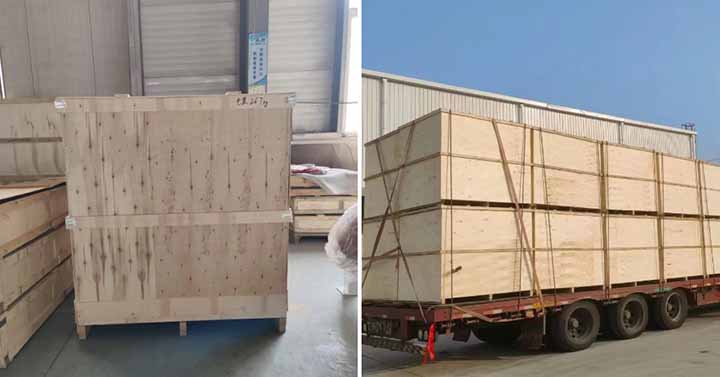
The Tubular Vibratory Feeder Machine utilizes a fully enclosed seamless steel pipe and linear vibration drive to block dust escape and lower material shear damage. The equipment addresses issues of excessive suspended particles in powder workshops and fragile granule degradation, improving physical control during material transfer. By offering quick-clamp flexible sleeves, DN100 to DN400 pipe diameter specifications, and Ra ≤ 0.8 µm polished cavities, the equipment adapts to quantitative feeding scenarios in fine chemicals, battery materials, and food granules. Providing a flow adjustment range from 0.5 m³/h to 30 m³/h, it reduces workplace dust concentration as well as equipment cleaning and maintenance difficulty.