Bulk Material Belt Conveyor System
Tuesday March-31 2026 15:53:47
In many factories and mines, bulk material transportation often faces challenges such as high dust levels, high handling costs, and heavy reliance on manual labor. Frequent interruptions during material transfer can also lead to waste and equipment wear. The Bulk Material Belt Conveyor System is a belt conveyor solution that has gained attention from businesses in this context. Through continuous bulk material handling, it integrates fragmented and disparate transportation processes into a stable conveyor path, creating a seamless process from loading to unloading while reducing the uncertainty caused by human intervention.
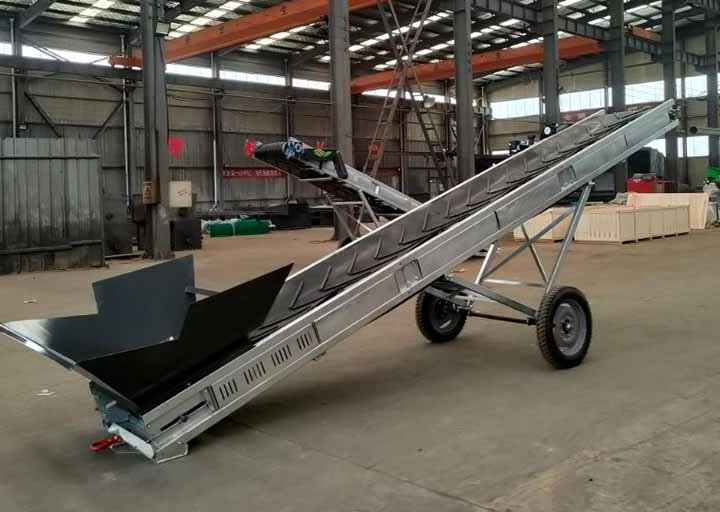
What is a bulk material belt conveyor system?
Simply put, a Bulk Material Belt Conveyor System is a system that uses a belt to transport powdery, granular, or lumpy materials from one location to another. Common belt materials include rubber belts, PVC belts, and wear-resistant composite materials, which can be selected based on the characteristics of the transported material. In practical applications, conveying distances can range from a few meters to hundreds of meters or even longer; conveying capacities range from a few tons per hour to thousands of tons per hour, suitable for production needs of different scales. Belt widths typically range from 400mm to 2000mm, with 800mm to 1200mm being common in medium-sized sand and gravel production lines, while narrower configurations may be chosen for grain or light material conveying.
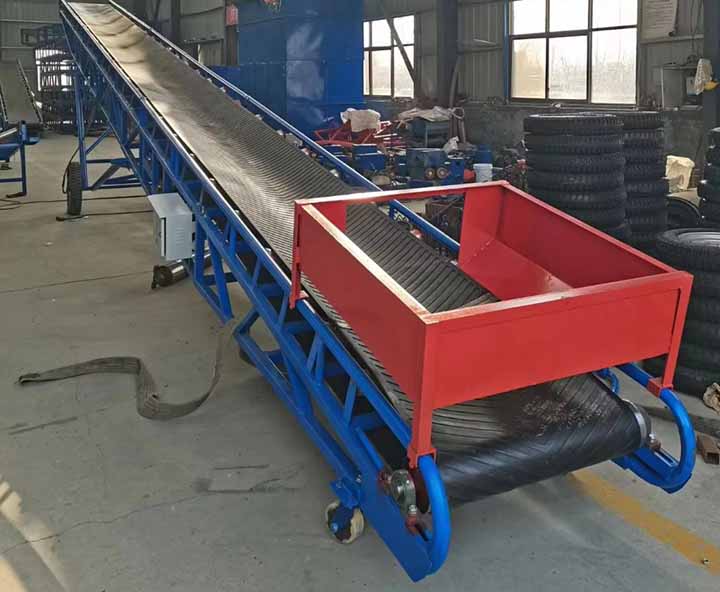
What are the benefits of a Bulk Material Belt Conveyor System?
Why is such a system needed? It reduces the burden of manual handling, allowing personnel to focus on more valuable tasks. Continuous conveying ensures a smoother production rhythm, preventing material accumulation or supply disruptions. For scenarios requiring long-distance transport, such as from mines to crushing plants or docks to warehouses, long-distance belt conveyor systems are easier to manage and plan spatial layouts than vehicle transport. The system can be customized to fit the site, facilitating the transport of bulk materials.
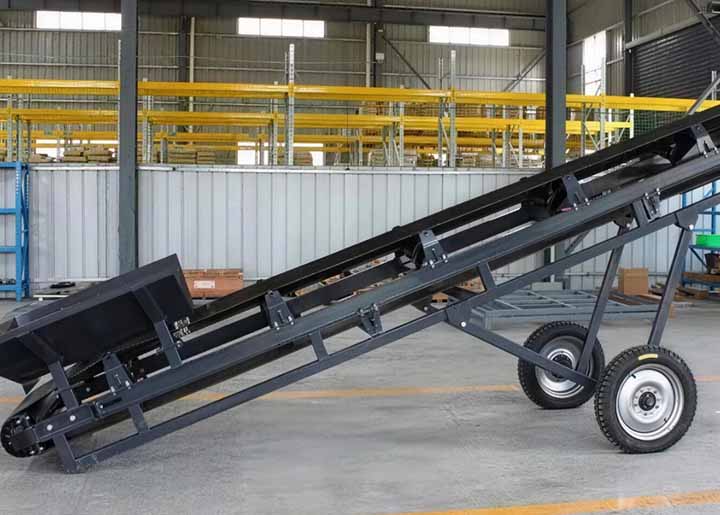
Bulk Material Belt Conveyor System Model Table
| Model | BW Belt Width (mm) | Max Capacity (t/h) | Belt Speed (m/s) | Max Grain Size (mm) | Typical Motor Power (kW) |
| B500 | 500 | 80 - 150 | 0.8 - 2.0 | < 100 | 5.5 - 11 |
| B650 | 650 | 150 - 300 | 1.0 - 2.5 | < 150 | 7.5 - 22 |
| B800 | 800 | 300 - 600 | 1.25 - 3.15 | < 200 | 11 - 45 |
| B1000 | 1000 | 500 - 1200 | 1.6 - 4.0 | < 300 | 22 - 90 |
| B1200 | 1200 | 800 - 2000 | 2.0 - 4.5 | < 400 | 37 - 160 |
| B1400 | 1400 | 1200 - 3000 | 2.5 - 5.0 | < 500 | 55 - 250 |
| B1600 | 1600 | 2000 - 4500 | 3.15 - 5.0 | < 600 | 75 - 400 |
Note: The actual capacity depends on material density, inclination angle, and belt speed. We offer customized solutions for specific industrial needs.
Factors to consider before purchasing a Bulk Material Belt Conveyor System
Several aspects need to be considered before purchasing a Bulk Material Belt Conveyor System. For example, material characteristics—whether it's dry granules or sticky wet material—will affect the belt type and cleaning method; conveying distance and lifting height will determine drive power and structural design; site conditions, such as whether there are bends, slopes, or space limitations; and there are also post-maintenance costs, including the frequency of replacing wear parts and ease of maintenance. Additionally, some customers may focus on questions like "price of long-distance conveyor belt systems for mining" or "recommended conveyor belt solutions for grain loading and unloading," which require evaluation based on actual working conditions, rather than just looking at a single quote.
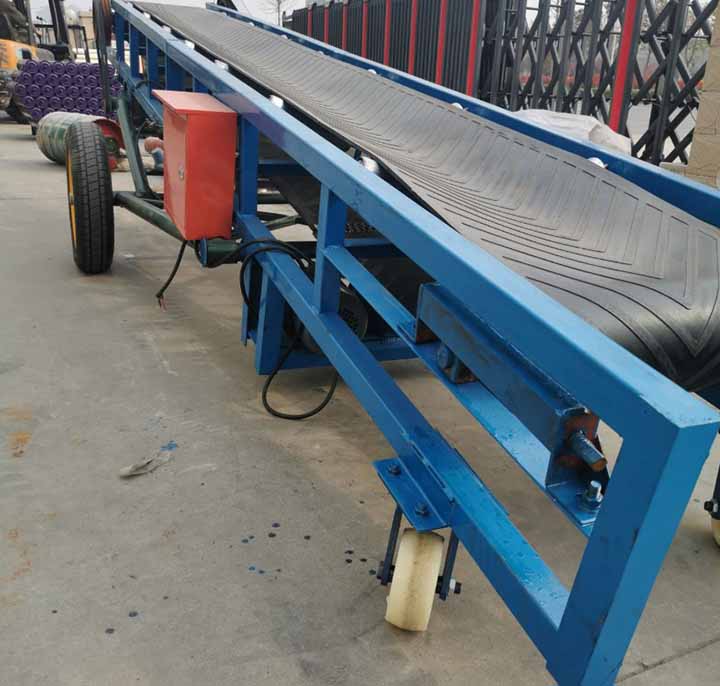
Common Components of a Bulk Material Belt Conveyor System
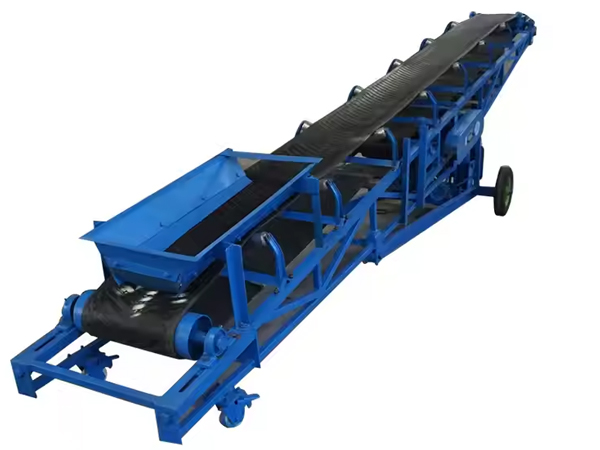
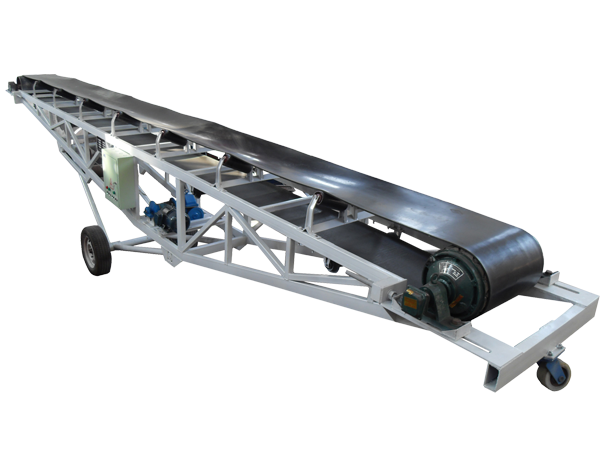
Structurally, a Bulk Material Belt Conveyor System consists of several common components, including the conveyor belt, drive unit, rollers, frame, take-up unit, and discharge cleaner.
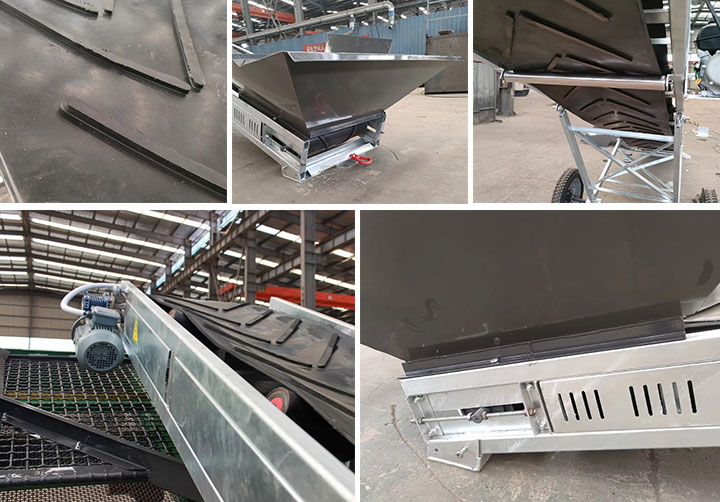
Conveyor Belt: This is the direct load-bearing point, usually reinforced with multiple layers of fabric or steel rope, with a robust structure capable of withstanding repeated stretching.
Drive Unit: This is the heart of the system, providing power to the entire belt; long-term stability must be considered when selecting one.
Idler Rollers and Drums: These rotating components support the belt. High-quality bearings reduce frictional resistance and extend service life.
Frame Structure: Thick channel steel or trusses withstand long-term vibration and heavy pressure, preventing easy deformation.
Scrapers: This inconspicuous small component scrapes away residue from the belt, preventing soiling of the equipment during the return trip and playing a crucial role in belt protection.
Bulk Material Belt Conveyor System Real-World Application Cases
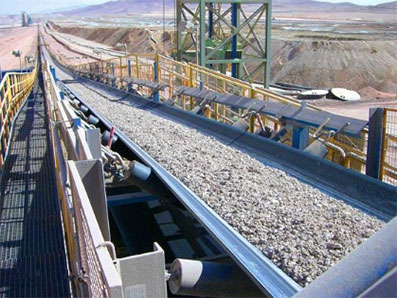
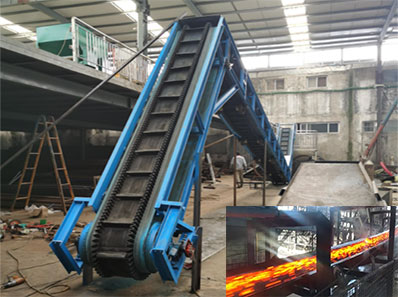
In practical applications, Industrial Conveyor Solutions have appeared in multiple industries. For example, a sand and gravel plant introduced a belt conveyor system when upgrading its production line to directly transport crushed stone to the screening area, reducing intermediate stockpiling; a grain storage company implemented multi-segment belt conveyors to achieve continuous operation from unloading to warehousing; and in port bulk cargo loading processes, mobile belt conveyors are used to distribute materials between different ship positions. These cases illustrate that a well-designed conveyor system not only improves process continuity but also makes site utilization more flexible.
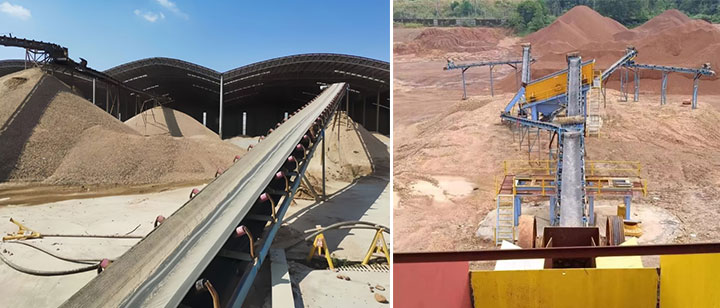
A Bulk Material Belt Conveyor System is not a single device, but a holistic solution built around conveying requirements. For purchasers unfamiliar with the equipment, understanding the characteristics of their materials and the usage scenario is the first step in selecting the appropriate solution. Based on this understanding, configuration should then be tailored to factors such as conveying distance, output, and maintenance conditions to ensure the equipment delivers stable value over the long term.