Industrial conveyor belts for transporting rocks
Thursday March-26 2026 14:01:12
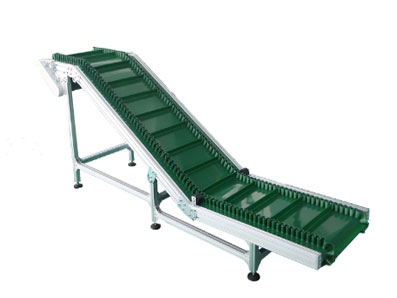
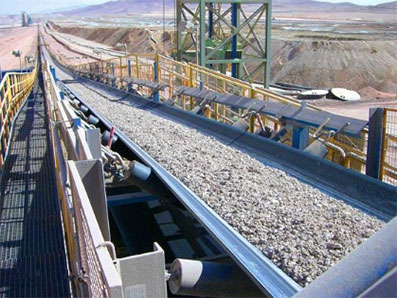
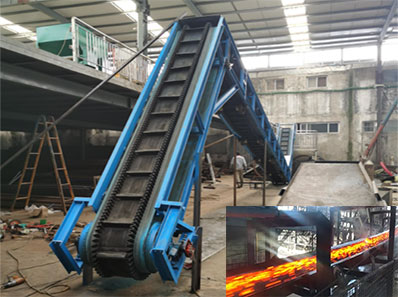
Industrial conveyor belts for transporting rocks refer to conveying systems used in industrial settings for the continuous transport of lumpy materials such as rocks and ores. These systems are commonly found in mines, quarries, and construction sites, moving raw materials from the extraction point to crushing, screening, or stockpiling areas. Depending on their structure and operating environment, common types include standard belt conveyors, wear-resistant rubber belt conveyors, steel cord conveyors, and inclined or ramp conveyors.
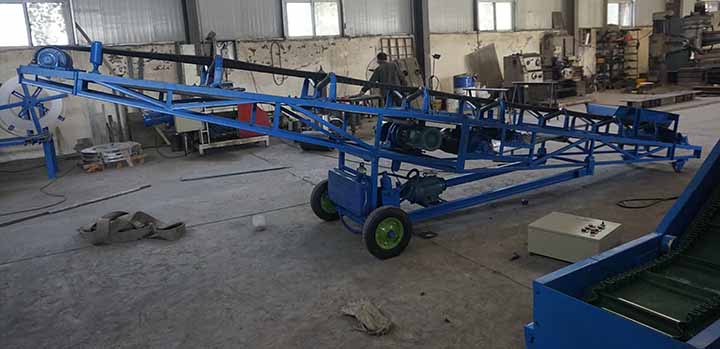
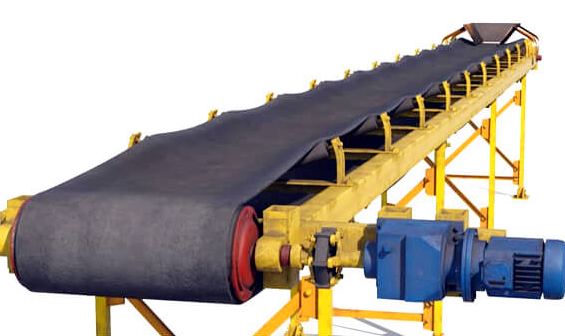
Industrial conveyor belts typically have a conveying capacity between 50 tons/hour and 3000 tons/hour, a belt width ranging from 500mm to 1600mm, an operating speed of approximately 0.8–4.0 meters/second, and a conveying distance usually ranging from 20 meters to 3000 meters. Short distances are often used for on-site transfers, while long distances are more common in continuous conveying systems in mines. In terms of materials, the belts are often multi-layered rubber, nylon, or steel wire reinforced structures to withstand impact and abrasion. The overall structure generally consists of a drive unit, rollers, idlers, supports, and the conveyor belt. During operation, a motor drives the rollers to rotate, causing the rocks to move along the belt.
What are the characteristics of industrial conveyor belts for transporting rocks?
Industrial conveyor belts for transporting rocks have the following characteristics,First, they allow for continuous conveying, reducing manual handling and making them suitable for long-term operation. They can maintain a stable rhythm in mines or quarries without frequent downtime. The product has good adaptability to blocky stones; the belt surface can be thickened or reinforced as needed to withstand greater weight. A buffer device can also be installed at the feed inlet to reduce the impact of falling stones. The product structure is relatively clear, and operation after installation is not complicated. Routine maintenance mainly focuses on replacing idlers, checking belt tension, and cleaning adhering materials. For undulating terrain, material conveying can be achieved by adjusting the support height or setting the inclination angle, maintaining stable operation within a certain slope range. This product can also be used in sections and combinations according to site conditions, facilitating the extension or shortening of the conveyor line and making it easier to adjust the layout when production schedules change.
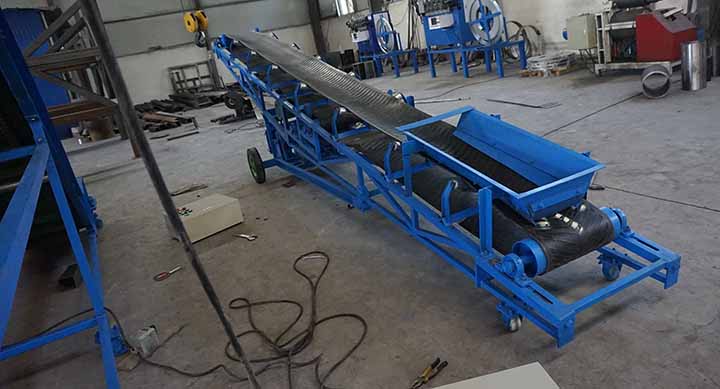
Industrial conveyor belts for transporting rocks for sale
The price of industrial conveyor belts for transporting rocks for sale varies considerably, mainly depending on specifications, length, and material. Small conveyors, 20–50 meters in length and 500–800 mm in width, cost approximately $3,000–$9,000. Medium-sized systems, such as those 50–200 meters in length and 800–1200 mm in width, generally cost between $10,000 and $20,000. Larger systems for mining, with widths exceeding 1200 mm and featuring a wire rope core, can cost $30,000–$90,000 or even more. Additional costs may apply to projects, such as installation, transportation, and infrastructure, which must also be factored into the budget.
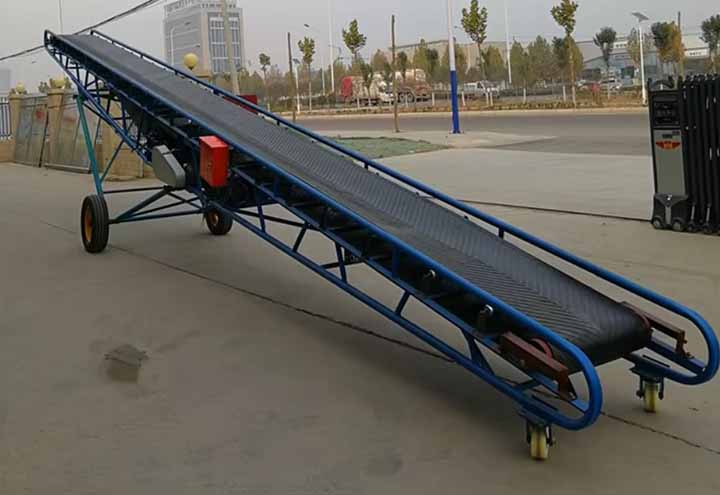
Industrial Conveyor Belts for Transporting Rocks Solutions
When choosing an industrial conveyor belt solution for transporting rocks, both stationary and mobile systems can be compared. Stationary conveyor systems are typically installed in a long-term location, suitable for mines or large quarries. Their advantages include structural stability, long coverage distances, and suitability for continuous production. Mobile conveyor systems are mounted on movable bases or wheeled structures, allowing them to be repositioned as work locations change. They are more suitable for short-term projects or environments with frequently changing sites. Fixed systems are suitable if the site is fixed and the conveying path is well-defined; mobile systems are more convenient if flexible adjustments to the work area are required. In some projects, both methods can be used in combination, for example, using a mobile product at the front end and connecting to a fixed conveyor line at the rear.
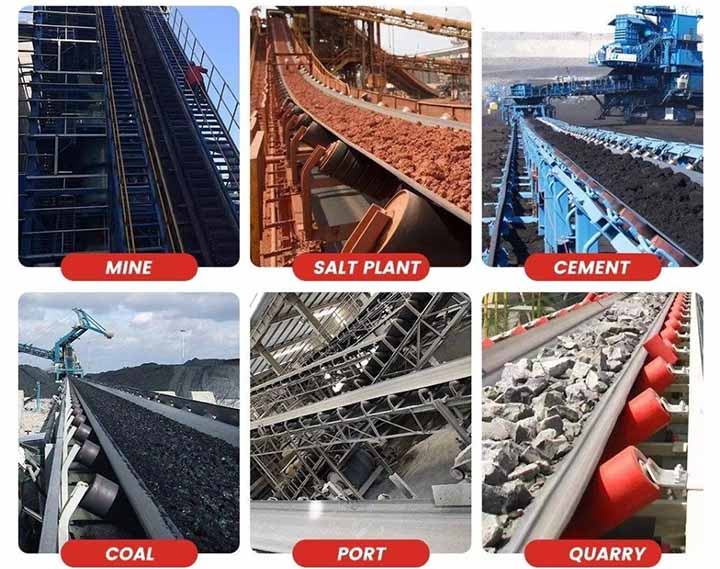
Industrial conveyor belts for transporting rocks are indispensable in stone processing. They reduce manual labor through continuous conveying and can be used in small quarries, large mines, and building material processing plants. When purchasing, the appropriate model and structure should be determined based on the conveying distance, material size, budget, and site conditions. Understanding the basic components and price range of the product helps to clearly express needs when communicating with suppliers, thus enabling a choice that suits the actual usage.