belt conveyor system price
Tuesday March-31 2026 09:35:18
What is the approximate price of a belt conveyor system? Generally, belt conveyor system price ranges from $1,180 to $29,055. Small, simple equipment may cost between $1,000 and $4,300, medium-sized systems typically range from $5,180 to $15,105, while longer distances or systems with multi-section structures can reach $15,070 or more. The price difference is due to factors such as the length, width, material, conveyed materials, and whether custom structures are required, all of which affect the final price.
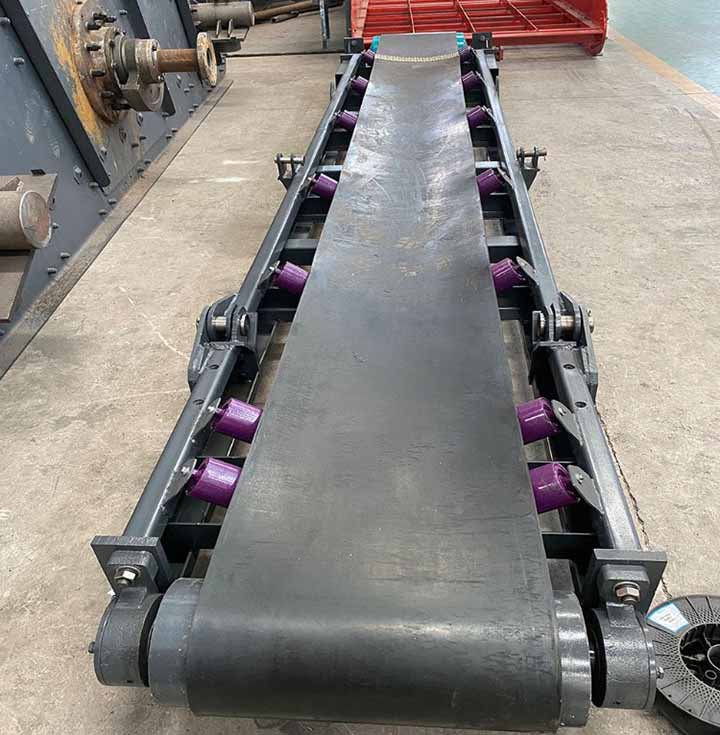
What factors influence belt conveyor system price?
The factors determining the price of a belt conveyor system cover multiple aspects. The length and width of the equipment directly determine steel consumption and power load, forming the basis of the quote. Material characteristics such as particle size, corrosiveness, and hygiene standards require matching belt materials, thus differentiating costs in the mining and food industries. The frame material is also crucial; carbon steel is cheaper, while stainless steel solutions, although more expensive, meet rust prevention and cleaning requirements. If the system includes non-standard structures such as inclines, turns, or multi-layer stacking, the manufacturing process and assembly difficulty will increase accordingly.
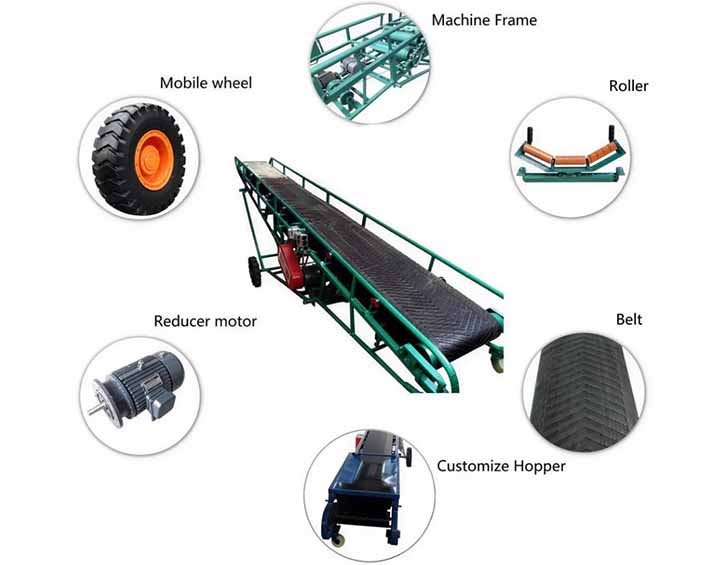
Different Types of Belt Conveyor Systems Prices
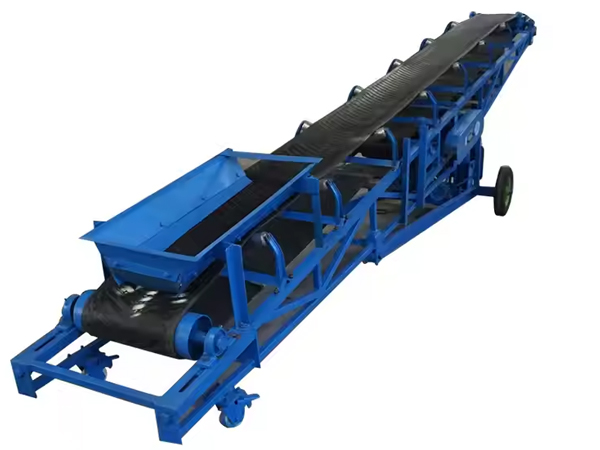
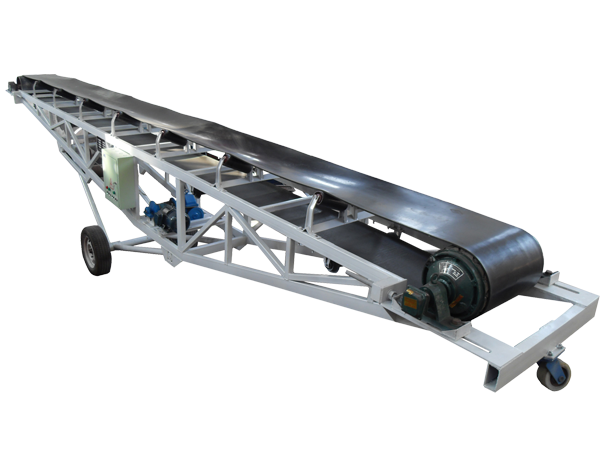
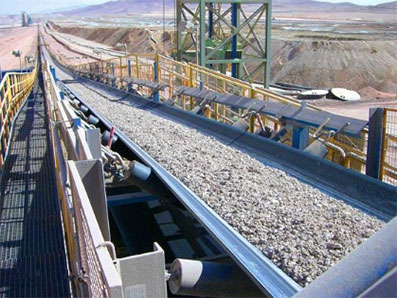
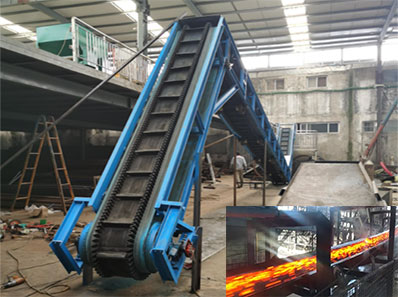
Different types of conveyors also have different prices. Straight belt conveyors, with their simple structure, generally cost between $1,170 and $7,505 and are suitable for short-distance transport. Conveyors with inclines, used for loading and unloading, typically cost between $3,035 and $13,060. For conveyor systems used in the food industry, due to the need for stainless steel structures and food-grade belts, the price is often between $4,705 and $15,050. Large conveyor systems used in mining or heavy industrial settings, with their long length and heavy loads, can cost between $17,035 and $50,080 or even higher. The choice depends on the product's usage environment and conveying requirements.
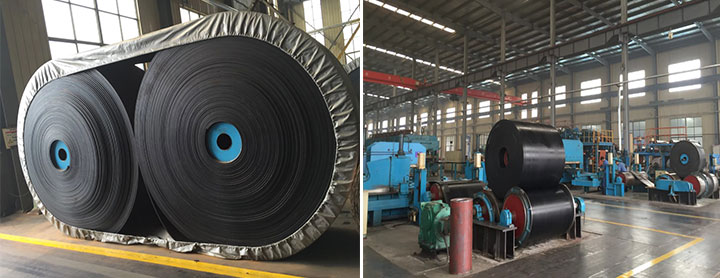
Belt Conveyor System Price Table
| Conveyor Type | Technical Configuration Details | Load Capacity | Price (per meter) | Price (per system) |
|---|---|---|---|---|
| Small Straight Conveyor | Carbon steel, 500-600mm PVC belt, 0.4kW - 0.75kW motor | Up to 30 kg/m | $100 – $300 | $1,000 – $5,000 |
| Medium Conveying System | Industrial Grade, 800mm width, Speed: 0.5-1.5 m/s, AC motor | 50 – 100 kg/m | $200 – $550 | $5,000 – $15,000 |
| Large Conveying System | Heavy-duty steel, 1000mm+ width, High-torque motor, VFD Control | 150 – 500+ kg/m | $450 – $1,100 | $15,000 – $55,000+ |
| Inclined Conveyor | Cleated/High-friction belt, Slope: 15°–45°, Brake system | 40 – 150 kg/m | $350 – $850 | $3,500 – $22,000 |
| Food-grade Conveyor | SUS304 Stainless Steel, FDA-approved PU belt, IP65 Motor | 20 – 60 kg/m | $550 – $1,300 | $5,500 – $28,000 |
| Custom Automated System | Curved/Multi-section, PLC Control, Integrated Sensors | Project-based | $900 – $2,500+ | $20,000 – $120,000+ |
Belt Conveyor System Price Cases
When considering belt conveyor system prices, you can refer to the following two practical examples. A small packaging plant needs to transport cartons from the production line to the storage area, a distance of approximately 15 meters. The configuration includes a carbon steel frame, 600mm wide belt, standard rubber belts, and a basic motor system, with an overall price ranging from $4,040 to $6,050. This solution has a simple structure and is relatively straightforward to install. A food processing company needs to transport products from the washing area to the sorting area, while also requiring easy-to-clean equipment. The system is approximately 30 meters long, uses a stainless steel frame, food-grade belts, and features a slight tilt design, and includes a waterproof motor, with an overall price ranging from $12,050 to $18,058. In this project, materials and the operating environment significantly impact the price.
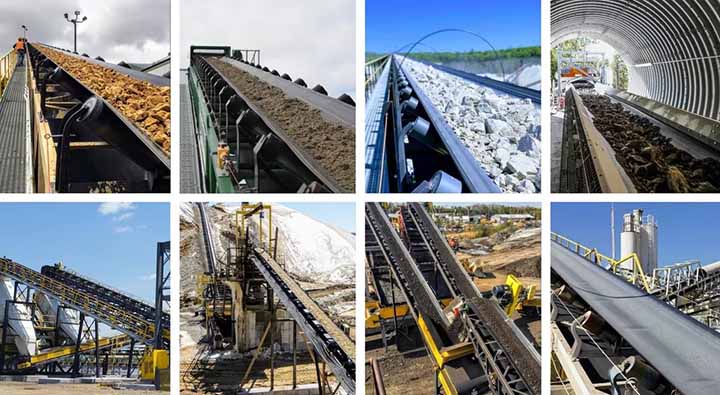
Belt conveyor system prices vary depending on actual needs. If you are unfamiliar with the products you are conveying, you should first clarify the conveying distance, material type, and operating environment before purchasing, and then discuss solutions with suppliers. By comparing quotes for different configurations, you can better understand the source of each cost and more easily find a solution that suits your budget. When purchasing, don't just look at the price. What's more important is whether the equipment matches the usage scenario. This will ensure smoother operation later and reduce unnecessary adjustment costs.