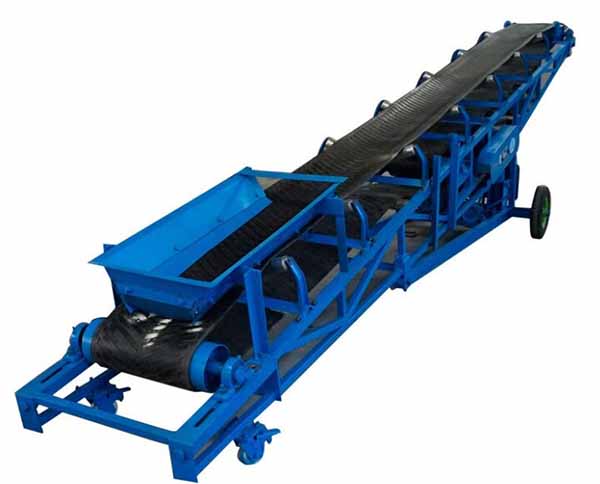
Bauxite belt conveyor
Conveying Capacity: 500 – 5,000 t/h
Belt Width: 800 mm – 1600 mm
Conveying Speed: 1.6 m/s – 5.0 m/s
Max Lump Size: 150 mm – 350 mm
Drive Power Options: 37 kW – 500 kW
Bauxite belt conveyor overview
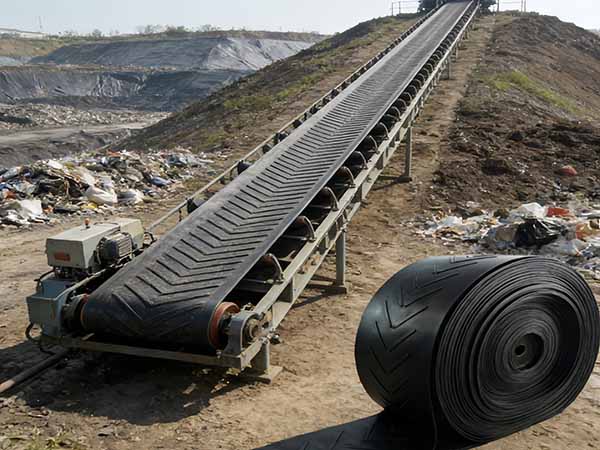
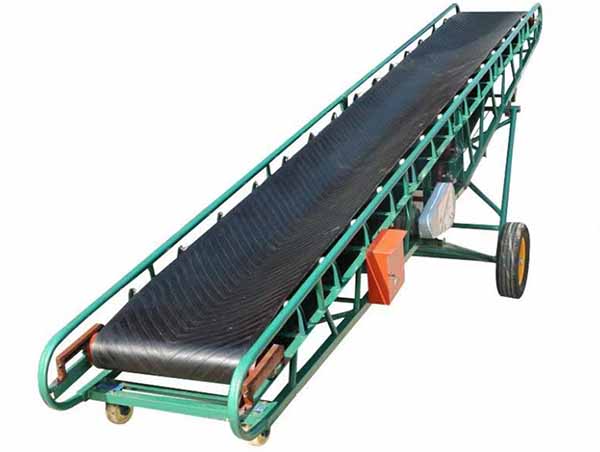
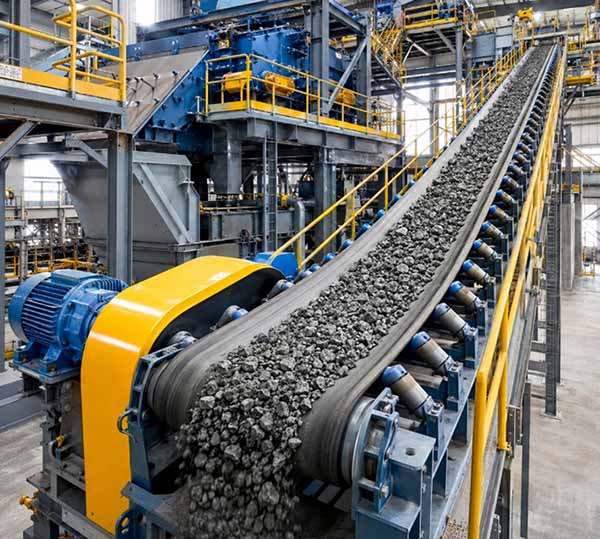
A Bauxite Belt Conveyor is a heavy-duty continuous transportation system specially engineered to efficiently handle abrasive, sticky, and high-impact bauxite ore over long distances or steep inclines.
Mined bauxite typically contains clayey soil that easily clumps and accumulates on mechanical parts; its hard, angular particles cause severe abrasion at contact surfaces. Furthermore, dust dispersion during the drying period requires strict containment control. The bauxite belt conveyor is the mechanical device that solves this bottleneck in continuous bulk material transportation. The machine's continuous conveying capacity ranges from 500 to 5000 tons per hour, with horizontal conveying distances covering 100 meters to over 15 kilometers. To resist the destructive properties of the material, its structural frame is made of hot-dip galvanized carbon structural steel, and the material contact parts are equipped with high-chromium wear-resistant liners and synthetic rubber polymers.
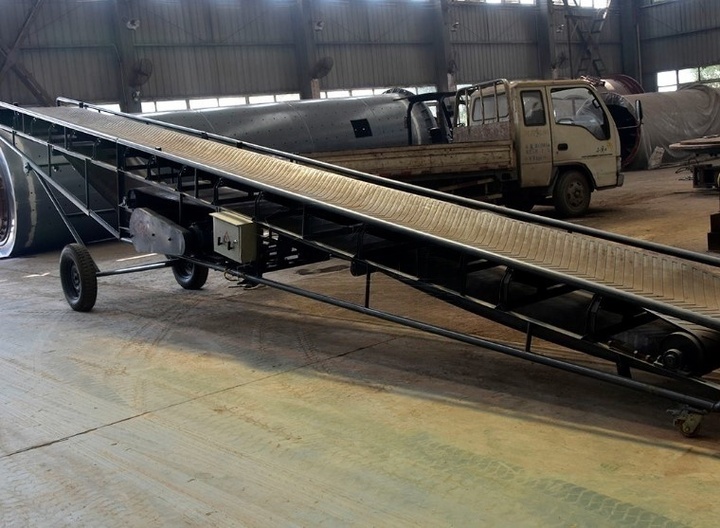
Bauxite Belt Conveyor Technical Details
Ordinary bulk material conveying systems are prone to premature damage due to the physical characteristics of bauxite. To address the characteristics of this ore, the system incorporates the following technical configurations:
Double-bladed tungsten carbide scraper: Gibbsite and diaspore have extremely strong adhesion. To prevent adhesion, the return section of the conveyor is equipped with a double-bladed tungsten carbide scraper cleaner, combined with an electrically operated rotary brush cleaning device. This prevents residual mud from accumulating on the return belt and disrupting the belt's trajectory.
High-manganese steel buffer bed: At large-drop transfer points such as the discharge port below the crushing station, large pieces of bauxite ore are discharged from the crusher. Here, a heavy-duty buffer bed lined with 12 mm thick high-manganese steel plates replaces the traditional ordinary buffer rollers to absorb the mechanical impact force when the material falls.
Steel cord core: Bauxite ore has sharp, pointed edges that can easily cut ordinary fabric belts. The conveyor belt's internal core uses a longitudinal steel cord core of ST2000 to ST5000 grade, covered with a thick, cut-resistant rubber cover, eliminating the risk of longitudinal belt tearing.
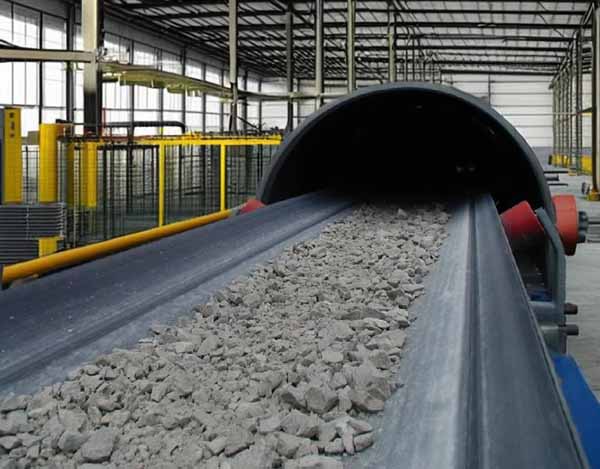
Enclosed Dust Cover: To control particulate matter during the dry season, the trough section above the conveyor is fully enclosed with an interlocking dust cover made of 3mm corrugated steel plate, and a water mist dust suppression ring is installed at the unloading chute.
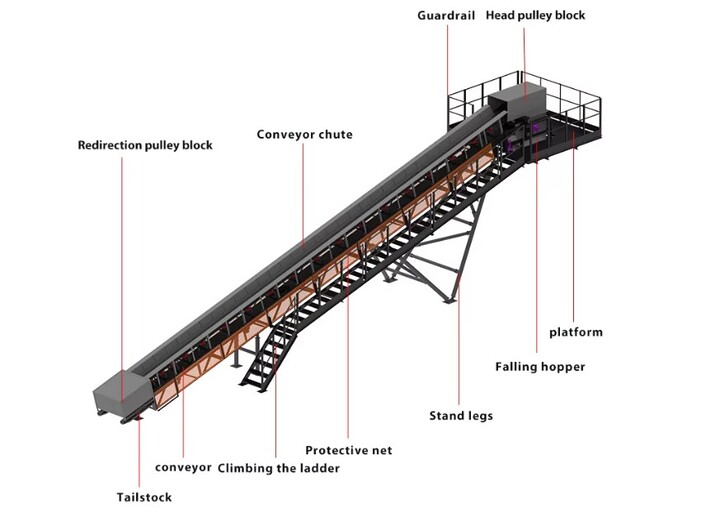
Model Parameter Table
| Model Indicator | Belt Width (mm) | Conveying Speed (m/s) | Maximum Capacity (t/h) | Maximum Lump Size (mm) | Recommended Drive Power (kW) |
| BB-800 | 800 | 1.6 – 2.5 | 600 | 150 | 37 – 110 |
| BB-1000 | 1000 | 2.0 – 3.15 | 1200 | 200 | 75 – 250 |
| BB-1200 | 1200 | 2.5 – 4.0 | 2200 | 250 | 132 – 500 |
| BB-1400 | 1400 | 3.15 – 4.5 | 3500 | 300 | 200 |
| BB-1600 | 1600 | 4.0 – 5.0 | 5000 | 350 | 400 |
Operating Application Scenarios
Bauxite belt conveyors can operate in various geographical environments and mining processing stages.
Guinea Open-Pit Mines: Used in the softer lateritic bauxite plateau areas of Boké and Kindia in Guinea. Long-distance conveyors transport softer lateritic bauxite from the mine pit directly to the railway loading station.
Jara Forest Long-Distance Conveyor Line, Australia: A long-distance horizontal bending belt conveyor operating in Western Australia. It transports low-grade gibbsite bauxite from forest mining sites directly to the coastal alumina smelter stockpile.
Jamaican Karst Transboundary Transport: Conveyors traverse rugged mountainous terrain and canyons, transporting high-speed bauxite collected in inland valleys to seaport terminals.
Alumina Plant Feeding System: Used to manage gibbsite or monohydrate stockpiles in indoor storage silos, directly unloading the material into the pre-roasting crusher.
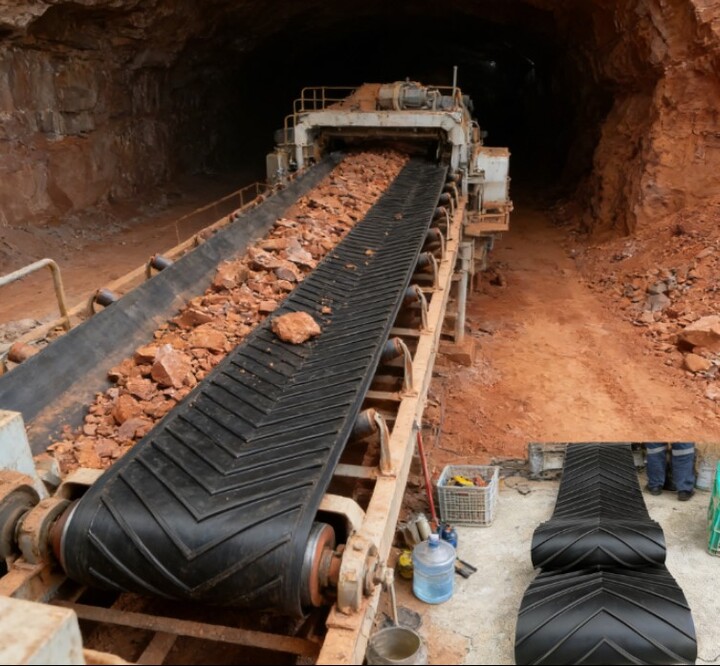
Field Application Case
In an expansion project of an alumina plant in West Africa, a 4.2-kilometer-long BB-1400 long-distance ground conveyor system was put into operation, traversing river canyons. This system transports unwashed lateritic bauxite with a particle size of up to 280 mm and a moisture content of 14%, equipped with ST3150 steel cord rubber belts. Before its implementation, the plant relied on diesel heavy-duty trucks for raw material transport; after implementation, thanks to the combination of polyurethane primary sweepers and ceramic-coated drive rollers, the conveying capacity has stabilized at 3200 tons per hour, replacing traditional truck transport and ensuring a stable daily raw material intake for the smelter.
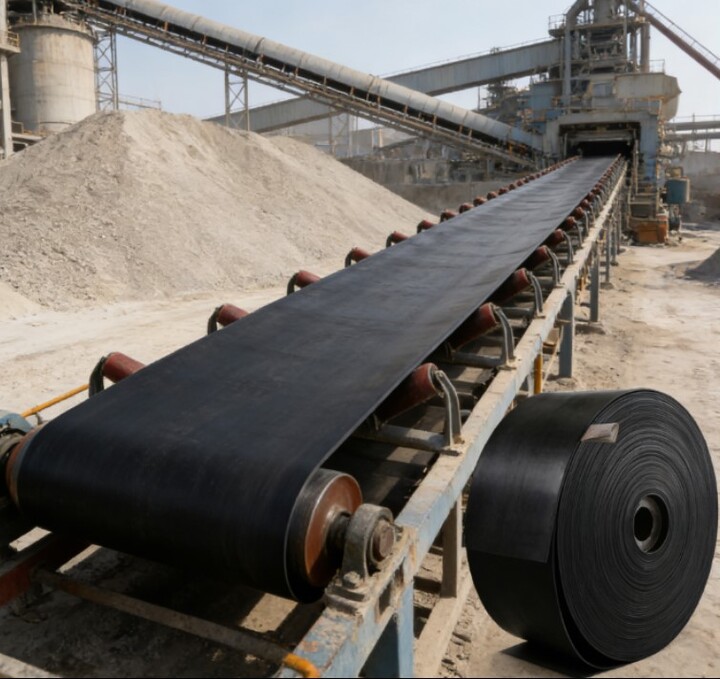
How much does a bauxite belt conveyor cost?
The purchase cost of a bauxite belt conveyor ranges from $8,900 to $31,500. Four main factors determine the total cost: First, the belt specifications; for long distances, steel cord belts are essential and significantly more expensive than ordinary polyester nylon belts. Second, the drive configuration; basic asynchronous motors and hydraulic couplings are less expensive, while permanent magnet synchronous motors with frequency converters are more costly. Third, wear protection; lining the chute with alumina ceramics or composite plates increases material costs but extends structural lifespan. Fourth, terrain; hilly and mountainous areas require trusses, towers, and complex braking systems, resulting in higher overall costs than flat terrain.
Frequently Asked Questions
Q: Which type of conveyor belt is more suitable for sticky or highly abrasive bauxite?
A: High-tensile steel cord conveyor belts with a DIN-X or ISO-H grade abrasion-resistant synthetic rubber cover have a longer service life. For sticky ores, a smooth, unpatterned cover rubber should be selected, and a heavy-duty polyurethane primary sweeper should be used to prevent material backflow.
Q: How is bauxite transported?
A: For short and medium distance transport within mines or smelters, bauxite is moved using heavy-duty belt conveyors. For long-distance regional logistics, bulk rail freight networks or articulated dump trucks are relied upon.
Q: How to choose a reliable bauxite belt conveyor manufacturer?
A: Compliant suppliers can provide conveyor belt tension calculations, material test certificates for abrasion-resistant liners, and operational examples of plants handling high-moisture clay or hard ores.
Q: What materials are typically used to manufacture the conveyor belts?
A: The internal skeleton of multi-layer fabric core belts uses a polyester nylon (EP) or nylon nylon (NN) interwoven fabric, while long-distance conveyor belts use longitudinally arranged steel ropes. The outer cover rubber is made of vulcanized styrene-butadiene rubber (SBR) or a blend of natural rubber.
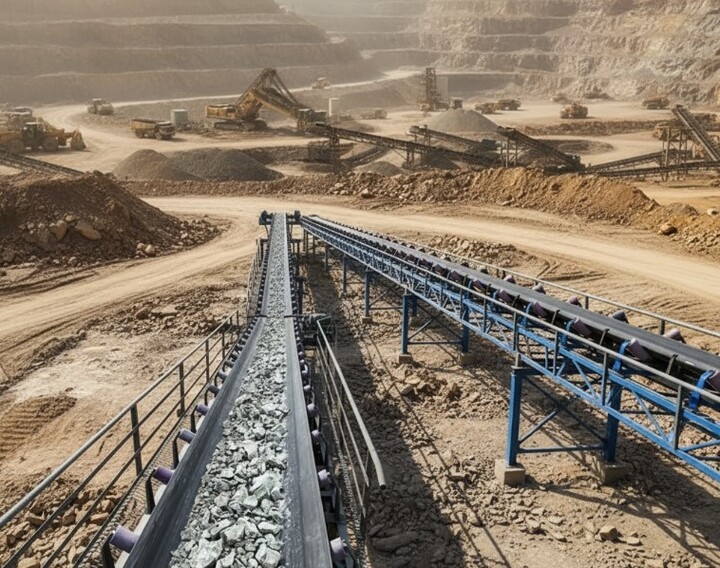
Transporting primary bauxite requires bulk conveying machinery capable of withstanding severe abrasion and material adhesion. Bauxite belt conveyors, as bauxite manufacturing equipment, enable continuous, high-volume transport from the mining site to processing facilities. By appropriately selecting steel cord conveyor belts, high-manganese steel buffer structures, and corresponding cleaning devices, mining companies can maintain consistent production output while reducing subsequent maintenance costs.