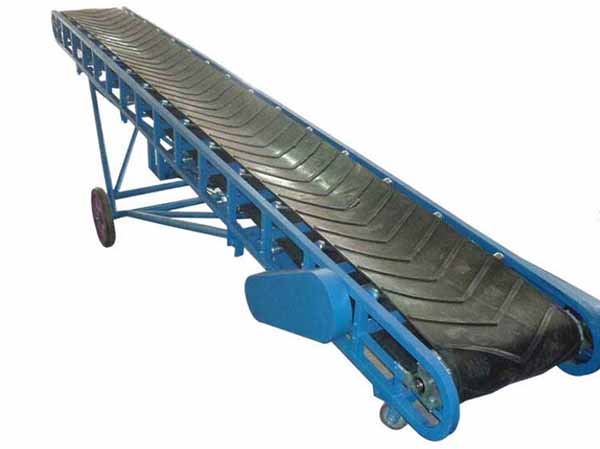
Iron ore belt conveyor
Belt Width: 1000 – 2000 mm
Operating Linear Speed: 2.5 – 5.0 m/s
Theoretical Conveying Capacity: 1200 – 8000 t/h
Maximum Allowable Particle Size: 200 – 400 mm
Applicable Bulk Density: 2.5 – 3.0 t/m³
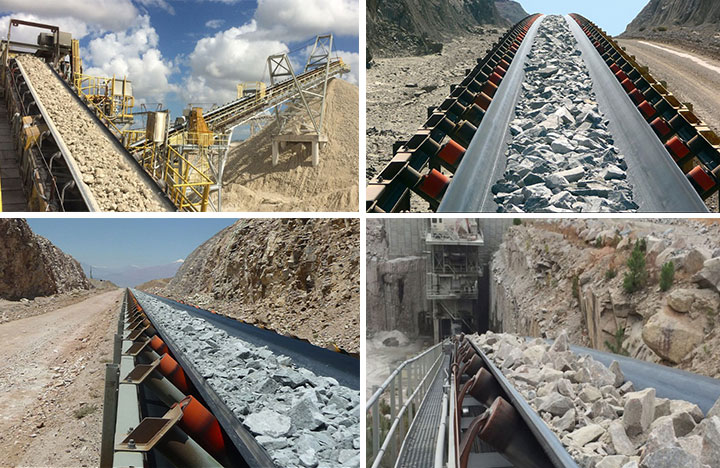
In mining and transportation, raw ore processing faces significant mechanical challenges. Iron ore has a bulk density of 2.5 to 3.0 t/m³, with sharp, angular lumps that are subject to intense erosion and abrasion. During ore beneficiation conveyor operation, continuous impacts at the material drop point often lead to belt punctures or misalignment. Ordinary equipment wears out extremely quickly and frequently malfunctions and causes downtime. To maintain continuous production in the beneficiation plant, heavy-duty iron ore belt systems must be directionally reinforced in the truss and receiving area to withstand extreme loads and impact stresses.
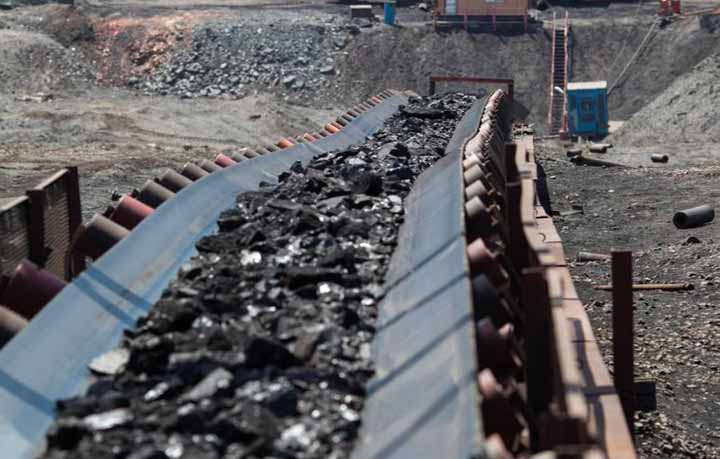
Therefore, iron ore belt conveyors have undergone technical upgrades. Heavy-duty iron ore belt conveyors can transport materials over distances of several kilometers, enabling uninterrupted long-distance transport. The system's linear speed is typically set between 2.5 and 5.0 m/s, balancing propulsion efficiency and belt life. In terms of conveying capacity, the equipment can handle 1200 to 8000 t/h per hour, with large systems even supporting throughputs of tens of thousands of tons per hour, ensuring the stable operation of the mining supply chain.
What are the advantages of belt conveyors for iron ore?
Ordinary bulk material conveying equipment is prone to frame deformation when handling high-density metal ores. The difference between heavy-duty belt conveyors for ore and ordinary sand and gravel conveyors lies in the rigidity of their steel structure and the configuration of the vulcanized rubber layer. Conventional conveyors often use fabric-core belts and light idlers, while heavy-duty systems for iron ore are equipped with steel cord conveyor belts and heavy-duty buffer beds below the material loading area. This structural contrast allows heavy-duty systems to support the enormous continuous weight of materials during long-distance transport, preventing the frame from bending under heavy pressure. By using a frame welded from thickened steel plates instead of assembled lightweight channel steel, the equipment maintains the stability of the overall structure when facing peak loads.
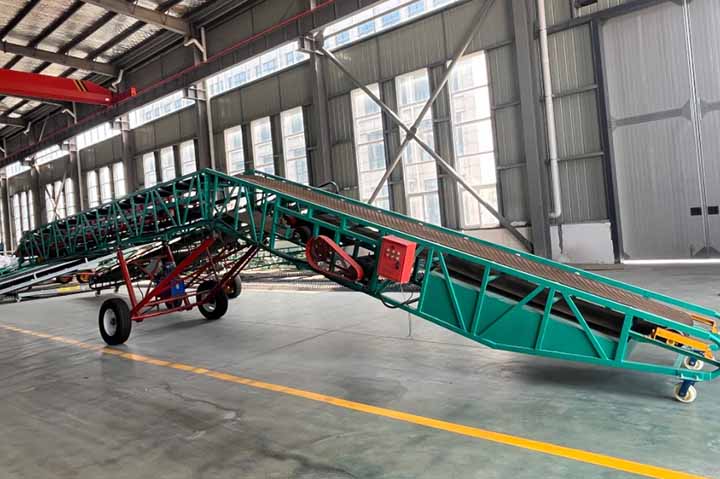
What types of belt conveyors are used for transporting iron ore?
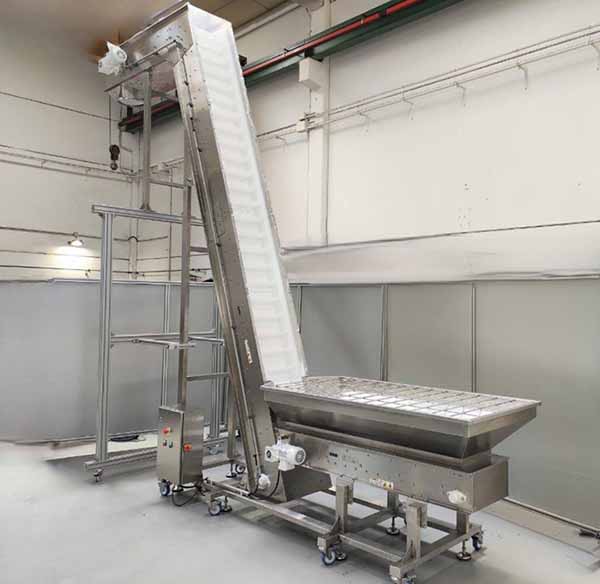
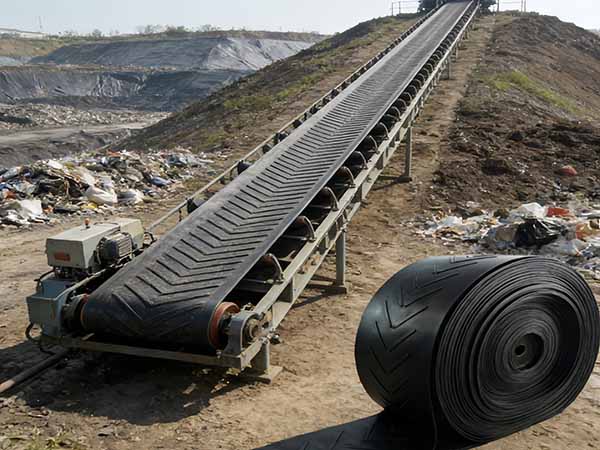
Different mine layouts require different types of iron ore belt conveyors. Long-distance surface belt conveyors typically span several kilometers of the ground, transporting raw ore from the forage yard to the storage yard. For sections with limited internal space requiring steep material lifting angles, corrugated sidewall conveyors with large inclination angles can lift materials vertically or at near-90-degree angles. In the material distribution process within a mineral processing plant, mobile unloading trolley belt conveyors move left and right along tracks to distribute materials into different storage bins or batching containers.
Iron Ore Belt Conveyor Model Parameter Table
The technical performance of this type of heavy-duty conveying system depends on the configuration of various geometric and physical parameters. The table below shows the general model parameters for heavy-duty mining configurations.
| Belt Width (mm) | Operating Linear Speed (m/s) | Theoretical Conveying Capacity (t/h) | Maximum Allowable Material Particle Size (mm) |
| 1000 | 2.5 | 1200 | 200 |
| 1200 | 3.15 | 2200 | 250 |
| 1400 | 4.0 | 3800 | 300 |
| 1600 | 4.5 | 5500 | 350 |
| 2000 | 5.0 | 8000 | 400 |
Iron Ore Belt Conveyor Components
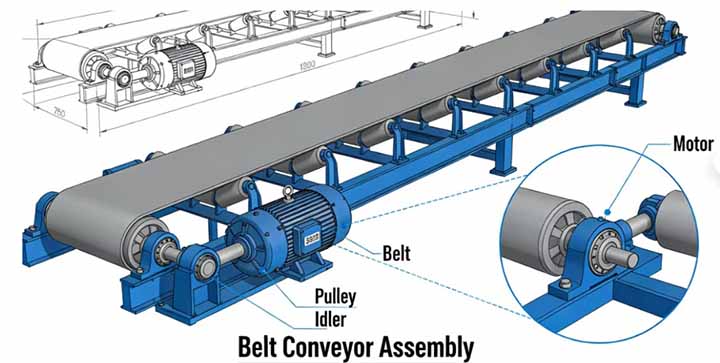
The complete conveyor system is composed of multiple mechanical components adapted to the heavy metal industrial environment. Manufacturers offering metal conveyors for sale in the industrial equipment market assemble them using specific specifications of ore conveyor parts. The heavy-duty conveyor belt, with embedded steel wire ropes, carries the material; the trough-type idler rollers are equipped with labyrinth seals to prevent fine mineral powder from entering the bearings; the drive unit consists of an electric motor connected to a hardened gear reducer, providing the torque required for heavy-duty starts. In addition, a polyurethane scraper cleaner is installed at the discharge roller to remove fine mineral powder adhering to the surface of the return belt.
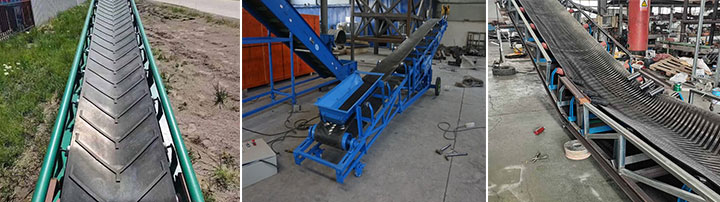
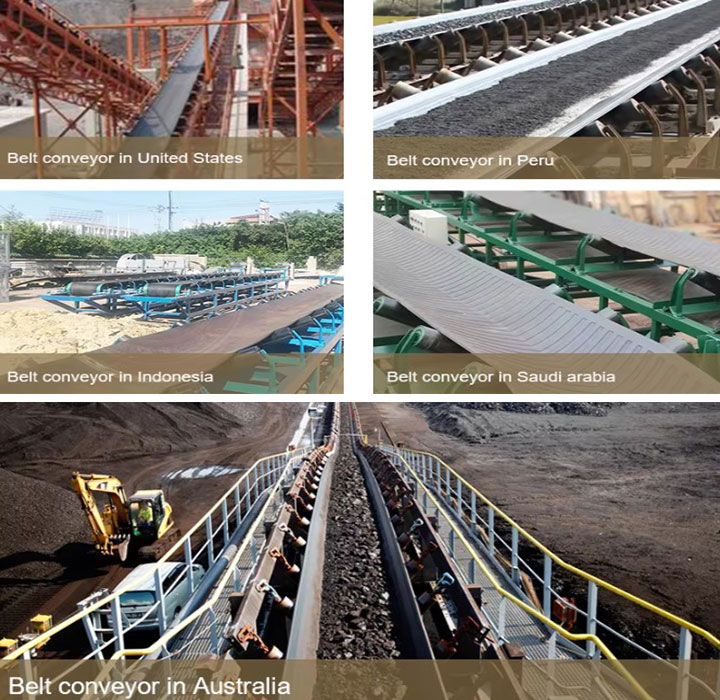
Iron ore belt conveyor case study
FAQ
Q1: What is the difference between an iron ore belt conveyor and a standard aggregate conveyor?
A1: Iron ore conveyors are equipped with thickened, wear-resistant rubber steel cord belts, capable of carrying heavy materials with a density of up to 3.0 t/m³; conventional aggregate conveyors mostly use fabric canvas belts, suitable for sand and gravel with a density of 1.6 t/m³. Furthermore, the steel frame, rollers, and drive shaft of the iron ore belt conveyor are all thickened in both wall thickness and diameter to prevent deformation under heavy loads.
Q2: How to choose the right belt conveyor for ore beneficiation plants?
A2: Selection is based on hourly transport tonnage, material moisture content, and terrain slope. When transporting high-moisture magnetite fine powder, a double-scraper polyurethane scraper cleaner is used; if the route includes an uphill section, the conveying angle of the trough belt is usually controlled within 18 degrees to prevent material slippage.
Q3: Do you provide custom layout designs similar to SKE belt conveyors or other top brands?
A3: Yes, our technical team provides customized engineering drawings, including truss dimensions, drum diameters, and motor power calculations. The designs conform to international brand technical specifications and can seamlessly integrate with existing crushing, screening, and aging conveyor systems in the mine.
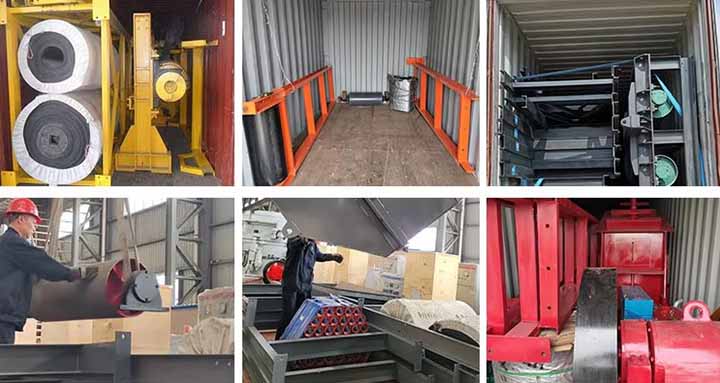
Iron ore belt conveyor shipping site
Industrial transport of heavy minerals relies on rigid material handling infrastructure. By configuring wire rope core belts, drop zone buffer brackets, and highly sealed idler bearings, wear and tear on the equipment under heavy loads can be slowed. Matching the belt width and motor power according to the specific bulk density of the ore is fundamental to maintaining operational continuity in the mine.