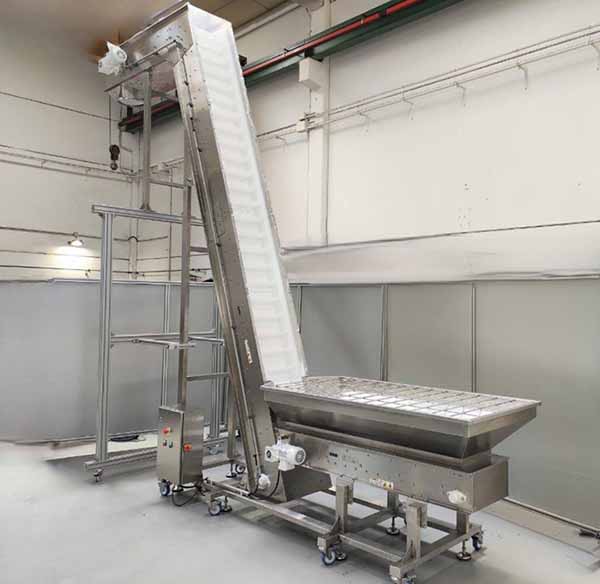
Oilseed belt conveyor
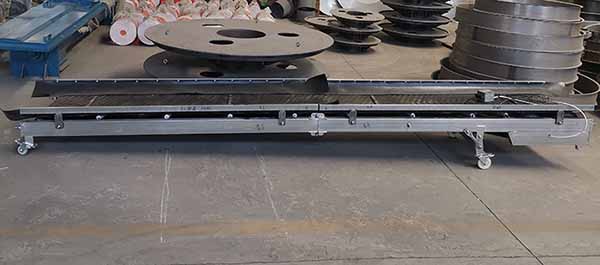
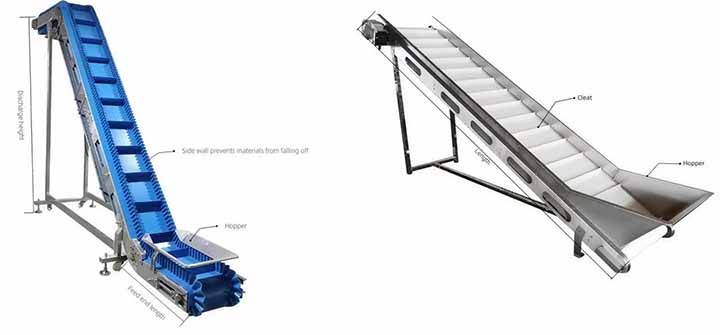
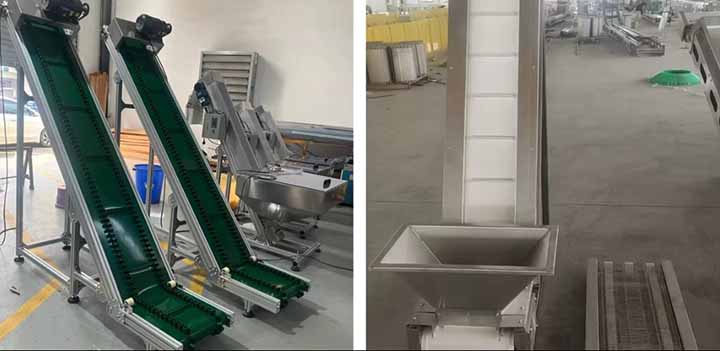
Food-grade SUS304: All stainless steel construction, corrosion-resistant and easy to clean.
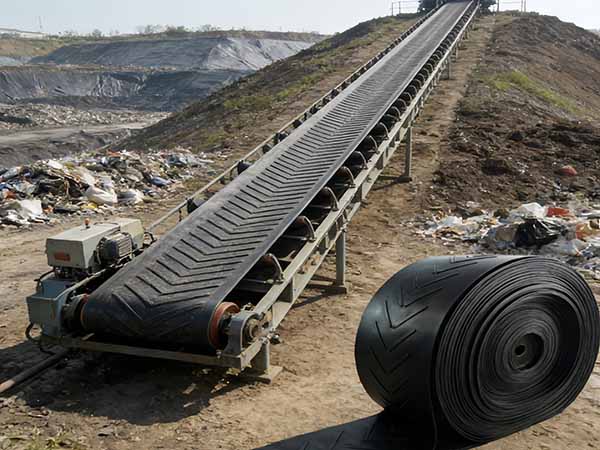
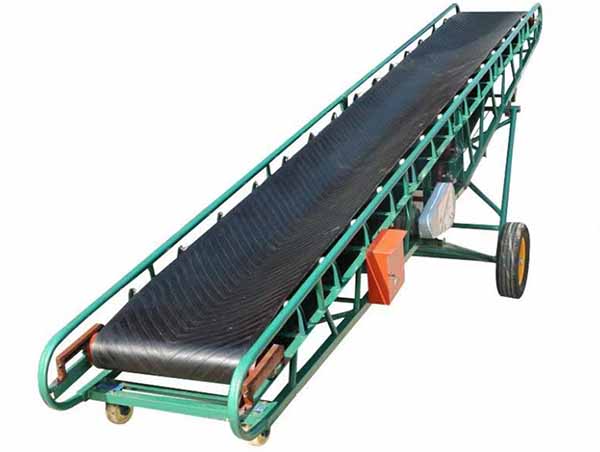
High-efficiency anti-slip corrugated skirt: Provides steep, wide-angle lifting without spillage.
Designed for high oil content: Oil-resistant and wear-resistant belt, zero material loss.
Safe, low-position large hopper: Grille protection ensures smooth, unobstructed feeding.
Heavy-duty swivel casters: Integrated control box for seamless integration with production lines.
Overview of oilseed belt conveyors
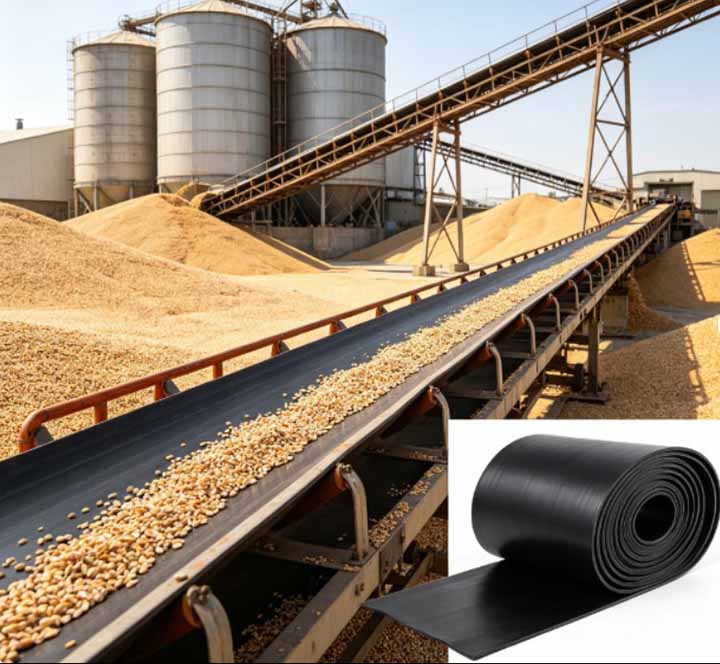
Oilseed belt conveyors are fundamental conveying equipment in the entire oilseed processing process, responsible for the movement of soybeans, rapeseed, peanuts, and sunflower seeds between storage and pressing workshops. The rated conveying capacity ranges from 10 tons to 500 tons per hour, with a single unit capable of conveying horizontal distances up to 150 meters.
In terms of construction materials, the load-bearing frame is typically made of high-strength carbon steel with a powder-coated finish; 304 stainless steel can also be used for special corrosive environments. The conveyor belt is made of NBR (nitrile rubber) or polyurethane (PU). Both belt materials possess resistance to vegetable oil swelling and will not delaminate, soften, or crack during long-term contact with oily materials.
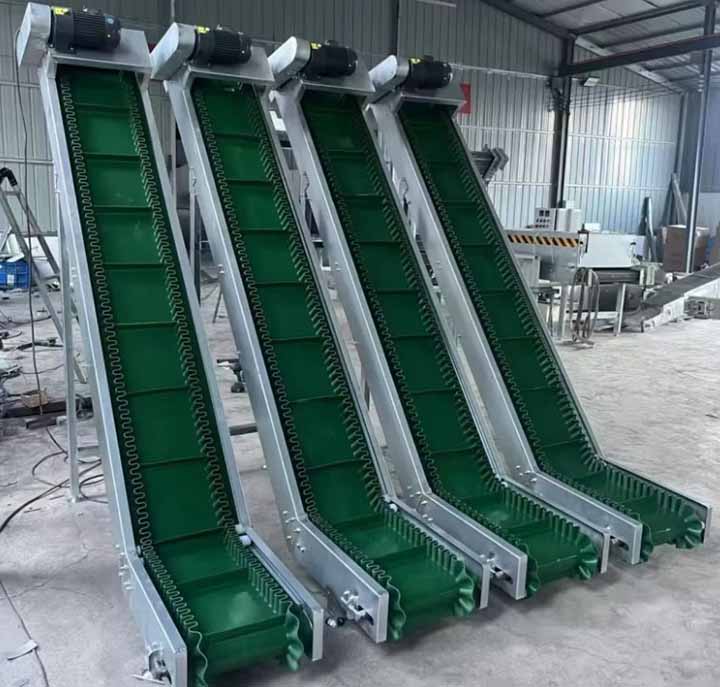
What are the benefits of oilseed belt conveyors?
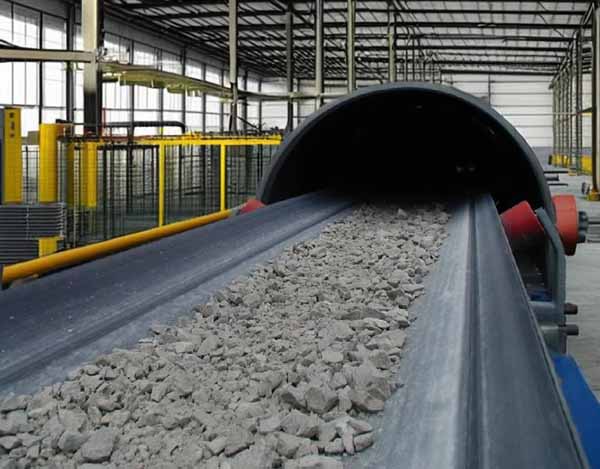
The benefits of using belt conveyors to transport oilseeds include controlling material breakage and preventing slippage. Spherical or granular oilseeds such as soybeans and rapeseed are easily physically damaged under the pressure of traditional screw conveyors, reducing the oil yield during subsequent pressing. Belt conveyors operate using a static lifting method, reducing friction between particles. With idler rollers featuring 35-degree or 45-degree grooves, deep pits are formed on the belt surface, controlling spherical seeds to roll to the sides. Furthermore, the fully enclosed casing prevents grease and dust from spreading outwards, reducing the risk of dust explosions within the workshop.
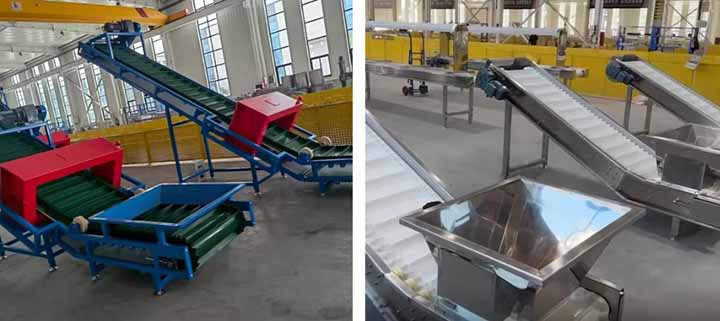
How to Choose an Oilseed Belt Conveyor Model?
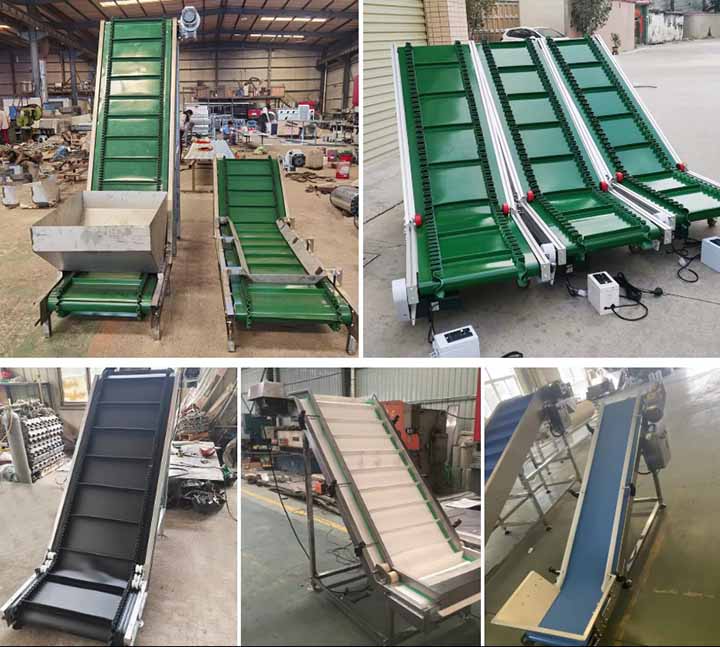
The choice of belt conveyor model should be based on production capacity and the actual space of the factory. First, consider production capacity: for needs below 30 tons per hour, a 500mm belt width and 1.2m/s speed are suitable; for production reaching 200 tons per hour, a 1000mm belt width and 2.0m/s speed configuration is required. Second, consider space limitations: if the factory has a short horizontal distance and elevation differences, the inclination angle needs to be calculated based on the space. Due to the rolling nature of oil, the inclination angle of a standard flat belt must be controlled within 15 degrees. If the workshop span is extremely limited and a large-angle lift is necessary, a corrugated skirted baffle belt conveyor should be selected, using transverse baffles to prevent seed backflow.
Parameter table
| Model | Belt Width (mm) | Capacity (t/h) | Belt Speed (m/s) | Power Range (kW) | Horizontal Conveying Angle (°) | Skirt & Baffle Lifting Angle (°) |
| OBC-500 | 500 | 10 - 45 | 0.8 - 1.25 | 2.2 - 5.5 | 0 - 15 | 15 - 60 |
| OBC-650 | 650 | 40 - 100 | 1.0 - 1.6 | 4.0 - 11 | 0 - 15 | 15 - 60 |
| OBC-800 | 800 | 80 - 180 | 1.25 - 2.0 | 7.5 - 22 | 0 - 12 | 15 - 45 |
| OBC-1000 | 1000 | 150 - 320 | 1.6 - 2.0 | 11 - 45 | 0 - 12 | 15 - 45 |
| OBC-1200 | 1200 | 260 - 500 | 1.6 - 2.5 | 15 - 75 | 0 - 10 | 15 - 30 |
Oilseed Belt Conveyor Structure
This machine consists of five main systems. The drive system includes an explosion-proof motor and a reducer, providing power to the entire machine. The conveying system comprises an oil-resistant belt, carrying idlers, and return idlers. The tensioning system typically uses a tail screw tensioner or a central counterweight tensioner to maintain appropriate belt tension. The cleaning system is equipped with a high-polymer polyurethane scraper at the unloading end to remove residual oil and debris from the belt surface. The safety protection system integrates an anti-deviation switch, a speed sensor, and a pull rope switch. If the belt slips due to oil contamination, the deviation switch will trigger an alarm and stop the machine.
How much does an oilseed belt conveyor cost?
The price of a single oilseed belt conveyor ranges from $2,750 to $12,500, with the specific cost constrained by multiple technical factors. The primary influencing factors are the conveying distance and belt width; the amount of steel used and the belt length directly determine the material cost. Due to the strict fire prevention requirements of grain dust environments, the cost of explosion-proof motors is higher than that of ordinary standard motors. Furthermore, the material properties lead to differences in material composition. Using NBR belts, which are resistant to vegetable oil swelling, results in a price per meter approximately 30% higher than ordinary rubber belts. The inclusion or exclusion of fully enclosed dust covers, cleaners, and automated control sensor systems also affects the overall budget.
Application Cases
In a soybean crushing plant in South America with a daily processing capacity of 1200 tons, the previous use of traditional uncovered conveyors frequently resulted in dust storms and belt swelling upon contact with oil, requiring replacement every four months on average. Afterwards, a horizontal enclosed conveyor with a bandwidth of 800 mm and a length of 85 meters was installed to connect the silos to the cleaning workshop. To date, the belt has not swelled or deformed. Another case is a rapeseed oil production line in China. This project utilizes a 42-meter-long, 12-degree inclined trough belt conveyor to lift rapeseed to the feed inlet above the crusher, achieving a stable conveying capacity of 60 tons per hour, solving the problem of localized shell breakage that occurred with the previous auger conveyor system.
Frequently Asked Questions
Q: How to deal with belt slippage after getting oil on it?
A: This is due to reduced surface friction. Besides adjusting the tensioning device, a herringbone-patterned rubber coating should be installed on the drive roller surface, and the tail scraper cleaner should be checked for replacement to keep the inside of the belt dry.
Q: How to solve the problem of rapeseed rolling backwards during conveying?
A: The inclination angle of the flat belt conveyor for rapeseed should not exceed 12 degrees. If the angle must be increased due to space constraints, the ordinary belt should be replaced with a non-slip belt with a special pattern or V-shaped herringbone stripes.
Q: What is the daily maintenance cycle for the equipment?
A: The wear condition of the scraper cleaner should be checked every shift; the oil sludge on the rollers and idlers should be cleaned weekly; and the bearing components should be lubricated with high-temperature grease every six months.
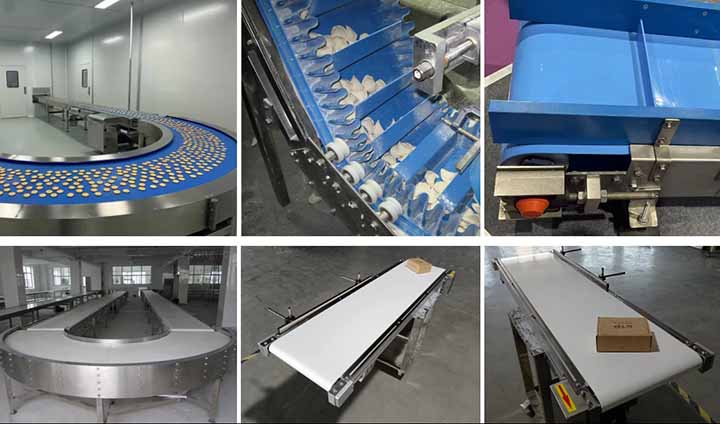
The oilseed belt conveyor is an industrial machine designed for conveying high-oil-content, easily rolling materials. By rationally configuring the oil-resistant belt, deep-grooved idlers, and explosion-proof power components, it can balance the relationship between conveying capacity and seed protection. When planning a production line, you only need to provide the types of materials, hourly output requirements, horizontal distance of the factory, and height difference data, and the technicians can complete the overall structure design and quotation calculation based on this.