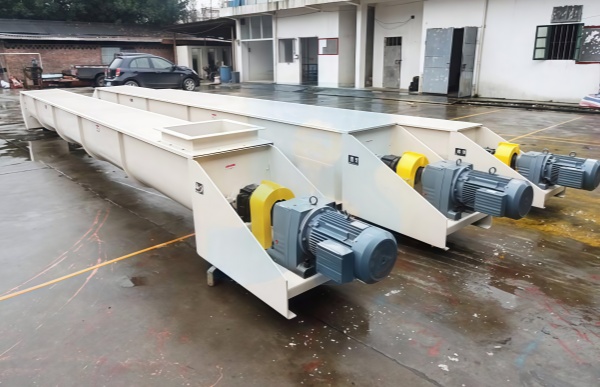
Heavy Duty Mining Screw Conveyor: Wear-Resistant Design & Specs
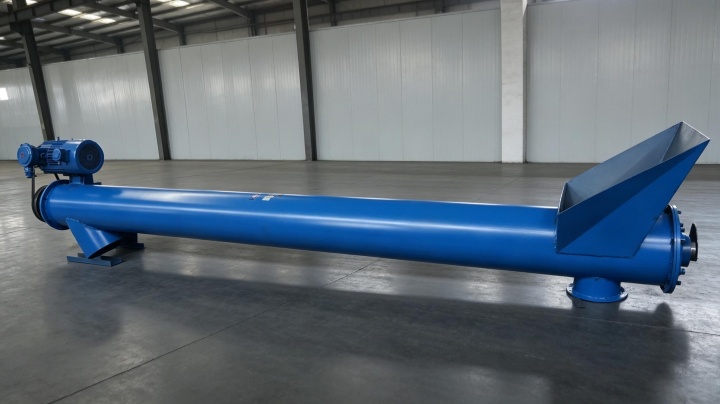
A Heavy Duty Mining Screw Conveyor is a mechanical conveying equipment that pushes lump and powder mineral materials through the rotation of screw flights. The unit handles high-density ores with bulk densities ranging from 1.5 t/m³ to 3.0 t/m³, operating continuously under harsh conditions characterized by high abrasiveness and heavy dust. Its fully enclosed trough structure isolates the internal process from the outside environment, preventing dust emissions from spreading while blocking rainwater from entering.
Handling Capacity: 10 t/h - 120 t/h
Trough Thickness: 8 mm - 16 mm (Hardox / Carbon Steel)
Max Material Density: 3.0 t/m³
Operating Incline: 0° - 35°
Motor Power Rating: 7.5 kW - 45 kW
Mining Screw Conveyor vs. Mining Conveyor Belt
When planning a mine site conveyor, it is essential to distinguish the operational scope between screw equipment and belt equipment. Common types of mining conveyor belt systems are suitable for long-distance open-pit ore dry material transport spanning hundreds or thousands of meters, occupying a larger footprint. However, inside underground tunnels, at plant transfer nodes, or in space-constrained dry/wet material processing sections, fully enclosed heavy-duty screw units can replace open-style mining conveyor systems. A heavy-duty screw conveyor operates directly at steep incline angles up to 30° to elevate high-concentration tailings, eliminating belt tearing, material slippage, and spillage issues while curbing dust dispersion.
Key Features & Heavy-Duty Wear-Resistant Design
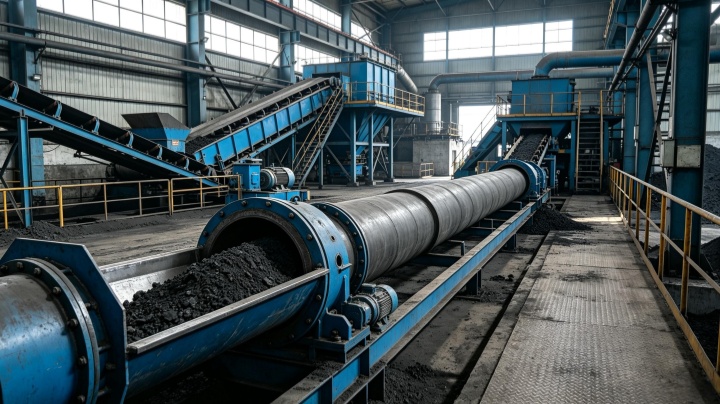
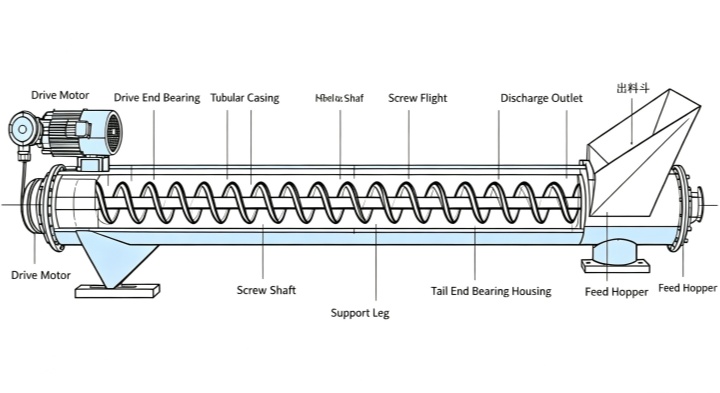
The trough and flights of the equipment are fabricated from Hardox 400 or AR400 wear-resistant steel plates, with a 3 mm thick high-chromium alloy wear layer hard-faced onto the flight edges. The solid screw shaft utilizes a seamless heavy-wall alloy steel pipe, boosting torque load capacity above 15,000 N·m. The drive-end bearing pedestal maintains a 100 mm suspended isolation gap from the trough end plate, fitted with three packing seals and air purge devices in between to prevent hard mineral powder from wearing down the bearings. The gearbox incorporates an overload protection clutch that cuts off power within 0.1 seconds upon encountering blockage from large ore lumps.
Technical Specifications & Operating Parameters
| Model | Screw Diameter (mm) | Trough Thickness (mm) | Max Capacity (t/h) | Motor Power (kW) | Screw Speed (RPM) |
| HMSC-300 | 300 | 8 | 15 - 25 | 7.5 - 11 | 25 - 45 |
| HMSC-400 | 400 | 10 | 30 - 55 | 15 - 22 | 20 - 40 |
| HMSC-500 | 500 | 12 | 60 - 85 | 22 - 30 | 15 - 35 |
| HMSC-600 | 600 | 16 | 90 - 120 | 37 - 45 | 10 - 25 |
Materials Handled & Mine Site Applications
The equipment is applied to the conveyance of iron ore concentrate, copper tailings slag, gold ore filter cake, crushed limestone, and dry/wet coal sludge. In coal mine conveyor projects, the equipment is installed beneath coal washery filter presses to transfer wet coal sludge with a 25% moisture content straight into the dryer feed inlet. In flotation plants for metallic mines, it serves to elevate dewatered heavy mineral slurries to smelting hoppers, maintaining a steady, continuous feeding pace. Across various mining conveyor systems, this machine acts as a sealed transfer and volumetric feeding connection node.
How to Select the Right Heavy Duty Mining Screw Conveyor
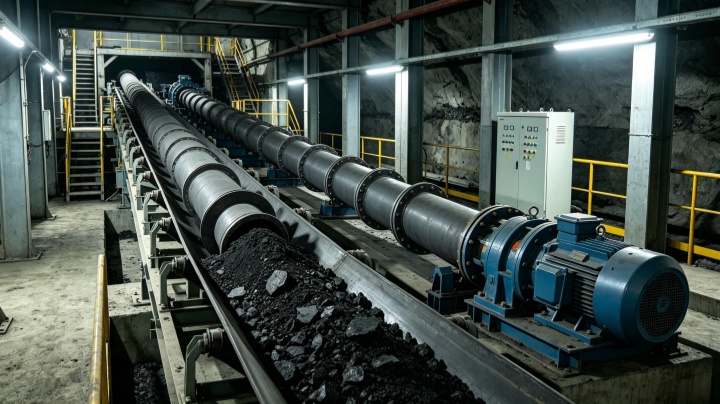
The selection process requires measuring three physical indicators: material Mohs hardness, bulk density, and moisture content. For iron ores with a Mohs hardness greater than 6, replaceable liners (such as UHMW-PE or high-chromium cast iron plates) must be fitted inside the trough. Power calculation requires applying a safety margin factor of 1.3 to 1.5 to cope with sudden material jams and full-load restart conditions. When evaluating total cost of ownership between new and used equipment on the market under a tight procurement budget, custom-built new units deliver more reliable wear-component lifespan and continuous uptime performance.
Engineering Selection & Custom Solution
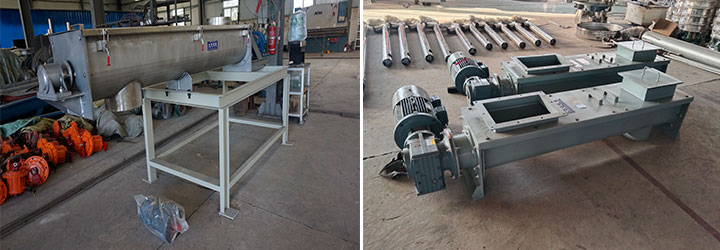
Every mining operation has different conveying conditions, so equipment dimensions are determined after reviewing material properties, conveying distance, installation angle, feeding method, and daily output. Engineers calculate screw diameter, flight pitch, drive power, trough thickness, and wear liner configuration according to project requirements. Layout drawings can be prepared to match available installation space, while inlet and outlet positions are adjusted for existing processing lines. Optional components, including replaceable liners, inspection covers, variable-speed drives, and different sealing arrangements, are selected according to operating conditions. Before production begins, all technical specifications and drawings are confirmed with the customer to reduce modification during installation and support stable long-term operation.
Frequently Asked Questions
How to prevent wear on a heavy duty mining screw conveyor?
Screw flight edges should be hard-faced with a chromium carbide wear layer, and removable AR400 wear liners should be installed inside the trough. Reducing screw speed below 35 RPM and increasing trough loading efficiency to 30%-40% reduces frequent particle impacts against the walls.
What is the maximum incline angle for a mining screw conveyor?
The incline angle for heavy-duty mining screw units is typically kept within 35°. When exceeding 20°, short-pitch flights (pitch equal to 0.7 times the diameter) must be used, accompanied by higher motor power to offset back-slippage resistance.
Can a heavy duty screw conveyor handle wet mine tailings or sludge?
Yes. When processing wet tailings or sludge with 15%-35% moisture content, a shaftless screw design or a single-flight large-pitch structure should be adopted to prevent material buildup and wrapping around a center shaft. A vibration arch breaker should be fitted at the inlet.
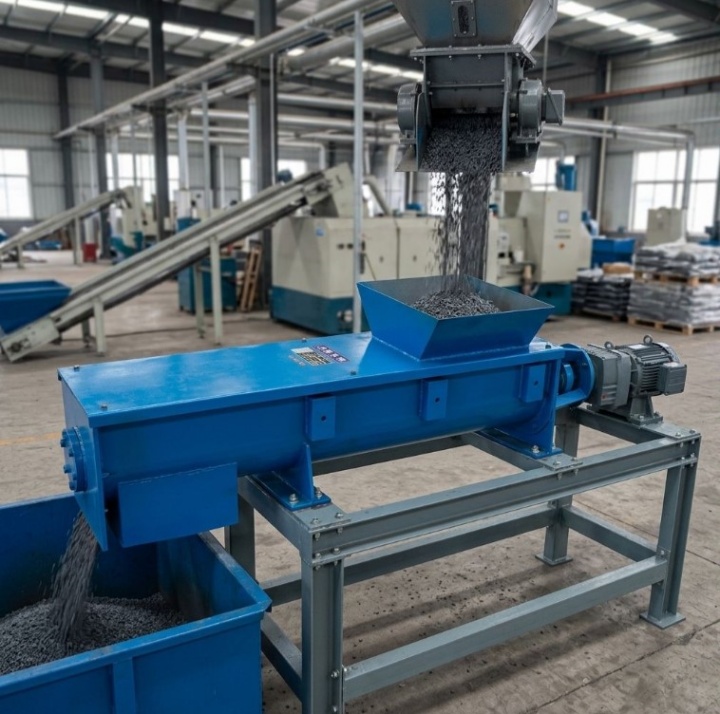
The Heavy Duty Mining Screw Conveyor relies on thick wear-resistant steel plates and isolated bearing structures to address the sealed conveyance of high-density, highly abrasive mine materials. Proper matching of screw diameter and rotation speed, combined with liner wear-resistant engineering, mitigates erosion losses caused by hard minerals. Selecting customized configurations based on operating parameters enhances continuous run cycles and operational stability in mine material transfer processes.
Sugested Products
Portable Auger Conveyor with Hopper | Mobile Bulk Feeder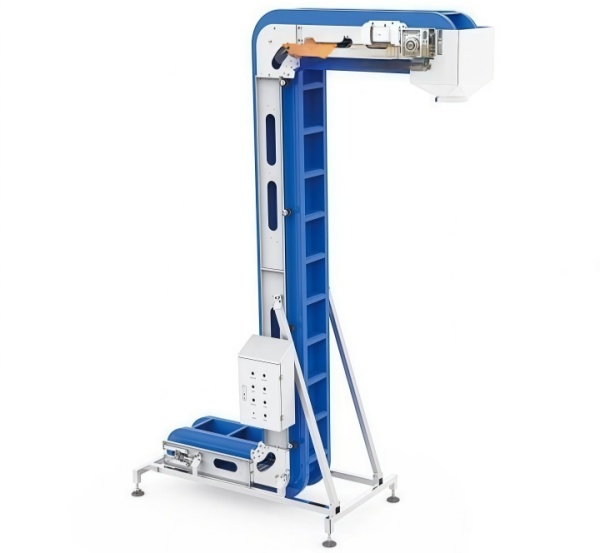
Vertical Belt Conveyor System | 90° Space-Saving Lifting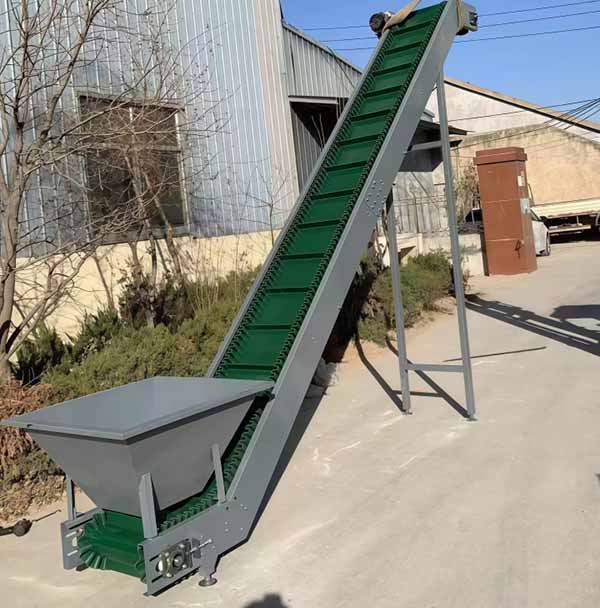
Steep Incline Conveyor System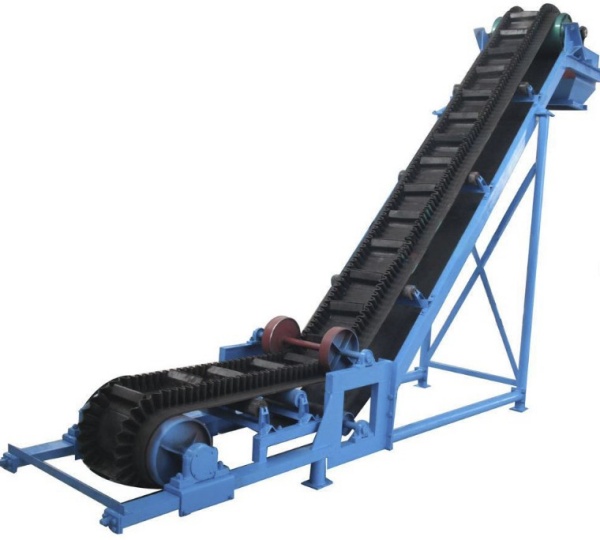
Corrugated Sidewall Belt Conveyor for Aggregate | Heavy-Duty Incline