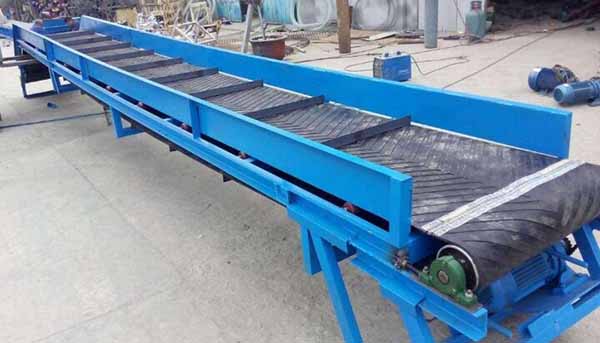
Gypsum belt conveyor
- Conveying Capacity: 30–800 t/h
- Belt Width: 650–1400 mm
- Common Belt Speed: 0.8–2.0 m/s
- Max Inclination Angle: < ≤15°–18° (up to 30°–90° for corrugated sidewall models)
- Drive Power Range: 4–132 kW
Gypsum belt conveyors are used to transport natural gypsum and synthetic desulfurized gypsum byproducts between processing stations. They continuously move materials via horizontal or inclined paths, with hourly throughput ranging from 30 tons in small gypsum plants to up to 800 tons in large power plant desulfurization or mining operations. The system operates at speeds between 0.8 and 2.0 meters per second, preventing material backflow while maintaining a stable feed rate.
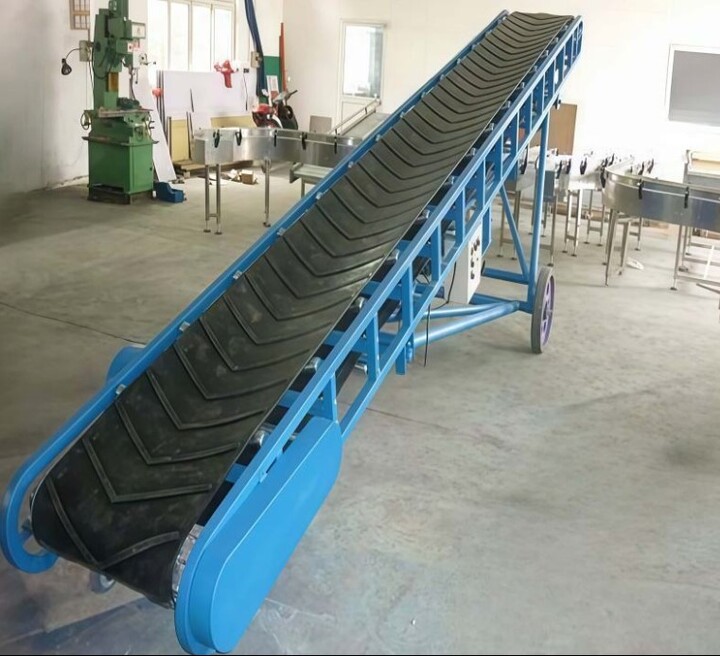
Engineered for Every Stage of the Gypsum Board Process
Gypsum belt conveyor systems support the material flow from raw material mining to finished board production. In the initial stage, large gypsum ore conveying systems transfer large gypsum ore blocks from the crushing station to storage stockpiles. As the material enters the calcination stage, the gypsum ore conveyor belt feeds the raw stone into the mill and calcination kiln, during which the material's moisture content changes. In the final gypsum board process, the gypsum ore belt system delivers processed synthetic gypsum powder to the mixing station, providing a continuous supply of raw materials for the board forming line.
Types of Gypsum Belt Conveyors
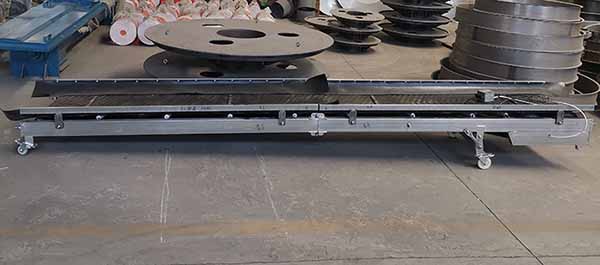
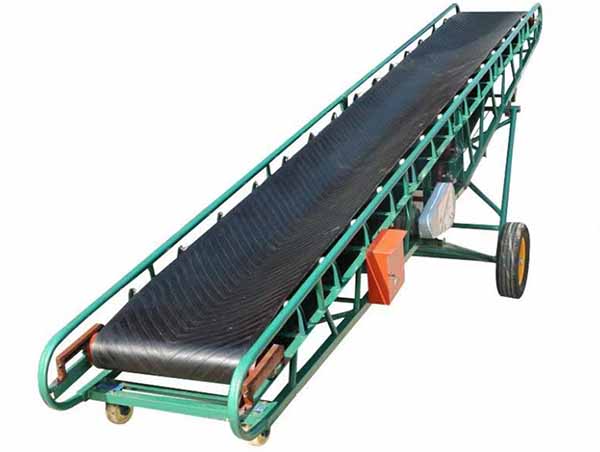
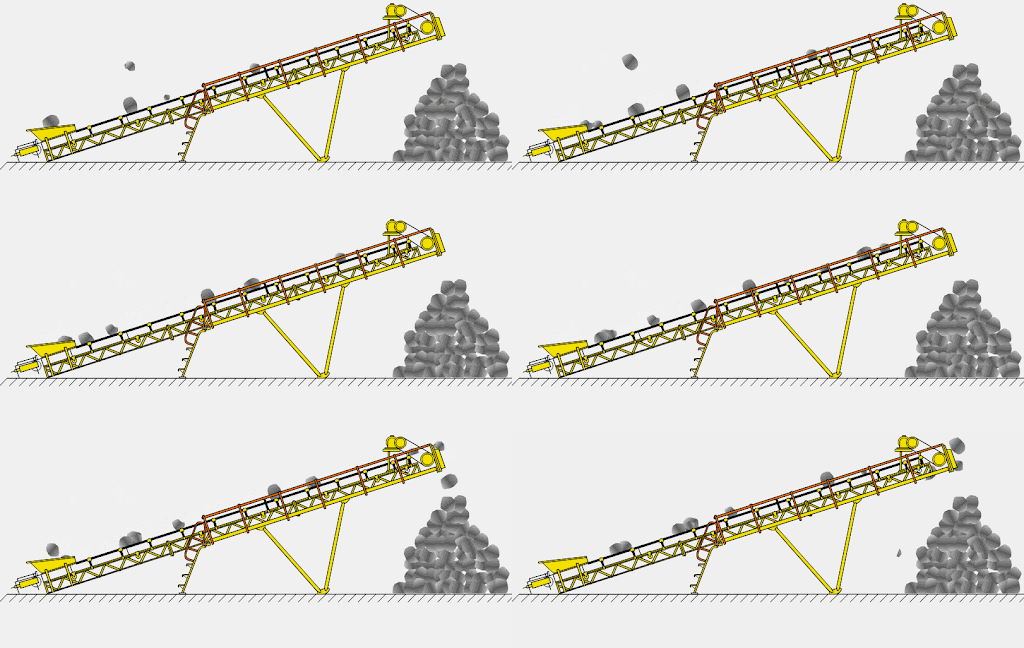
Gypsum conveyor belt systems are commonly categorized into three types: trough rubber belt conveyors, enclosed belt conveyors with dust covers, and steeply inclined corrugated sidewall belt conveyors. The choice depends on the shape of the gypsum being conveyed.
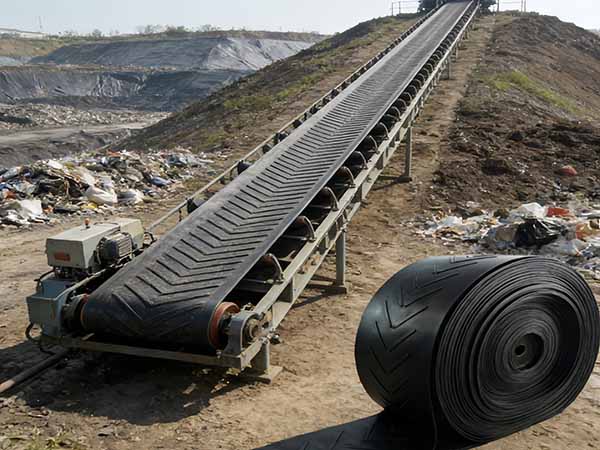
Trough Rubber Belt Conveyor: Utilizes a 35-degree or 45-degree three-roller idler design for transporting heavy, blocky natural gypsum ore. The deep trough shape accommodates large stones, preventing them from bouncing off the belt edges during high-tonnage mining transport.
Enclosed Belt Conveyor with Dust Cover: Equipped with a steel or polycarbonate cover on the belt frame for handling dry calcined gypsum powder. This structure seals the conveyor line, preventing fine gypsum dust from spreading into the plant area and preventing ambient humidity from entering the dry powder.
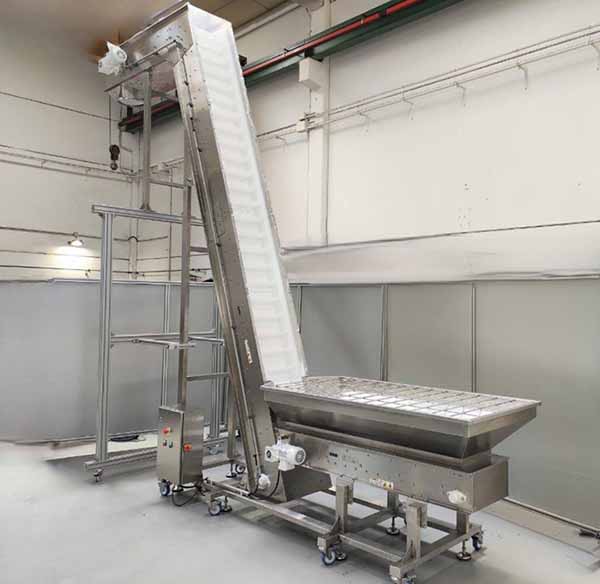
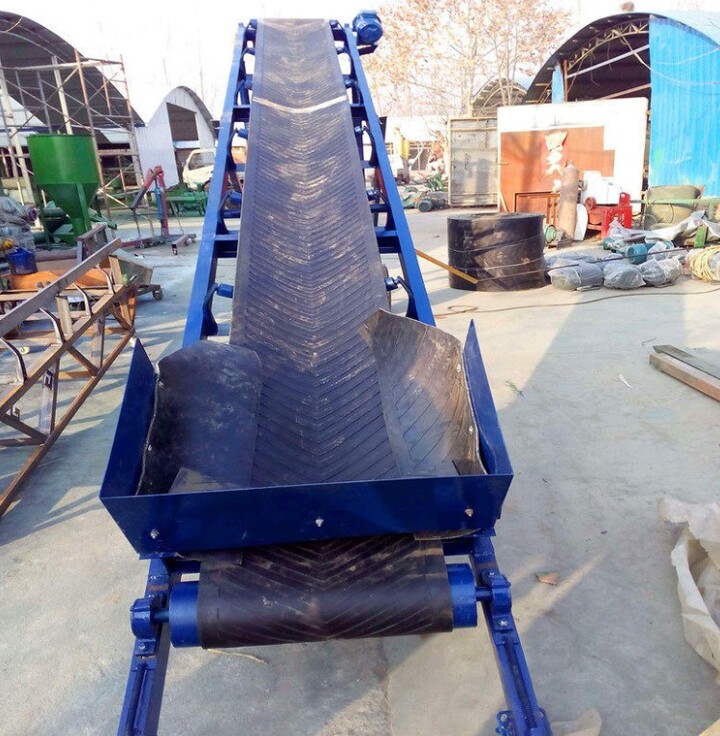
High-Angle Corrugated Sidewall Belt Conveyor: This conveyor features corrugated rubber edges and horizontal crossbars on its belt surface, used to convey wet desulfurized gypsum with a moisture content of 10% to 15% upwards at steep angles of 30 to 90 degrees. This design allows for the lifting of viscous chemical gypsum within compact plant layouts and prevents material from sliding backwards.
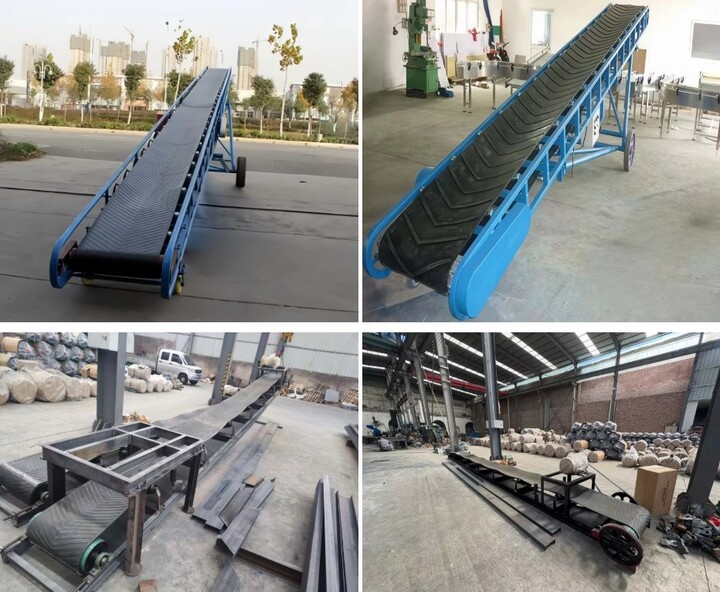
Model Parameter Table
| Equipment Model | Belt Width (mm) | Conveying Capacity Range (t/h) | Common Belt Speed (m/s) | Max Inclination Angle (°) | Drive Power Range (kW) | Applicable Material & Application |
| B650 | 650 | 30∼100 | 0.8∼1.6 | ≤18° | 4∼15 | Small Gypsum Board Plants, Transfer Powder Materials |
| B800 | 800 | 80∼220 | 1.0∼1.6 | ≤18° | 5.5∼30 | Natural Gypsum Ore, Calcined Gypsum Powder |
| B1000 | 1000 | 150∼400 | 1.2∼2.0 | ≤16° | 11∼55 | Medium-sized Power Plant Desulfurized Gypsum, Gypsum Mines |
| B1200 | 1200 | 300∼600 | 1.2∼2.0 | ≤16° | 18.5∼90 | Phosphogypsum from Large Fertilizer Plants, Large Power Plants |
| B1400 | 1400 | 500∼800 | 1.6∼2.0 | ≤15° | 30∼132 | Heavy Mining Operations, Large Container Terminals & Ports |
Benefits of Belt Conveyor for Gypsum Transportation
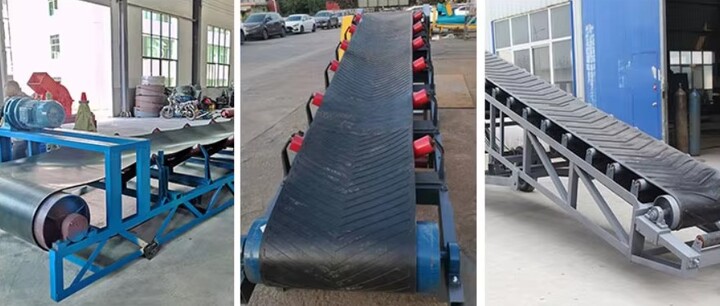
This conveying system is suitable for the physical properties of both natural and synthetic gypsum. Synthetic desulfurized gypsum contains 10% to 15% surface water, which accumulates on the rubber surface. The belt conveyor system uses polyurethane scrapers on the head rollers and return plow-type scrapers on the tail rollers to remove gypsum slurry adhering to the belt. For desulfurized gypsum containing corrosive chloride ions, the receiving hopper and discharge chute are lined with 304 stainless steel to resist surface pitting. To cope with the abrasiveness of natural gypsum ore, the belt incorporates a high-tensile polyester fabric layer (EP rubber) with a 4 mm thick top cover rubber to resist cutting from sharp ore edges.
Gypsum Conveying Solutions
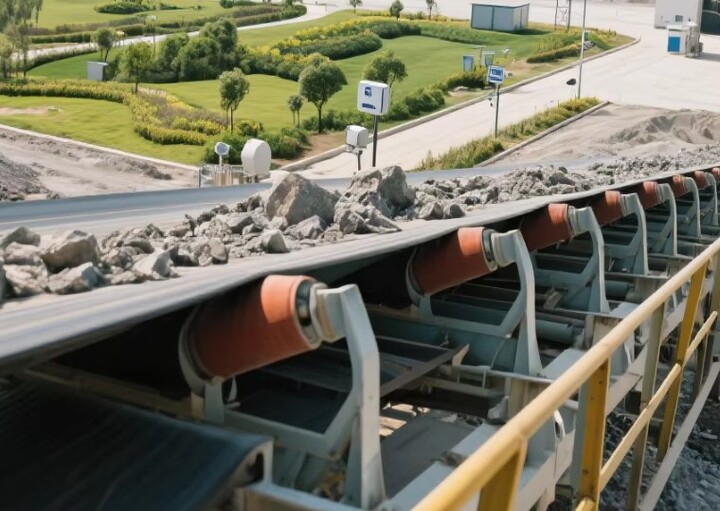
A complete layout combines a heavy-duty belt conveyor with auxiliary feeding equipment to manage gypsum transfers. While the main gypsum belt conveyor handles long-distance bulk transport across the plant area, the system integrates a horizontal shaftless screw conveyor at the belt's discharge chute. The viscous desulfurized gypsum falls from the belt rollers into the screw chute, where rotating steel screw blades push the viscous slurry directly into the calcining kiln or storage silo. This belt-screw combination prevents blockages at the discharge point and keeps the transfer area sealed to prevent dust leakage.
How Much Does a Gypsum Belt Conveyor Cost?
Gypsum belt conveyor prices range from $2,950 to $28,500 per unit, depending on manufacturing requirements and the specific design options chosen. Firstly, there's the issue of belt width and length. A 650mm wide belt used in low-volume gypsum workshops is significantly cheaper than a 1400mm wide belt specifically designed for power plant desulfurization systems. Secondly, there's the material selection. Upgrading the receiving chute from carbon steel to 304 stainless steel or ultra-high molecular weight polyethylene lining to prevent sticky gypsum adhesion increases the base price. Finally, there's the level of enclosure. Adding a full-length steel dust cover to protect the calcined gypsum powder, compared to an open frame structure, increases component costs.
Gypsum Conveyor Manufacturer
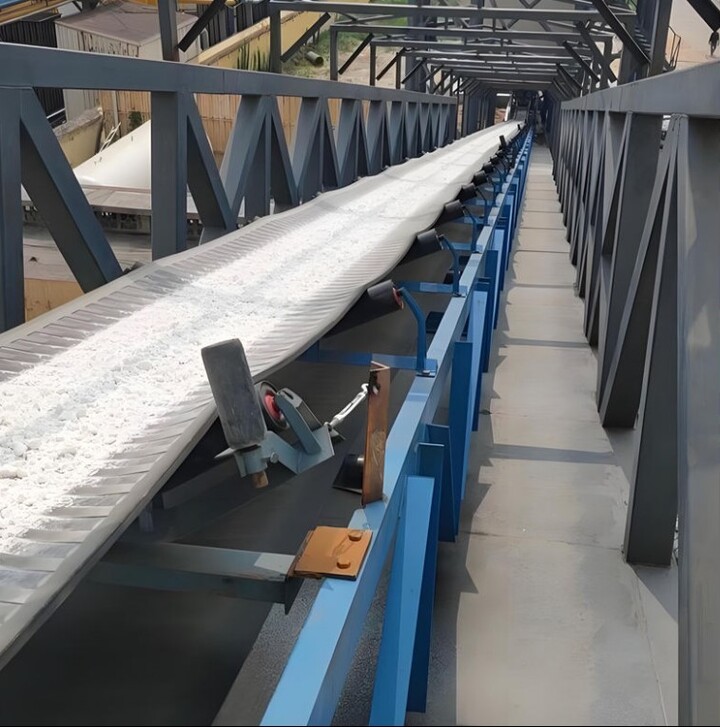
As an industrial machinery manufacturer, Dahan Machinery provides customized gypsum belt conveyor systems to meet factory layout requirements. The production workshop uses steel profiles to construct the conveyor frames, and the idler spacing is balanced according to the specific gypsum bulk density (typically 1.2 to 1.6 tons per cubic meter). Engineers select the drive motor and reduction gearbox based on your calculated material load, path angle, and hourly conveying capacity to provide reliable machinery.
Gypsum belt conveyors solve the mechanical transport problems associated with viscous synthetic gypsum and abrasive natural stone. By matching the belt width, enclosure type, and stainless steel lining to the moisture and chemical properties of the material, this conveying system maintains stable operation of gypsum and board production lines. Target hourly output and material characteristics can be communicated to the company's engineering department to obtain dimensional layout drawings.